Domino’s New Personal Pizza Sparks Debate on Convenience Culture and Modern Success
Domino’s new customizable personal pizza highlights a growing societal trend toward hyper-convenience, raising questions about its impact on long-term success.
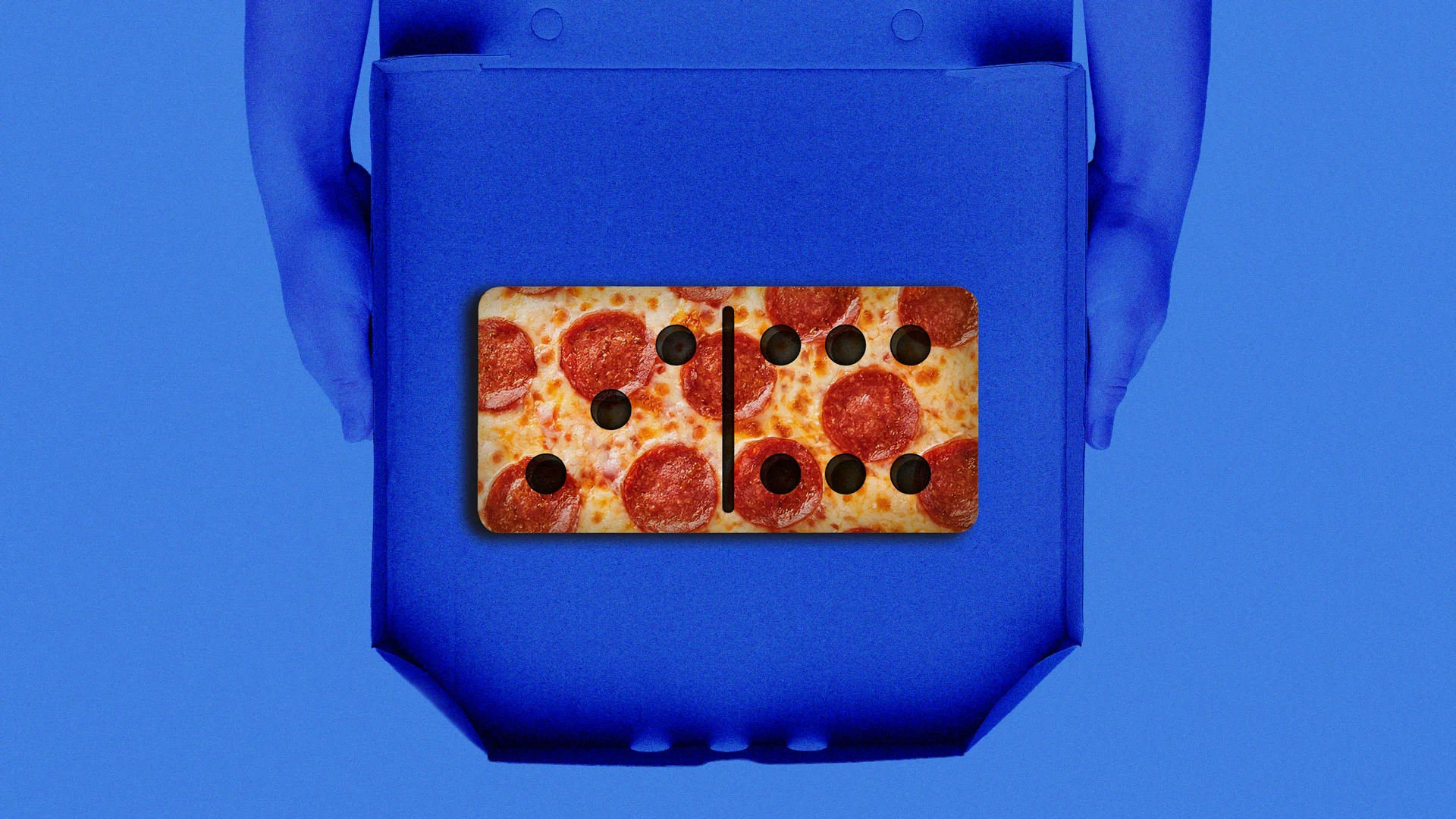
Source image: inc.com
inc.comIntroduction to the Modern Convenience Paradox
Domino’s has recently rolled out a new customizable personal pizza, designed to offer maximum convenience and tailored options for single-serving consumers. While marketed as a fun, flexible menu addition, commentators and analysts have pointed out that this product serves as a telling symbol of broader cultural shifts. The product epitomizes a society increasingly built around hyper-convenience, instant gratification, and solitary experiences.
What Happened: The Rise of Hyper-Personalization
The fast-food landscape has continually evolved toward tailoring products to individual preferences. Domino’s latest offering allows customers to craft a personal meal without the need for sharing or compromise. However, observers note that this emphasis on extreme customization mirrors a wider lifestyle trend where physical and social friction is systematically eliminated from daily routines.
Why It Matters for Entrepreneurs and Executives
For business leaders, innovators, and investors, understanding the psychological underpinnings of consumer trends is critical. Products optimized for isolation and immediate pleasure tap into powerful short-term market demands, but they also provoke questions about long-term sustainability and cultural impact. Key implications include:
- Shift in Consumer Behavior: Increasing preference for products that isolate rather than bring people together.
- Product Design Paradox: The challenge of balancing frictionless convenience with meaningful brand engagement.
- Cultural Backlash: Growing awareness among consumers regarding the mental health and productivity tolls of modern lifestyle trends.
Market Implications
The food service and tech sectors thrive on reducing friction. Yet, as cultural fatigue sets in regarding hyper-individualized digital and physical consumption, market dynamics may shift. Executives must evaluate whether leaning entirely into isolation-driven convenience aligns with evolving consumer values. While short-term sales may surge from novelty items, long-term brand loyalty often relies on fostering genuine human connection and shared experiences.
What Readers Should Watch
Investors and entrepreneurs should monitor several emerging indicators in the consumer goods space:
- Shifts in consumer spending toward community-oriented or collaborative products versus hyper-isolated goods.
- Regulatory and public discourse regarding the societal impacts of convenience-driven business models.
- Corporate strategies balancing technological efficiency with authentic human-centric value propositions.
For ongoing verification and detailed coverage of this trend, readers can review the original report at Inc.
Continue reading
Related coverage in Entrepreneurship
inc.com
Tate McRae Expands Into Fragrance and Beyond With Strategic Trademark Filing
Pop star Tate McRae is officially entering the fragrance industry, with comprehensive trademark filings pointing to a much broader brand expansion strategy ahead.
3 min read
inc.com
Oheka Castle Enters Bankruptcy Auction With Strict Event Obligations Through 2028
The iconic Long Island estate Oheka Castle is heading to a Chapter 11 bankruptcy auction, bringing its hotel operations, development rights, and booked events into play.
3 min read
inc.com
The Single Daily Question That Defines True Leadership Effectiveness
Discover how a simple daily self-reflection question can reveal more about your true leadership impact than any executive title or corporate ranking ever could.
2 min read
inc.com
Tesla Workplace Culture Put on Trial: What Employee Complaints Mean for Executive Leadership
Tesla's workplace culture faces severe scrutiny, highlighting a critical leadership test regarding psychological safety and how companies handle employee complaints.
2 min read