Dave’s Hot Chicken Franchisee Files for Chapter 11 Amid Rapid Chain Expansion
A Pennsylvania operator of Dave's Hot Chicken has filed for Chapter 11 bankruptcy following a federal lawsuit over debt obligations, highlighting pressures in fast-growing restaurant chains.
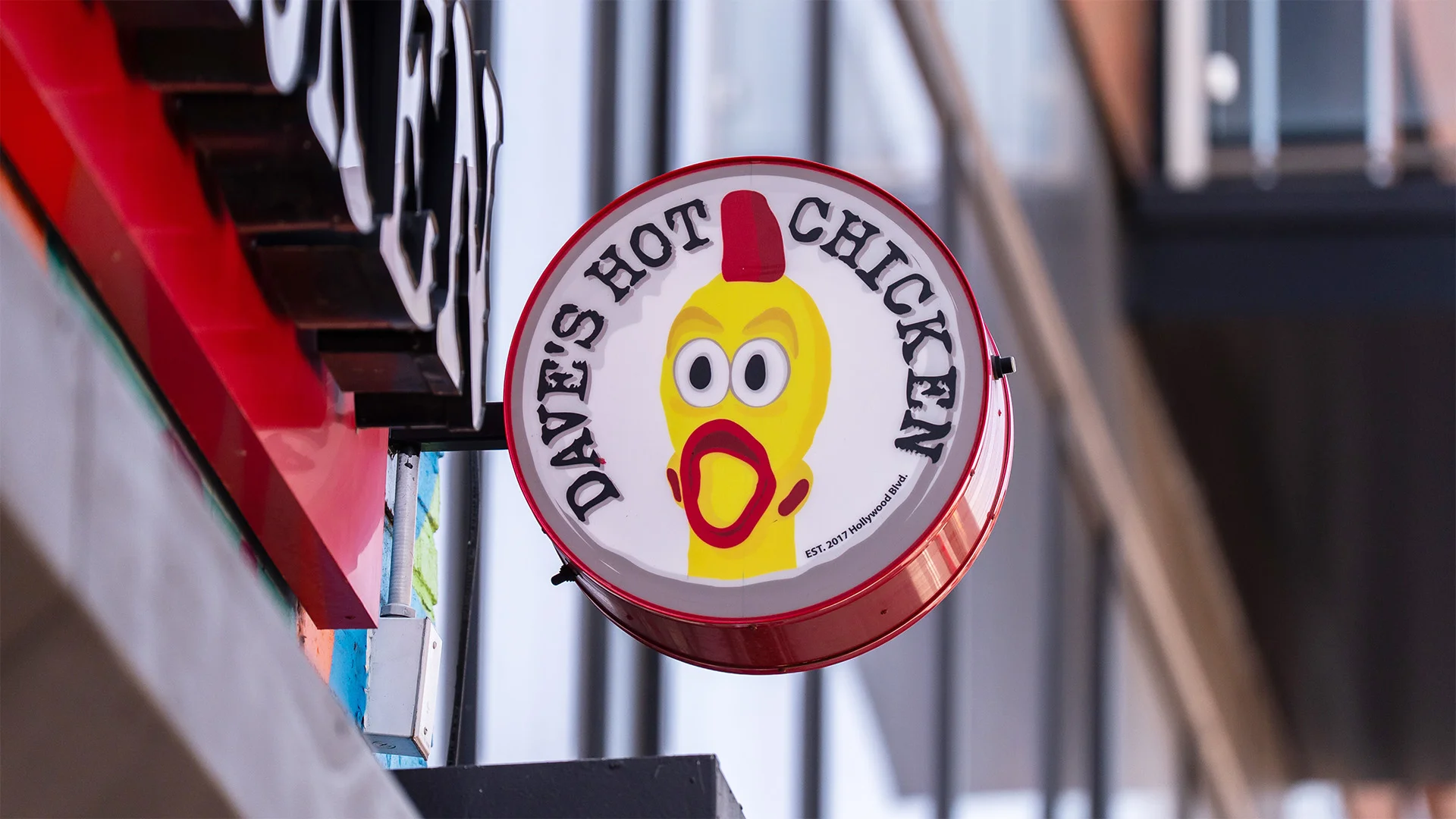
Source image: inc.com
inc.comUnderstanding the Chapter 11 Filing by TIG Reaper LLC
The fast-casual restaurant landscape has received a stark reminder of the financial tightrope franchisees walk, even when backed by high-growth national brands. TIG Reaper LLC, an independent operator managing Dave's Hot Chicken restaurants in Philadelphia and Willow Grove, officially filed for Chapter 11 bankruptcy protection in the U.S. Bankruptcy Court for the Eastern District of Pennsylvania. The petition lists assets and liabilities ranging between $10 million and $50 million.
This legal restructuring move followed closely on the heels of a federal lawsuit filed by Bank Midwest—a division of NBH Bank—which alleged that the franchisee failed to satisfy specific debt obligations. By filing for Chapter 11, TIG Reaper triggered an automatic stay, which temporarily halts ongoing litigation and gives the business breathing room to restructure its financial obligations while keeping its physical storefronts operational.
Corporate Distance and Brand Protection
As news of the bankruptcy spread, representatives for Dave's Hot Chicken were quick to draw a firm boundary between corporate operations and the distressed franchisee. Corporate leadership emphasized that the filing is strictly an isolated financial matter concerning TIG Reaper and its respective lender.
The broader Dave's Hot Chicken system—which boasts over 300 locations nationwide and was acquired by Roark Capital for $1 billion—remains entirely unaffected by the local bankruptcy proceeding. Affected restaurants continue to serve customers as usual, with corporate management maintaining core brand standards and supporting continuous system-wide expansion.
Broader Market Implications for Franchisees and Investors
For entrepreneurs, investors, and industry executives, this development underscores the systemic vulnerabilities facing multi-unit franchise operators. Rapid expansion strategies, while lucrative when consumer demand peaks, often require heavy leveraging and debt financing that leave little margin for error if local foot traffic softens or unexpected economic hurdles arise.
- Aggressive Scaling Risks: Rapid unit development can stretch operational cash flow thin before individual locations achieve mature, stable profitability.
- Debt and Litigation Pressures: Rising interest rates and strict credit terms make debt service challenging for operators facing localized market headwinds.
- Emerging Market Saturation: Industry experts note that hyper-growth segments like hot chicken face intense copycat competition, which can flatten sales and traffic over multi-year horizons.
Foodservice analysts point out that the hot chicken craze still commands strong consumer interest, but market crowding naturally leads to localized saturation. As major chains push ambitious footprint targets, individual franchisees must carefully balance aggressive expansion with rigorous capital management to avoid overextending their balance sheets.
What Executives and Entrepreneurs Should Watch Next
For stakeholders monitoring the retail and restaurant sectors, the TIG Reaper bankruptcy serves as an important case study in franchise risk management. Observers will be tracking how the bankruptcy court handles the restructuring plan, whether lender negotiations result in asset sales or debt restructuring, and how corporate franchisors adjust their vetting and financial health checks for regional operators.
Ultimately, strong brand equity and a high-profile corporate parent cannot entirely insulate independent operators from local credit stress and localized operational missteps. To read more about this developing story, visit the original coverage at Inc.
Continue reading
Related coverage in Entrepreneurship
inc.com
Tate McRae Expands Into Fragrance and Beyond With Strategic Trademark Filing
Pop star Tate McRae is officially entering the fragrance industry, with comprehensive trademark filings pointing to a much broader brand expansion strategy ahead.
3 min read
inc.com
Oheka Castle Enters Bankruptcy Auction With Strict Event Obligations Through 2028
The iconic Long Island estate Oheka Castle is heading to a Chapter 11 bankruptcy auction, bringing its hotel operations, development rights, and booked events into play.
3 min read
inc.com
The Single Daily Question That Defines True Leadership Effectiveness
Discover how a simple daily self-reflection question can reveal more about your true leadership impact than any executive title or corporate ranking ever could.
2 min read
inc.com
Tesla Workplace Culture Put on Trial: What Employee Complaints Mean for Executive Leadership
Tesla's workplace culture faces severe scrutiny, highlighting a critical leadership test regarding psychological safety and how companies handle employee complaints.
2 min read