California's Oldest Family Winery Files for Bankruptcy After Fateful Deal
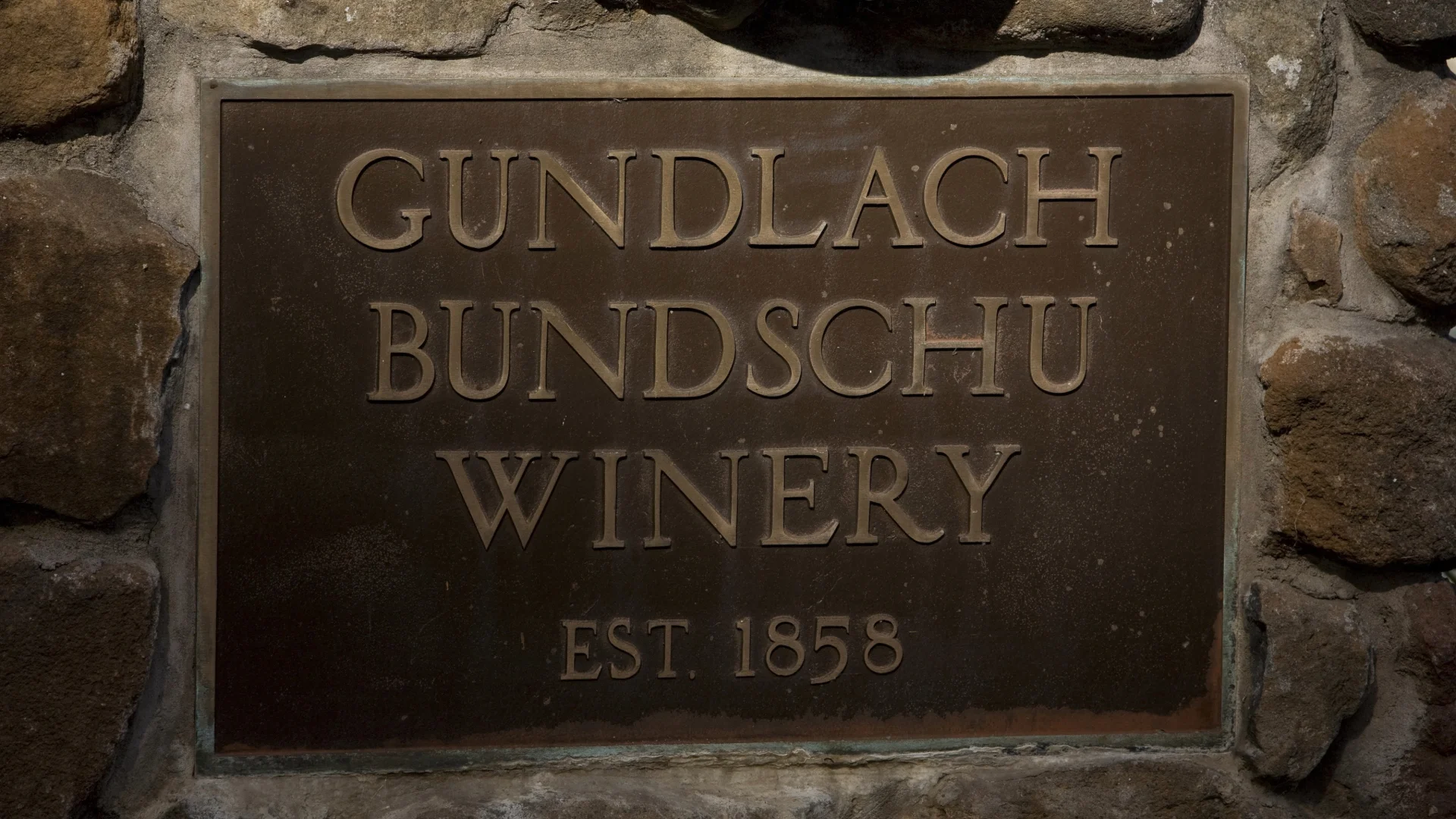
California's oldest family-owned winery, operating for six generations across 168 years, has filed for bankruptcy following a single strategic deal.
Source image: inc.com
inc.comIntroduction to a Historic Shockwave
In the high-stakes world of legacy agriculture and premium beverage production, longevity is rarely a guarantee of permanent immunity from financial distress. California's oldest family-owned winery, a cornerstone institution that successfully navigated 168 years of economic shifts, Prohibition, and changing consumer tastes, has officially filed for bankruptcy. The catalyst for this sudden financial downturn was not a slow generational decline, but rather a single strategic deal that destabilized the estate's balance sheet.
For six generations, the family maintained tight control over the winery's operations, assets, and brand heritage. However, modern expansion strategies and complex commercial agreements can introduce unprecedented volatility. According to family leadership, despite the legal and financial restructuring currently underway, the estate's winery and tasting room will remain open to the public, signaling a determined effort to protect the core operating business while resolving debt obligations.
What Happened: The Anatomy of a Deal Gone Wrong
While multi-generational enterprises often pride themselves on conservative capital management, competitive pressures frequently push legacy brands into high-risk transactions. In this case, a pivotal business agreement altered the financial trajectory of the 168-year-old estate. Whether the transaction involved an aggressive acquisition, a distribution overhaul, or a heavy debt-financed expansion, the resulting liabilities outpaced the winery's short-term liquidity.
When cash flows fail to service obligations tied to a major corporate deal, restructuring becomes an inevitable mechanism for survival. By utilizing Chapter 11 bankruptcy protections, the family-owned enterprise can temporarily stave off creditor enforcement while formulating a viable reorganization plan. Crucially, keeping the tasting rooms and production facilities open ensures that revenue generation continues, preserving brand equity and maintaining cash flow during a turbulent legal process.
Why It Matters for Executives and Investors
This development serves as a sobering case study for executive leadership and investors overseeing family-owned businesses and legacy enterprises. Key takeaways include:
- The Risk of Concentration: Relying on a single major transaction can expose a stable balance sheet to catastrophic tail risk if market conditions shift unexpectedly.
- Governance and Oversight: Multigenerational companies must maintain rigorous due diligence standards, ensuring that external deals align with core risk tolerances.
- Brand Continuity vs. Financial Restructuring: Separating the operational health of customer-facing assets—such as tasting rooms—from underlying debt burdens is vital for maintaining stakeholder confidence.
Broader Market Implications for the Wine Industry
The agricultural and wine sectors face mounting headwinds, including shifting consumer demographics, fluctuating supply chains, and rising operational costs. When an institution as historic as California's oldest family winery succumbs to financial distress, it highlights the severe margin pressures impacting independent producers. Investors are increasingly wary of capital-intensive legacy brands that fail to adapt swiftly to modern distribution models without overleveraging their physical assets.
Furthermore, this case may trigger increased caution among lenders financing multi-generational agricultural enterprises. Financial institutions will likely demand more stringent risk assessments and conservative leverage ratios when evaluating expansion deals for family-owned estates.
What Readers Should Watch
As this restructuring unfolds, executives and investors should monitor several key indicators:
- The Reorganization Plan: Observe whether the family retains complete equity control or if external investors and creditors acquire ownership stakes through the bankruptcy process.
- Operational Stability: Track the sustained performance of the winery and tasting rooms to see if consumer trust remains intact.
- Industry Consolidation: Watch for potential ripple effects, such as distressed asset sales or increased M&A activity among other historic wine estates facing similar margin pressures.
Continue reading
Related coverage in Leadership
inc.com
Tate McRae Enters the Fragrance Market with Broad Trademark Strategy
Singer Tate McRae is expanding into the fragrance industry with a trademark that extends well beyond perfume, signaling ambitious multi-category brand growth ahead.
2 min read
inc.com
Oheka Castle Heads to Bankruptcy Auction with Strict Terms for Prospective Buyers
Famed Long Island estate Oheka Castle prepares for a Chapter 11 bankruptcy auction, requiring its next buyer to honor booked events extending all the way into 2028.
3 min read
inc.com
Evaluating Leadership Effectiveness: The Daily Question That Matters More Than Your Title
Discover how a single daily self-reflection question can redefine your leadership effectiveness and outperform traditional titles in driving organizational success.
3 min read
inc.com
Tesla Workplace Culture Put to the Test as Employee Complaints Spark Broad Leadership Debate
Tesla's workplace culture faces severe scrutiny, highlighting a critical leadership test regarding psychological safety and how organizations respond to employee complaints.
2 min read