Caffeine's Extended Impact on Sleep: New Review Challenges Common Beliefs
A comprehensive review of 32 studies reveals that caffeine's disruptive effects on sleep last far longer than previously assumed, impacting daily performance.
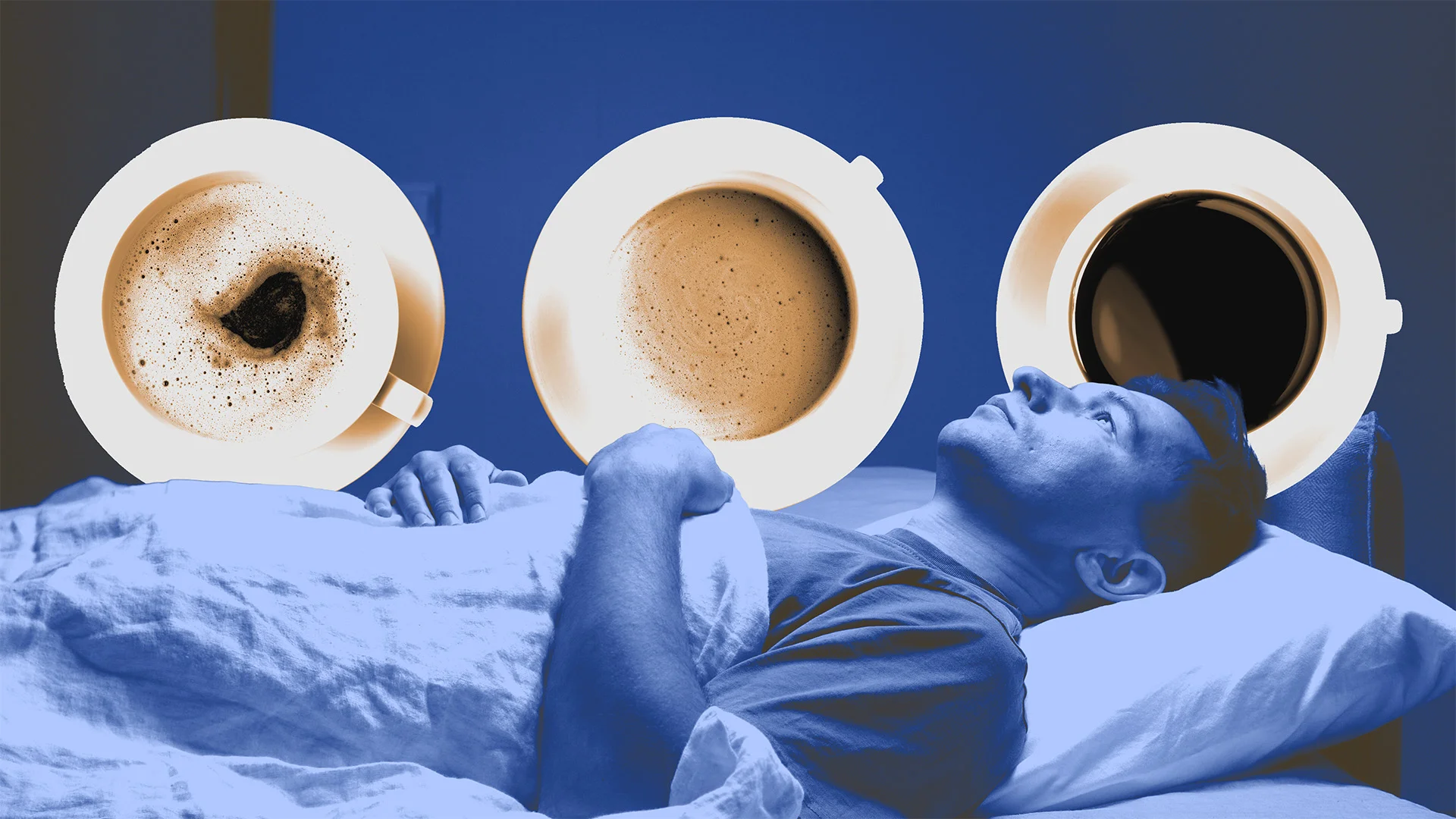
Source image: inc.com
inc.comOverview of the Recent Scientific Findings
A comprehensive academic review examining 32 distinct studies has shed new light on how caffeine interacts with human biology. While many individuals assume that consuming coffee or caffeinated beverages early in the day completely neutralizes any potential sleep disruption by bedtime, the data suggests otherwise. The findings indicate that the physiological footprint of caffeine persists significantly longer than conventional wisdom dictates.
For professionals, entrepreneurs, and leaders who routinely balance demanding schedules, the temptation to rely on stimulants to power through fatigue is high. However, this new synthesis of research suggests that even morning or early afternoon intake can subtly degrade the architecture of nighttime sleep, affecting both deep sleep phases and overall recovery.
Why This Matters for Executives and Entrepreneurs
In the high-stakes worlds of entrepreneurship and corporate leadership, optimal decision-making, emotional regulation, and strategic foresight depend heavily on cognitive stamina. Sleep is not a passive state of rest; it is an active biological necessity required for neurological maintenance and memory consolidation.
When caffeine lingers in the system, it often compromises sleep quality without the individual necessarily realizing they experienced a restless night. Over time, cumulative sleep debt can erode executive functioning, impair risk assessment, and lead to burnout. Recognizing that caffeine's half-life impacts evening rest provides leaders with an opportunity to recalibrate their daily routines for better biological efficiency.
Market Implications and Workplace Well-Being
The implications of this research extend beyond individual habits into broader market trends, particularly within the wellness, functional beverage, and corporate benefits sectors. As awareness grows regarding the true impact of stimulants on sleep health, consumer demand is shifting.
- Rise of Alternative Beverages: The market for decaffeinated options, adaptogenic drinks, and low-caffeine alternatives is experiencing steady growth as consumers seek sustained energy without sleep disruption.
- Corporate Wellness Evolution: Forward-thinking organizations are increasingly incorporating sleep hygiene education into executive coaching and corporate wellness programs.
- Productivity Tools: Innovations focused on circadian rhythm tracking and personalized nutrition are gaining traction among business leaders looking to optimize daily performance.
What Readers and Leaders Should Watch
As nutritional science continues to refine our understanding of stimulants and rest, investors and entrepreneurs should monitor several key developments in the marketplace:
- Further clinical studies evaluating the long-term cognitive costs of chronic, low-level sleep disruption caused by caffeine.
- Shifts in product development among major beverage corporations toward functional alternatives that support evening recovery.
- The integration of biometric sleep data into corporate leadership development and performance analytics.
Ultimately, navigating the balance between high-level productivity and biological health requires a data-driven approach. By acknowledging the extended timeline of caffeine's effects, professionals can make informed adjustments to protect their most valuable asset: cognitive clarity.
For further details on this research, read the original report at Inc.
Continue reading
Related coverage in Entrepreneurship
inc.com
Tate McRae Expands Into Fragrance and Beyond With Strategic Trademark Filing
Pop star Tate McRae is officially entering the fragrance industry, with comprehensive trademark filings pointing to a much broader brand expansion strategy ahead.
3 min read
inc.com
Oheka Castle Enters Bankruptcy Auction With Strict Event Obligations Through 2028
The iconic Long Island estate Oheka Castle is heading to a Chapter 11 bankruptcy auction, bringing its hotel operations, development rights, and booked events into play.
3 min read
inc.com
The Single Daily Question That Defines True Leadership Effectiveness
Discover how a simple daily self-reflection question can reveal more about your true leadership impact than any executive title or corporate ranking ever could.
2 min read
inc.com
Tesla Workplace Culture Put on Trial: What Employee Complaints Mean for Executive Leadership
Tesla's workplace culture faces severe scrutiny, highlighting a critical leadership test regarding psychological safety and how companies handle employee complaints.
2 min read