Bill Gates Warns AI Risks Mass Casualties, Stresses Cross-Sector Collaboration
Bill Gates warns that artificial intelligence carries severe existential risks, highlighting that self-regulation is insufficient and requiring broad cooperation.
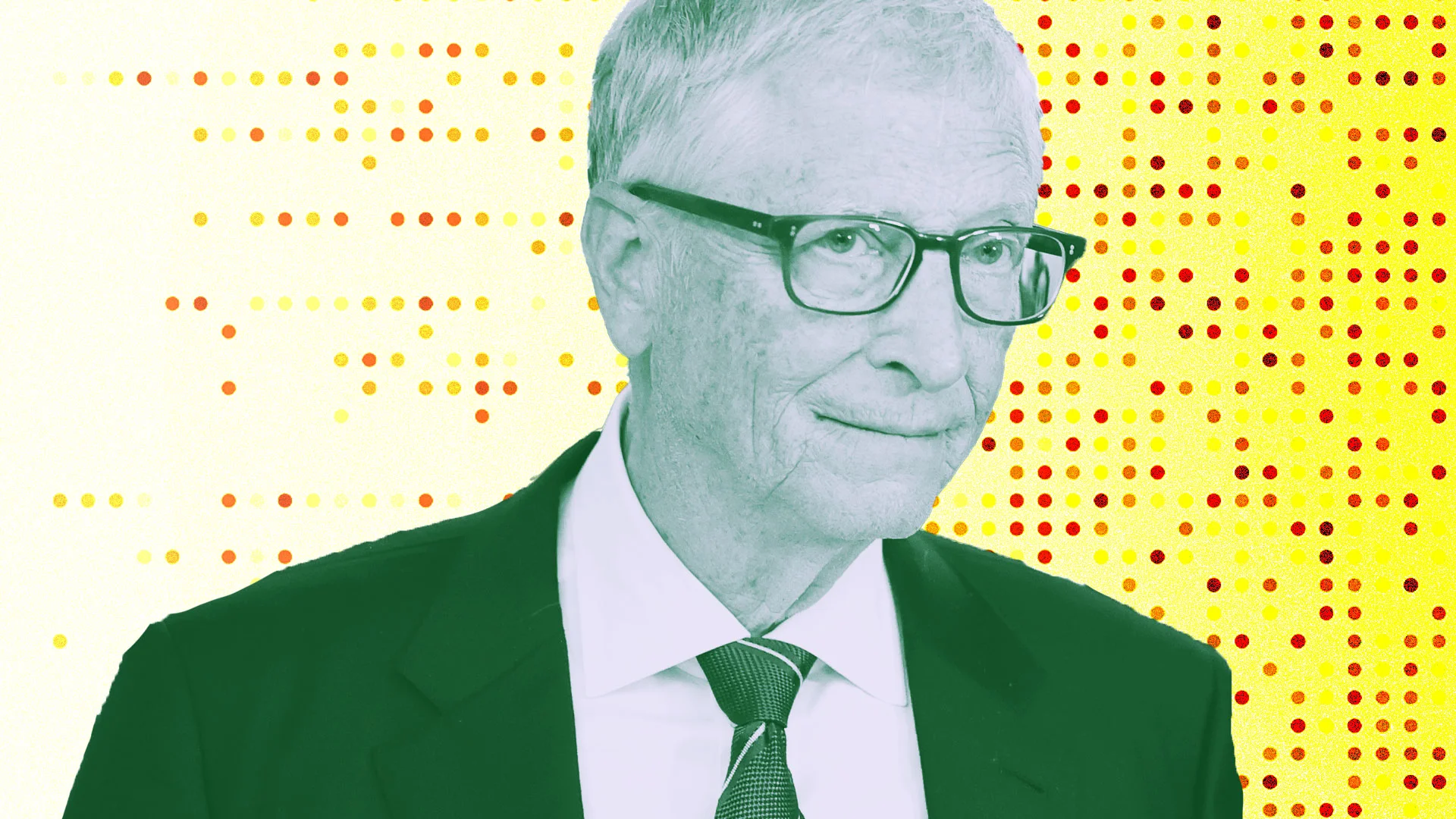
Source image: inc.com
inc.comBill Gates Issues Stark Warning on Artificial Intelligence Risks
In recent remarks regarding the rapid evolution of artificial intelligence, technology pioneer and philanthropist Bill Gates highlighted profound concerns about the potential existential threats posed by advanced AI systems. According to Gates, without rigorous oversight and proactive intervention, the technology carries risks so severe that they could theoretically lead to catastrophic outcomes, including mass casualties. This sobering assessment places a renewed spotlight on the urgent need for robust safety measures as artificial intelligence continues to integrate into critical economic and societal infrastructure.
A core element of Gates's warning is the inadequacy of current industry practices. He explicitly noted that 'no one thinks self-regulation is enough,' signaling a clear departure from relying solely on tech companies to police their own innovations. The fast-paced commercialization of artificial intelligence has often outpaced formal governance, creating a regulatory vacuum that concerns policymakers, industry leaders, and security experts alike.
The Necessity of Cross-Sector Collaboration
To effectively mitigate the risks outlined by Gates, isolated efforts within the technology sector will not suffice. Preventing catastrophic outcomes requires a unified front involving several key groups working in tandem:
- Governments and Policymakers: Establishing enforceable legal frameworks, safety standards, and international treaties to govern high-risk AI deployments.
- Technology Industry Leaders: Committing to transparency, ethical development practices, and cooperative safety research rather than purely race-driven commercialization.
- Academic and Scientific Communities: Providing independent, rigorous evaluations of AI capabilities, alignment challenges, and long-term systemic vulnerabilities.
- Civil Society and Ethics Experts: Ensuring that human-centric values, accountability, and public welfare remain central to the deployment of automated systems.
Market Implications for Investors and Entrepreneurs
For executives, investors, and entrepreneurs operating in the tech ecosystem, these developments carry significant strategic implications. As political pressure mounts for stricter oversight, the era of frictionless, unregulated AI expansion is facing a turning point. Market participants must factor in several emerging realities:
Compliance costs and regulatory hurdles are expected to rise significantly. Startups and established enterprises alike will need to allocate greater resources toward compliance, safety audits, and risk management. Companies that proactively integrate robust safety protocols into their product lifecycles will likely gain a competitive advantage, especially as institutional clients and government buyers demand higher standards of accountability.
Furthermore, capital allocation patterns may shift. Investors are increasingly examining governance structures and risk mitigation strategies alongside traditional metrics of growth and technological capability. Funding may increasingly flow toward specialized AI safety, alignment, and cybersecurity ventures.
What Readers Should Watch
As the discourse surrounding artificial intelligence governance evolves, stakeholders should monitor several critical indicators:
- Upcoming legislative proposals and regulatory frameworks from major global economies regarding advanced machine learning models.
- Industry-wide coalition announcements and formal partnerships between tech giants and academic safety institutions.
- Shifts in venture capital and institutional investment focus toward compliance-ready and safety-verified AI applications.
For more details on this development, read the original report on Inc.
Continue reading
Related coverage in Leadership
inc.com
Tate McRae Enters the Fragrance Market with Broad Trademark Strategy
Singer Tate McRae is expanding into the fragrance industry with a trademark that extends well beyond perfume, signaling ambitious multi-category brand growth ahead.
2 min read
inc.com
Oheka Castle Heads to Bankruptcy Auction with Strict Terms for Prospective Buyers
Famed Long Island estate Oheka Castle prepares for a Chapter 11 bankruptcy auction, requiring its next buyer to honor booked events extending all the way into 2028.
3 min read
inc.com
Evaluating Leadership Effectiveness: The Daily Question That Matters More Than Your Title
Discover how a single daily self-reflection question can redefine your leadership effectiveness and outperform traditional titles in driving organizational success.
3 min read
inc.com
Tesla Workplace Culture Put to the Test as Employee Complaints Spark Broad Leadership Debate
Tesla's workplace culture faces severe scrutiny, highlighting a critical leadership test regarding psychological safety and how organizations respond to employee complaints.
2 min read