Bill Gates Warns AI Risks Billion-Scale Threats, Emphasizing Collaborative Governance
Bill Gates warns that advanced artificial intelligence poses severe global risks, asserting that self-regulation is insufficient and requiring cross-sector cooperation.
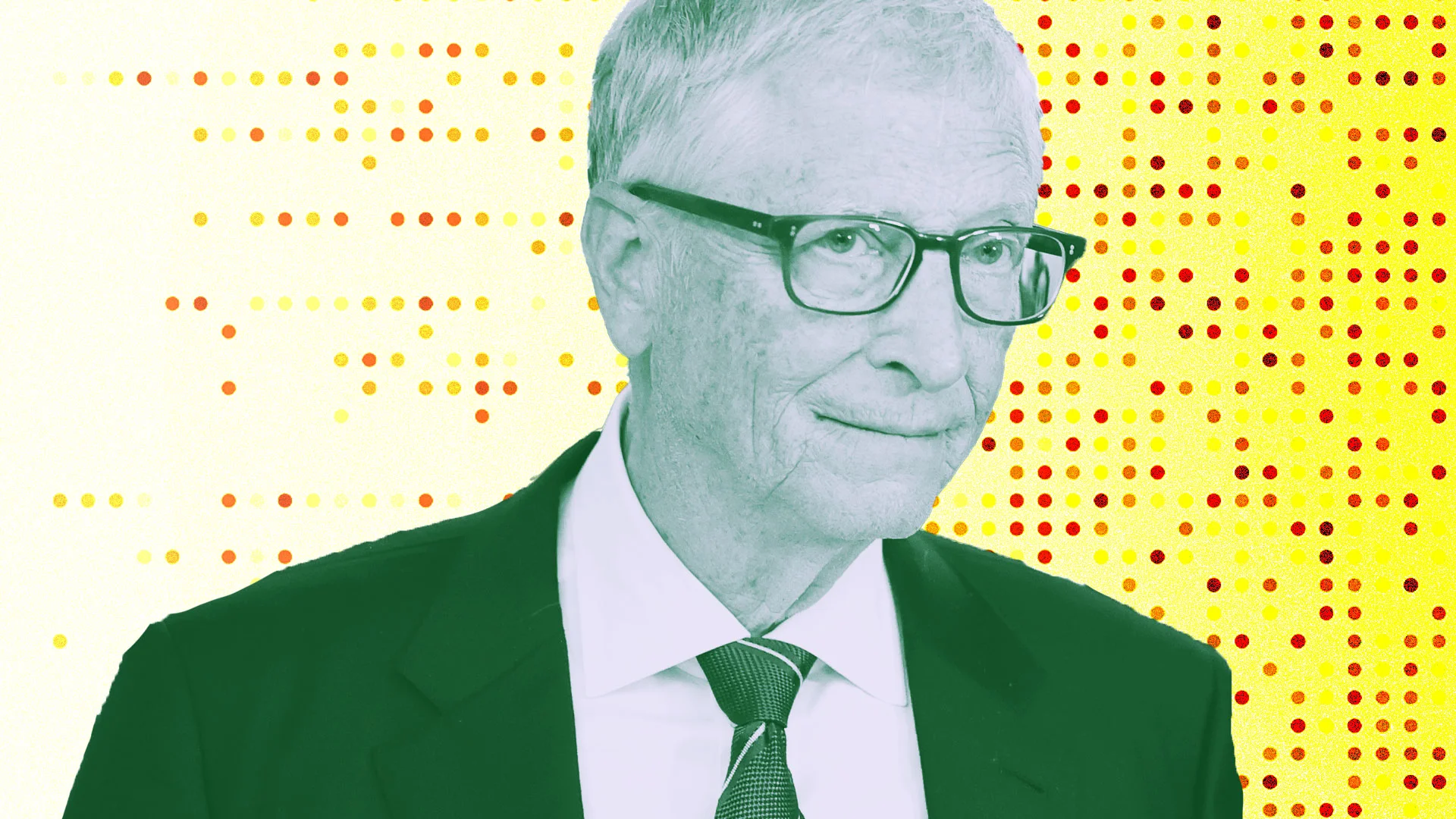
Source image: inc.com
inc.comIntroduction to the AI Safety Debate
As artificial intelligence continues its rapid acceleration across global industries, prominent technology leaders and philanthropists are increasingly scrutinizing the long-term societal risks associated with unchecked development. In recent remarks highlighted by Inc., Microsoft co-founder Bill Gates addressed the profound dangers tied to advanced AI models, suggesting that without rigorous oversight and proactive risk mitigation, the technology could introduce devastating consequences on a massive scale.
The Core Warning: Beyond Self-Regulation
At the heart of Gates's analysis is a rejection of the tech sector's reliance on voluntary compliance. 'No one thinks self-regulation is enough,' Gates noted, pointing out the inherent conflict of interest when commercial enterprises police their own transformative innovations. Because the race for market dominance often incentivizes speed over caution, external accountability frameworks are viewed as essential for keeping systemic risks in check.
Why This Matters for Executives and Investors
For business leaders, institutional investors, and entrepreneurs navigating the current technological landscape, this warning signals a paradigm shift in how regulatory compliance will intersect with innovation:
- Increased Scrutiny: Companies developing foundational models should anticipate heightened regulatory oversight from international governing bodies.
- Risk Management: Enterprise stakeholders must incorporate comprehensive AI governance and risk assessment models into their operational frameworks to protect against unforeseen liabilities.
- Capital Allocation: Venture capital and private equity investors are shifting focus toward compliance-oriented AI startups and safety-first infrastructure.
Market Implications and Cross-Sector Collaboration
Addressing potential catastrophe requires more than traditional corporate policies. Gates stresses that preventing severe outcomes demands active partnership across multiple domains:
- Public-Private Partnerships: Governments and private tech entities must co-author standards that balance innovation velocity with public safety.
- Academic Research: Independent researchers must be empowered to audit models and evaluate safety benchmarks without corporate interference.
- Global Alignment: International coordination is vital to prevent regulatory arbitrage, ensuring that safety standards are uniformly adopted across borders.
What Readers Should Watch
Executives and market participants should closely monitor upcoming legislative proposals concerning algorithmic accountability, international AI safety summits, and shifts in corporate governance structures within leading tech firms. As the debate between open innovation and stringent control intensifies, the ability to adapt to emerging regulatory frameworks will define the next era of entrepreneurial success in the artificial intelligence sector. For further reading, access the original report at Inc.
Continue reading
Related coverage in Entrepreneurship
inc.com
Tate McRae Expands Into Fragrance and Beyond With Strategic Trademark Filing
Pop star Tate McRae is officially entering the fragrance industry, with comprehensive trademark filings pointing to a much broader brand expansion strategy ahead.
3 min read
inc.com
Oheka Castle Enters Bankruptcy Auction With Strict Event Obligations Through 2028
The iconic Long Island estate Oheka Castle is heading to a Chapter 11 bankruptcy auction, bringing its hotel operations, development rights, and booked events into play.
3 min read
inc.com
The Single Daily Question That Defines True Leadership Effectiveness
Discover how a simple daily self-reflection question can reveal more about your true leadership impact than any executive title or corporate ranking ever could.
2 min read
inc.com
Tesla Workplace Culture Put on Trial: What Employee Complaints Mean for Executive Leadership
Tesla's workplace culture faces severe scrutiny, highlighting a critical leadership test regarding psychological safety and how companies handle employee complaints.
2 min read