Arizona State University Researchers Unlock Blood Antibody Analysis for Vaccine Efficacy
Researchers at Arizona State University have leveraged an innovative analytical technique on 4,000 blood samples, unlocking crucial insights into predicting individual vaccine effectiveness.
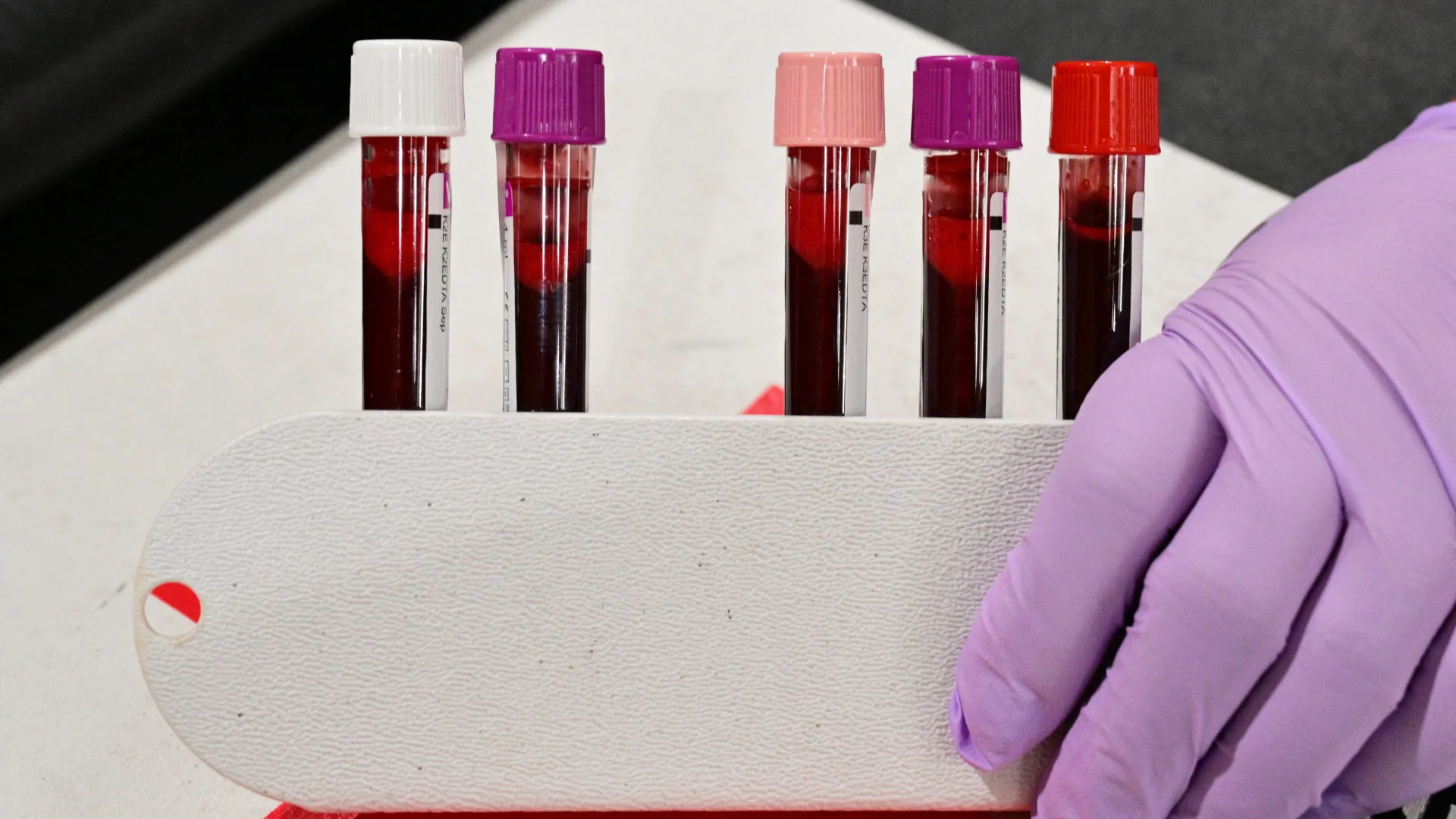
Source image: inc.com
inc.comRevolutionizing Vaccine Efficacy Through Blood Analysis
Researchers at Arizona State University have successfully deployed an innovative technique to analyze antibodies in a substantial cohort of 4,000 individuals. By decoding the specific immune signatures present in human blood, this breakthrough offers unprecedented visibility into how successfully an individual's immune system will respond to a specific vaccination. Rather than relying on generalized population metrics, this approach reads the biological indicators embedded directly within the bloodstream, marking a major leap forward in immunological research.
Why This Breakthrough Matters for Immunization
For decades, evaluating vaccine performance has largely depended on broad clinical trials and aggregate population data. While effective at a macro level, this traditional paradigm often masks individual variations in immune response. The ability to read predictive clues directly from blood samples changes the equation entirely. It shifts immunization science toward precision medicine, allowing researchers and clinicians to understand the nuances of antibody generation and persistence on a granular level. This development could fundamentally alter how future vaccines are evaluated during clinical development.
Strategic Market Implications
The implications of Arizona State University's research extend far beyond academic laboratories, carrying substantial weight for the biotechnology and pharmaceutical sectors:
- Enhanced Clinical Trials: Pharmaceutical companies can potentially integrate this screening methodology into clinical trial designs to rapidly identify responsive cohorts and streamline drug development pipelines.
- Personalized Healthcare Investments: Diagnostic and analytical startups focusing on immune profiling may see increased venture capital interest and partnership opportunities with major drug developers.
- Targeted Distribution: Public health organizations and enterprises may leverage precision diagnostics to optimize vaccine deployment strategies during outbreaks or seasonal campaigns.
Key Trends and Metrics to Watch
As this novel technique moves from academic discovery toward broader commercial and clinical adoption, stakeholders should monitor several critical indicators:
- Scalability and Cost: Whether the analytical technique can be scaled efficiently for high-throughput commercial laboratories without prohibitive per-test costs.
- Regulatory Pathways: Potential engagement with regulatory bodies like the FDA for diagnostic validation and integration into standard vaccine approval frameworks.
- Industry Partnerships: Collaborative agreements between diagnostic innovators and major pharmaceutical manufacturers seeking to harness predictive immune profiling.
To read the original report and explore further details, visit the Inc. Source Article.
Continue reading
Related coverage in Leadership
inc.com
Tate McRae Enters the Fragrance Market with Broad Trademark Strategy
Singer Tate McRae is expanding into the fragrance industry with a trademark that extends well beyond perfume, signaling ambitious multi-category brand growth ahead.
2 min read
inc.com
Oheka Castle Heads to Bankruptcy Auction with Strict Terms for Prospective Buyers
Famed Long Island estate Oheka Castle prepares for a Chapter 11 bankruptcy auction, requiring its next buyer to honor booked events extending all the way into 2028.
3 min read
inc.com
Evaluating Leadership Effectiveness: The Daily Question That Matters More Than Your Title
Discover how a single daily self-reflection question can redefine your leadership effectiveness and outperform traditional titles in driving organizational success.
3 min read
inc.com
Tesla Workplace Culture Put to the Test as Employee Complaints Spark Broad Leadership Debate
Tesla's workplace culture faces severe scrutiny, highlighting a critical leadership test regarding psychological safety and how organizations respond to employee complaints.
2 min read