Apple's New iOS 27 Feature Sparks Privacy Debate Over 12-Hour Location Hiding
Apple's iOS 27 beta introduces a 12-hour location-hiding feature in Find My that keeps contacts in the dark, igniting discussions on digital trust and personal privacy.
Source image: inc.com
inc.comUnderstanding Apple's New Find My Location-Hiding Update
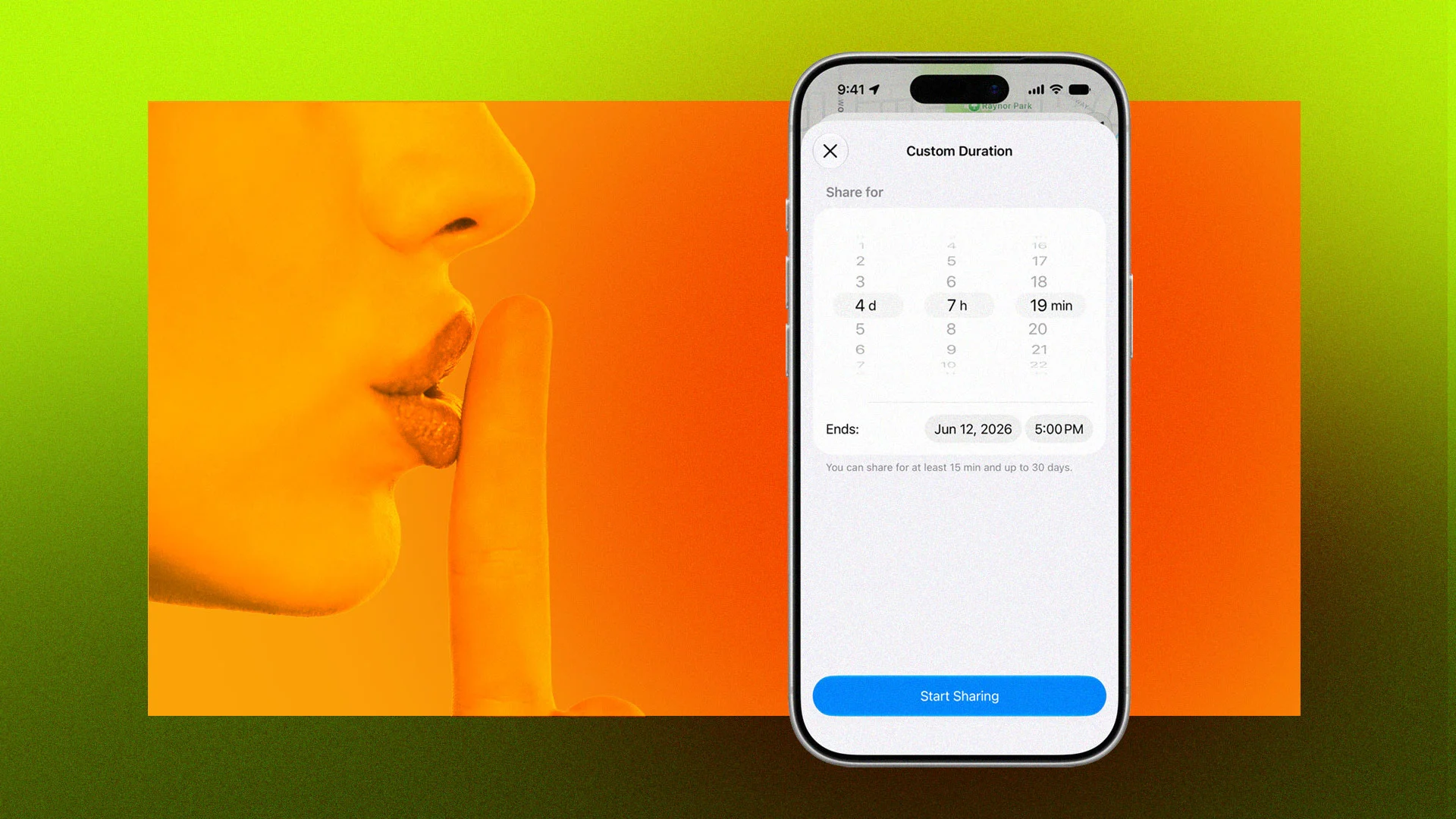
In a move that balances personal autonomy with consumer surveillance dynamics, Apple has introduced a notable update within the iOS 27 developer beta. Spotted initially by industry trackers, the update allows users to navigate to their Find My card under the People section and select a new \u201cHide Location\u201d parameter. This setting temporarily obscures the user's real-time whereabouts for a fixed duration of 12 hours before automatically reverting to the previously established sharing state.
Crucially, this feature operates silently. When a user chooses to cloak their location, the application does not transmit an alert, notification, or warning flag to the other parties who previously had access to that data. A corresponding \u201cUnhide Location\u201d button remains available for users who wish to resume sharing ahead of the 12-hour expiration window.
Why This Feature Matters for Executives and Consumers
The evolution of Apple's Find My app—which traces its roots back to Find My Friends introduced in iOS 5 and its subsequent evolution into a mandatory system-level tool—has always walked a tightrope between utility and intrusion. For professionals, entrepreneurs, and everyday consumers, constant connectivity has become a baseline expectation. However, this expectation often blurs boundaries between personal lives and professional oversight.
Industry analysts note that granular privacy tools give individuals the power to curate their digital footprint selectively. As Kyle Verry, vice president of strategic partnerships at IntraTEM, pointed out to Inc., selective hiding capabilities can help teenagers and adults alike manage complex social circles, enabling users to limit access for individuals who do not need continuous oversight while maintaining transparency with trusted contacts.
Market Implications and Trust Dynamics
Tech giants face mounting pressure to embed privacy-first controls into their operating systems, driven by regulatory shifts and consumer fatigue over data tracking. Yet, features that deliberately omit notifications to affected parties introduce friction into relationships built on mutual tracking trust.
- Erosion of Predictability: Platforms relying on continuous geolocation depend on user certainty. Silent masking disrupts this reliability.
- Competitive Differentiation: Apple continues to position itself as a champion of user privacy, utilizing hardware and software ecosystems to build consumer loyalty.
- Security Versus Autonomy Trade-offs: While safety advocates value the tool for escaping potentially controlling environments, others worry about the deceptive potential in personal and professional commitments.
What Readers and Investors Should Watch
As the iOS 27 beta progresses toward a public rollout, stakeholders must observe how Apple responds to initial user friction. Key indicators of the feature's long-term viability will include whether Apple introduces customizable notification toggles, how enterprise device management systems interpret the capability, and whether competitors adopt similar silent-masking protocols in rival mobile operating systems. For verification of ongoing developments, readers can review the original reporting on Inc.
Continue reading
Related coverage in Leadership
inc.com
Tate McRae Enters the Fragrance Market with Broad Trademark Strategy
Singer Tate McRae is expanding into the fragrance industry with a trademark that extends well beyond perfume, signaling ambitious multi-category brand growth ahead.
2 min read
inc.com
Oheka Castle Heads to Bankruptcy Auction with Strict Terms for Prospective Buyers
Famed Long Island estate Oheka Castle prepares for a Chapter 11 bankruptcy auction, requiring its next buyer to honor booked events extending all the way into 2028.
3 min read
inc.com
Evaluating Leadership Effectiveness: The Daily Question That Matters More Than Your Title
Discover how a single daily self-reflection question can redefine your leadership effectiveness and outperform traditional titles in driving organizational success.
3 min read
inc.com
Tesla Workplace Culture Put to the Test as Employee Complaints Spark Broad Leadership Debate
Tesla's workplace culture faces severe scrutiny, highlighting a critical leadership test regarding psychological safety and how organizations respond to employee complaints.
2 min read