A Masterclass in Generational Independence: How The Monteleone Stayed Private for 140 Years
Discover how New Orleans' iconic Monteleone hotel has remained completely family-owned across five generations, avoiding corporate parents and brand mandates for 140 years.
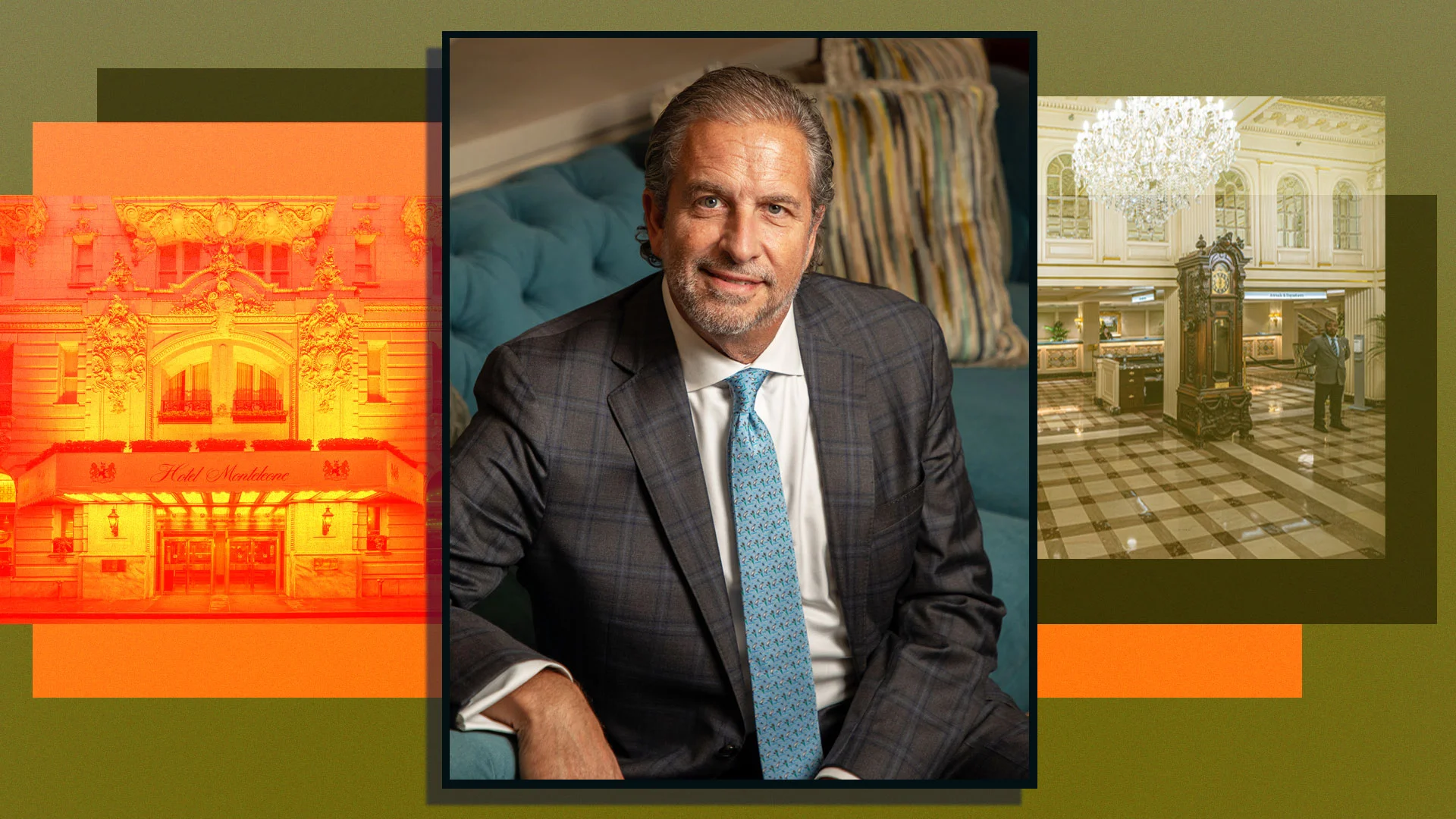
Source image: inc.com
inc.comThe Anatomy of a 140-Year Family Enterprise
In an era dominated by hospitality consolidation, global franchise flags, and private equity roll-ups, maintaining total independence is a remarkable feat. The Monteleone, a New Orleans institution located in the heart of the French Quarter, is celebrating its 140th year of continuous family ownership. Originally acquired as a modest 64-room hotel by Sicilian cobbler Antonio Monteleone in 1886, the property has expanded into a massive 523-room operation featuring 96 suites and a workforce exceeding 500 employees. Remarkably, no corporate parent sits above the management structure. Recently shortening its branding from Hotel Monteleone to simply the Monteleone, the business continues to demonstrate how independent operators can scale successfully while preserving their core identity.
Why Generational Independence Matters for Leadership
For executives and modern entrepreneurs, the Monteleone model offers a profound lesson in strategic autonomy. Without the burden of quarterly earnings calls or strict brand mandates dictated by regional corporate offices, leadership can focus purely on long-term value creation. General manager Stephen Caputo notes that strategy is dictated by a different kind of horizon—one measured in generations rather than fiscal quarters. Decisions regarding capital allocation, architectural preservation, and guest experience are filtered through a lens of legacy, ensuring that every dollar invested builds enduring equity rather than temporary stock price bumps.
This independence enables major capital commitments that might paralyze a publicly traded hospitality trust. Historical records and business updates highlight massive infrastructure investments, including a $70 million renovation project that introduced a luxury spa, alongside a comprehensive overhaul of the Iberville Tower featuring 160 guest rooms, 48 suites, and a modernized ballroom. Because the family answers only to itself, these capital-intensive bets can be deployed without navigating layers of corporate bureaucracy or securing external shareholder approval.
Market Implications for the Hospitality Sector
The enduring success of the Monteleone challenges conventional wisdom regarding modern business scalability. Key market implications include:
- Immunity to Corporate Homogenization: Travelers increasingly seek authentic, localized experiences that standardized franchise properties struggle to replicate.
- Long-Term Capital Flexibility: Private ownership allows operators to absorb economic downturns and fund structural improvements without liquidating core assets.
- Brand Loyalty Through Heritage: Multi-generational continuity builds deep emotional equity with both consumers and local labor markets.
As corporate hospitality chains continue to merge and standardize their offerings, independent landmark properties occupy a distinct high-value niche. They prove that scale does not inherently require sacrificing brand soul or submitting to external institutional control.
What Investors and Entrepreneurs Should Watch
Industry observers should monitor how independent luxury properties navigate rising operational costs and technological shifts without the safety net of a major corporate network. The Monteleone's trajectory suggests that institutional longevity relies heavily on disciplined capital preservation and an unwavering commitment to quality. For entrepreneurs building consumer-facing brands, the primary takeaway is clear: resisting the pull of early corporate acquisition can sometimes yield greater enterprise value and cultural permanence over the long haul. You can read the original story on Inc.
Continue reading
Related coverage in Leadership
inc.com
Tate McRae Enters the Fragrance Market with Broad Trademark Strategy
Singer Tate McRae is expanding into the fragrance industry with a trademark that extends well beyond perfume, signaling ambitious multi-category brand growth ahead.
2 min read
inc.com
Oheka Castle Heads to Bankruptcy Auction with Strict Terms for Prospective Buyers
Famed Long Island estate Oheka Castle prepares for a Chapter 11 bankruptcy auction, requiring its next buyer to honor booked events extending all the way into 2028.
3 min read
inc.com
Evaluating Leadership Effectiveness: The Daily Question That Matters More Than Your Title
Discover how a single daily self-reflection question can redefine your leadership effectiveness and outperform traditional titles in driving organizational success.
3 min read
inc.com
Tesla Workplace Culture Put to the Test as Employee Complaints Spark Broad Leadership Debate
Tesla's workplace culture faces severe scrutiny, highlighting a critical leadership test regarding psychological safety and how organizations respond to employee complaints.
2 min read