Zcash Targets Massive Performance Leap With NU7 Upgrade and 25-Second Block Times
Zcash developers are pushing forward with the NU7 upgrade, aiming to slash block times from 75 seconds to 25 seconds while restructuring long-term network security funding.
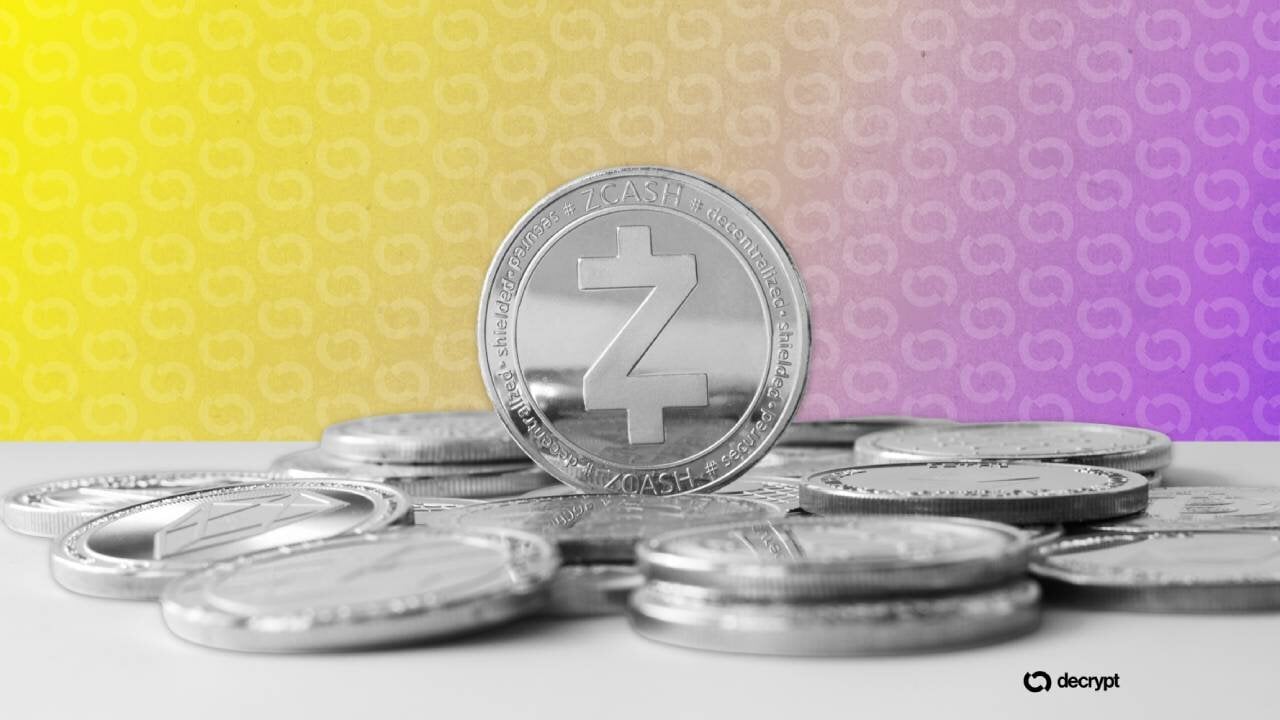
Source image: decrypt.co
decrypt.coWhat Happened With the Zcash NU7 Upgrade
Zcash development teams—spanning multiple independent organizations like the Zcash Foundation, Shielded Labs, and Project Tachyon—have reached a consensus to roll out the NU7 network upgrade. The centerpiece of this protocol change is a dramatic reduction in block times, cutting the interval between confirmed batches of transactions from 75 seconds down to 25 seconds. This threefold acceleration directly targets zero-knowledge proof transactions, enabling shielded payments to settle rapidly.
Because faster block generation naturally increases token issuance under standard cryptocurrency rules, the upgrade implements a companion protocol adjustment known as ZIP 218. This proposal scales down the reward miners earn per block by roughly a factor of three, ensuring that total daily ZEC creation remains entirely neutral. Furthermore, coinholders overwhelmingly voted to maintain Bitcoin-style halvings, while establishing a mechanism to bank transaction fees beginning in 2026 to support long-term network security after the block subsidy declines past 2031.
Why This Infrastructure Pivot Matters
For years, privacy-centric cryptocurrencies have struggled with a trade-off between rigorous cryptographic security and user-experience friction. Zero-knowledge proofs are computationally heavy, and longer confirmation windows have traditionally hindered point-of-sale or routine peer-to-peer applications. By compressing settlement times to 25 seconds, Zcash is bridging the gap between absolute financial privacy and the responsiveness expected from mainstream digital rails.
Equally important is the proactive restructuring of the network's economic model. Protocols relying on block subsidies frequently face severe security crunches as rewards halve over time. By formalizing a fee-banking architecture ahead of the post-2031 era, Zcash is attempting to secure sustainable economic incentives for miners, addressing long-term viability concerns that often plague legacy proof-of-work assets.
Market Implications for Investors and Enterprises
The operational efficiency of a blockchain directly impacts its utility for institutional adopters and enterprise use cases. Faster settlement finality reduces counterparty exposure windows and enhances liquidity management for entities handling confidential transactions. For investors, supply predictability remains paramount; the mathematical balancing act executed via ZIP 218 ensures that the velocity upgrade does not compromise the asset's fixed-schedule scarcity model.
However, ecosystem stakeholders must also weigh historical context. Privacy-preserving protocols continue to navigate a complex regulatory landscape and technical scrutiny regarding supply audits. Strengthening base-layer throughput makes the technology more commercially viable, but it also increases the operational tempo of the network, requiring robust node infrastructure and continued coordination among disparate development entities.
What Readers Should Watch
As the network moves toward its mainnet target, investors, founders, and executives should monitor several critical milestones:
- Testnet Deployment: Track stability and performance metrics following the testnet launch on October 6.
- Mainnet Activation: Observe the final parameter lock-in and activation height set by developers on October 20 ahead of the November 5 target.
- Fee Accumulation Metrics: Evaluate how effectively the new transaction fee mechanisms begin provisioning the post-2031 security vault.
- Regulatory and Compliance Responses: Monitor how enhanced transaction speeds influence institutional custody solutions and integration pipelines across global markets.
For more details on the technical specifications, read the original report on Decrypt.
Continue reading
Related coverage in Crypto
cointelegraph.com
Trump Schedules Third Memecoin Holder Dinner Amid Growing Corruption Scrutiny
President Trump is set to host his third exclusive memecoin dinner for top token holders at his Washington, DC golf club, drawing renewed ethical and market scrutiny.
3 min read
cointelegraph.com
50,000 Europeans Petition EU to Relax MiCA Stablecoin Reward Restrictions
A new 50,000-letter campaign is urging Brussels to ease stablecoin rewards restrictions during the MiCA review, aligning with broader central bank pushes.
2 min read
cryptonews.com
Dogecoin Eyes $1 Milestone as DogeOS Testnet Launch Sparks Utility Speculation
Dogecoin trades at $0.09447 as the DogeOS testnet goes live. Traders eye the $0.098 resistance and psychological $0.10 mark amid fresh utility potential.
2 min read
decrypt.co
Bitcoin Enters 'Uptober' Amid Fed Rate Hike Pressures and 5.3% Treasury Yields
Bitcoin enters its historically strongest month following a record September, yet rising Federal Reserve rate hike fears and 5.3% Treasury yields present major hurdles.
2 min read