World Liberty Financial Faces Intense Scrutiny Over 49% Saudi-Linked Stake in New Banking Venture
World Liberty Financial secures preliminary OCC approval for a national trust bank, revealing a 49% stake held by entities linked to Abu Dhabi royal Sheikh Tahnoon bin Zayed Al Nahyan.
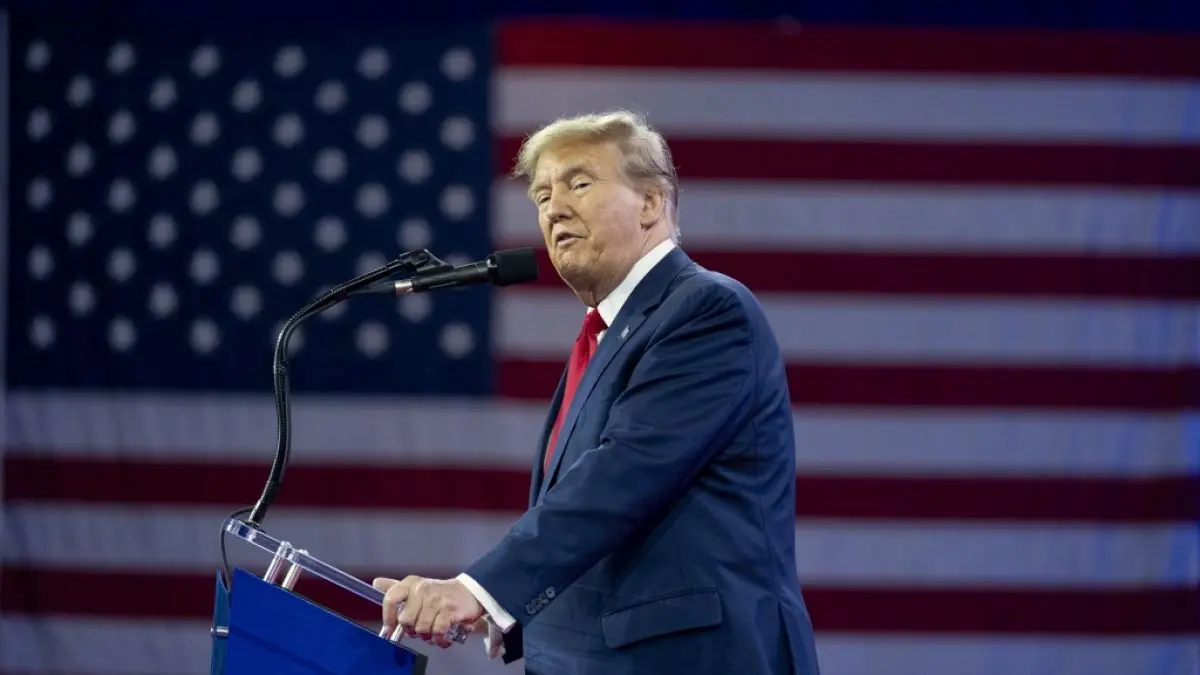
Source image: cryptonews.com
cryptonews.comThe Anatomy of the World Liberty Bank Venture
World Liberty Financial, the prominent digital asset platform co-founded by family members of U.S. President Donald Trump, has achieved a critical regulatory milestone. The Office of the Comptroller of the Currency (OCC) granted preliminary conditional approval for the establishment of the World Liberty Trust Company, a federally chartered national trust bank designed to manage, issue, and custody the ecosystem's flagship USD1 stablecoin.
However, newly surfaced ownership disclosures have thrust the venture into a storm of political and financial controversy. According to financial filings and reports, the bank's holding entity—WLTC Holdings—is structured with a 49% stake owned by StringZ Holding RSC, an investment vehicle tied to Abu Dhabi royal and UAE National Security Advisor Sheikh Tahnoon bin Zayed Al Nahyan. Meanwhile, entities affiliated with the Trump family retain a 38% position. This deep alignment bridges high-level Middle Eastern sovereign wealth capital directly with the personal financial structures of the U.S. executive branch.
Strategic Motivations and Market Implications for USD1
The creation of an in-house trust bank is not merely symbolic; it represents a fundamental pivot in how World Liberty Financial captures economic value from its stablecoin operations. Currently, the $4 billion USD1 stablecoin relies on third-party custodians like BitGo to hold and manage reserve assets, which consist heavily of short-term U.S. Treasury securities generating substantial annual interest income.
By bringing issuance, redemption, and custody under a unified, federally supervised trust bank banner enabled by recent legislative frameworks like the Stablecoin GENIUS Act, World Liberty aims to internalize these multi-million dollar yields. Key implications include:
- Direct Yield Retention: The bank will enable the enterprise to bypass third-party custodian fees and retain 100% of the interest generated by underlying U.S. Treasury reserves.
- Institutional Scaling: A dedicated trust charter paves the way for advanced institutional digital asset services, conversion capabilities, and enterprise-grade crypto custody.
- Ecosystem Consolidation: Tight integration between the stablecoin issuer and its captive bank creates a vertically integrated crypto-financial powerhouse.
Regulatory Scrutiny and Geopolitical Concerns
The involvement of Sheikh Tahnoon—often described as a master strategist overseeing a vast international financial and technological empire—has reignited fierce debates in Washington. Lawmakers from both sides of the aisle, alongside government watchdog groups, have raised questions regarding national security, foreign influence, and potential conflicts of interest.
In response to these pressures, the OCC implemented unusual oversight measures during the preliminary approval phase, requiring major shareholders, including the Tahnoon-linked and Trump-affiliated entities, to sign strict passivity agreements. These covenants legally bind investors against seeking operational control or interfering in the direct management of the bank. Nevertheless, critics argue that the sheer scale of the foreign equity stake undermines public trust in independent regulatory processes.
What Investors Should Watch
As World Liberty Financial navigates the final stages toward full operational clearance, market participants and institutional investors should monitor several key developments:
- Fulfillment of OCC Pre-Opening Conditions: The trust bank cannot legally commence operations until it satisfies rigorous capital requirements, including maintaining mandatory Tier 1 capital and appointing approved internal auditors.
- Legislative Pushback: Ongoing efforts by congressional critics to introduce stricter crypto-ethics rules or launch formal investigations could introduce regulatory friction or delay final authorization.
- Stablecoin Market Share Dynamics: How institutional users perceive the transition of USD1 reserves to a politically sensitive, foreign-backed trust bank will dictate whether the asset can successfully compete with established market leaders like Tether and USDC.
Ultimately, the progression of World Liberty’s banking arm serves as a watershed moment for the convergence of traditional statecraft, sovereign wealth, and decentralized finance. Whether this unprecedented corporate structure establishes a blueprint for future crypto-banking integration or triggers sweeping regulatory overhauls remains one of the most critical storylines in global finance.
Continue reading
Related coverage in Crypto
cointelegraph.com
Trump Schedules Third Memecoin Holder Dinner Amid Growing Corruption Scrutiny
President Trump is set to host his third exclusive memecoin dinner for top token holders at his Washington, DC golf club, drawing renewed ethical and market scrutiny.
3 min read
cointelegraph.com
50,000 Europeans Petition EU to Relax MiCA Stablecoin Reward Restrictions
A new 50,000-letter campaign is urging Brussels to ease stablecoin rewards restrictions during the MiCA review, aligning with broader central bank pushes.
2 min read
cryptonews.com
Dogecoin Eyes $1 Milestone as DogeOS Testnet Launch Sparks Utility Speculation
Dogecoin trades at $0.09447 as the DogeOS testnet goes live. Traders eye the $0.098 resistance and psychological $0.10 mark amid fresh utility potential.
2 min read
decrypt.co
Bitcoin Enters 'Uptober' Amid Fed Rate Hike Pressures and 5.3% Treasury Yields
Bitcoin enters its historically strongest month following a record September, yet rising Federal Reserve rate hike fears and 5.3% Treasury yields present major hurdles.
2 min read