Why Sylvester Stallone’s Multi-Million Dollar Rejection Holds a Critical Lesson for Founders
Discover why Sylvester Stallone turned down life-changing money for Rocky and what modern founders can learn about preserving their core vision.
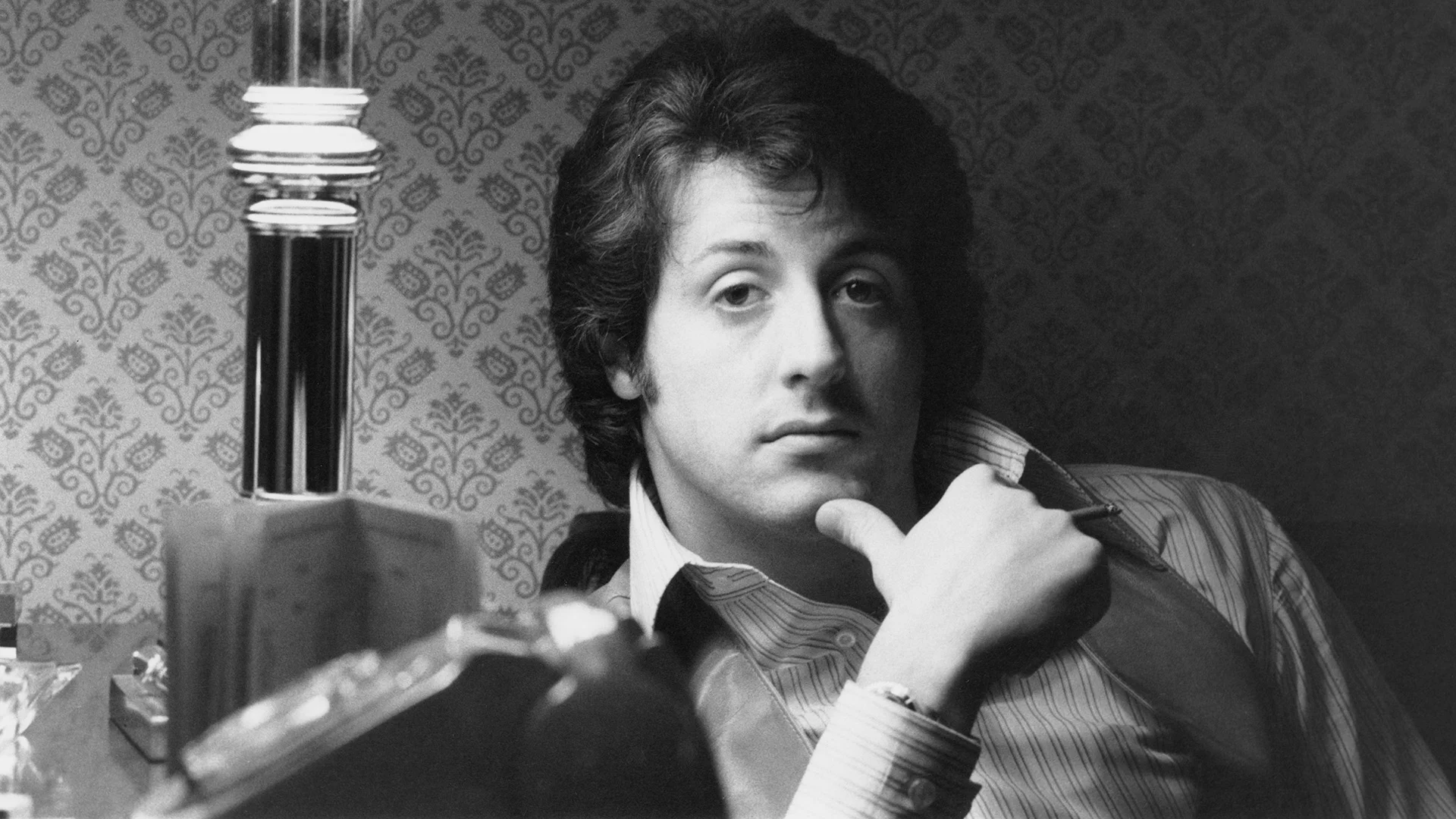
Source image: inc.com
inc.comThe Price of Uncompromising Conviction
In the high-stakes world of startups and corporate leadership, few dilemmas test a founder quite like an early, life-changing buyout offer. When Sylvester Stallone wrote the screenplay for Rocky in just three and a half days, he was virtually broke, living in near-poverty, and facing mounting debts. Hollywood studios quickly recognized the commercial potential of his underdog story, offering sums that climbed past $300,000—equivalent to millions in today’s economy. There was just one major catch: the studios wanted established, box-office-proven actors like Robert Redford, Burt Reynolds, or James Caan to helm the lead role, leaving Stallone out of the picture.
For an individual struggling to secure basic necessities, walking away from such capital defies conventional financial logic. Yet, Stallone recognized a hidden trap. His objective was never simply to cash in as a screenwriter; his vision was to bring the character of Rocky Balboa to life on screen through his own lived authenticity. By refusing the payout, he made a calculated bet on himself that fundamentally altered entertainment history.
The Core Lesson for Entrepreneurs and Executives
In modern business culture, founders are constantly bombarded with advice to remain flexible, pivot aggressively, and cater to market demands or investor whims. While adaptability is crucial for survival, a dangerous secondary effect often accompanies it: the erosion of core intent. Vision rarely dies in a single, catastrophic boardroom failure; rather, it degrades gradually through a thousand minor compromises.
- Define Your Ultimate Outcome: Knowing precisely what victory looks like prevents you from mistaking someone else's definition of success for your own.
- Recognize the Danger of Misaligned Capital: Not all money is good money. Funding or partnerships that strip away core identity can turn a thriving venture into a hollow corporate shell.
- Clarity Drives Persistence: True resilience does not stem from blind stubbornness; it originates from absolute clarity regarding why the enterprise exists in the first place.
Market Implications and Investor Perspective
For investors, evaluating leadership goes far beyond examining balance sheets and growth projections. The most resilient organizations are typically led by founders who possess a nonnegotiable sense of purpose. When macroeconomic conditions tighten, leaders lacking internal conviction are far more likely to drift off-strategy, sacrificing long-term equity value for short-term appeasement.
Conversely, founders who protect their core vision with the fierce tenacity Stallone demonstrated often build brands with deep, defensible moats. Authenticity and brand equity cannot be easily replicated by competitors who merely manufacture a product for a trend.
What Investors and Founders Should Watch
As market dynamics continue to evolve, stakeholders must monitor how leadership teams balance external pressures with internal identity. Watch for signs of strategic drift, where continuous pivots strip a business of its original value proposition. Ultimately, the legacy of Rocky endures not because a script was bought and sold, but because a creator refused to let his vision be diluted. For executives navigating the next wave of growth, the ultimate question remains: Does your next big opportunity move you closer to your true vision, or does it merely look like success while quietly replacing it?
Continue reading
Related coverage in Business
nytimes.com
David Ellison Targets CNN Leadership Continuity in Paramount Merger Talks
David Ellison is currently negotiating to retain CNN CEO Mark Thompson without oversight from CBS editor in chief Bari Weiss as parent companies navigate merger plans.
2 min read
bbc.com
Decoding Nike’s Slump: How Strategic Missteps Cost the Sportswear Titan Its Edge
Explore the factors behind Nike's dramatic market decline. Industry analysts dissect the self-inflicted strategic errors that shook the sportswear giant.
3 min read
bbc.com
Treasury Committee Directs HMRC to Investigate Tax Implications of Manchester City Case
The UK Treasury Committee has called on HMRC to closely examine potential tax ramifications arising from the high-profile Manchester City legal verdict.
3 min read
nytimes.com
US Imposes Sanctions on Russian Firm A7 Over Global Shell Company Evasion Schemes
The United States targets Russian financial firm A7 with new sanctions following reports of utilizing global shell companies to bypass existing economic restrictions.
3 min read