Why Lululemon’s Playbook for Slowing Growth Exposes a Dangerous Trap for Executives
When revenue slows down, executives often respond by throwing capital at marketing. But as Lululemon's recent struggles show, amplification cannot fix a broken product strategy.
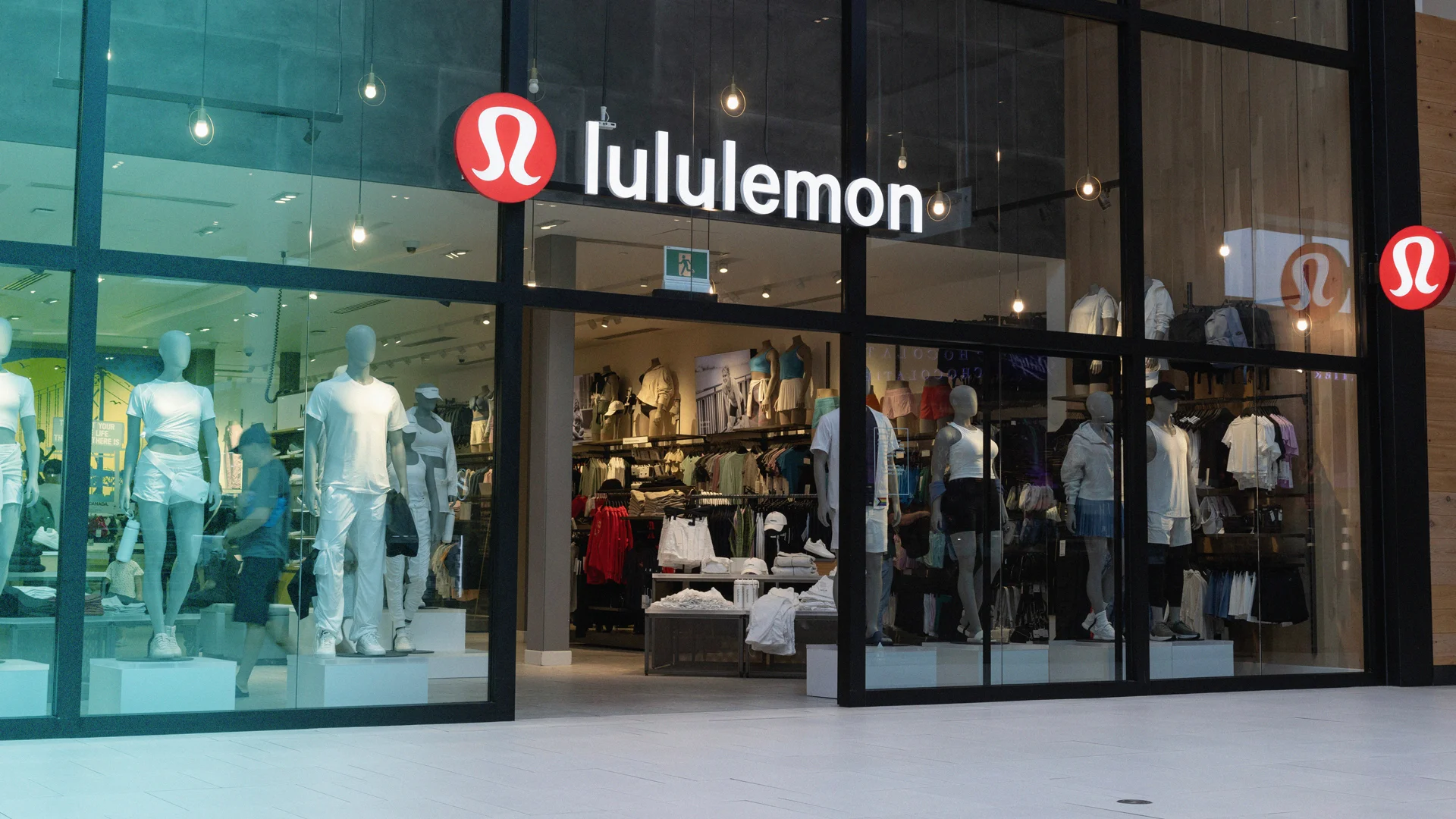
Source image: inc.com
inc.comThe Anatomy of a Corporate Growth Trap
When revenue growth begins to stall, corporate boardrooms frequently default to a predictable playbook: authorize a larger marketing budget. In the service and retail sectors alike, sales teams demand more leads while marketing departments argue for increased capital allocation to capture market share. This knee-jerk reaction is precisely what major retail giants like Lululemon have leaned on as year-over-year metrics slide and domestic demand softens.
However, seasoned investors and executives must recognize a fundamental business truth: marketing is an amplifier, not a creator. Pumping capital into top-and mid-funnel acquisition channels cannot save an enterprise if the underlying core offering has lost its competitive edge. When a brand's core product cycle goes stale, increased advertising spend simply channels a higher volume of prospects directly into an inefficient conversion funnel, accelerating customer churn rather than reversing it.
Dissecting Lululemon’s Recent Financial Slump
Recent financial disclosures from Lululemon exposed profound underlying vulnerabilities that extend far beyond ordinary macro-level economic headwinds. With second-quarter revenue dropping 4 percent year-over-year and comparable store sales in the Americas plunging by double digits, management pointed toward a mix of declining brand heat and sluggish product innovation. Crucially, core categories such as signature leggings experienced steep volume contractions as consumers increasingly migrated toward alternative competitors like Alo and Vuori.
Despite these clear warning signs, executive leadership opted to maintain aggressive top-funnel marketing investments while simultaneously attempting to streamline store inventory. This strategy highlights a dangerous disconnect. If consumer preferences have shifted away from tight silhouettes toward looser, wider-leg styles, or if brand fatigue has set in due to a lack of meaningful technical innovation, pouring resources into advertising campaigns will yield diminishing returns on equity.
Market Implications and Valuation Risks for Investors
For institutional investors and market analysts, Lululemon’s missteps offer a vital lesson in valuation and earnings quality. When a premium-priced brand experiences a contraction in full-price buying, it signals a quiet erosion of consumer trust. Investors who look strictly at historical brand equity or international expansion footprints often fall into a value trap, assuming temporary macroeconomic friction is entirely to blame for structural underperformance.
- Deteriorating Earnings Quality: Headline margins can often be propped up by one-time tax items or temporary adjustments, masking fundamental operational decay.
- Market Share Erosion: Agile competitors are quick to capitalize on stagnant product assortments, permanently capturing high-value demographic segments.
- Misallocated Capital: Increasing marketing outlays during a product relevance slump burns precious liquidity that would be better directed toward R&D and supply chain innovation.
What Executives and Investors Should Monitor Moving Forward
Navigating a corporate turnaround requires ruthlessly objective diagnostic metrics. Executives must shift their questioning away from blanket inquiries like 'How much more budget do we need to drive traffic?' toward targeted assessments of product-market fit, pricing power, and organic conversion efficiency.
Investors evaluating retail and consumer discretionary sectors should closely track several leading indicators to determine if a company is successfully executing a recovery or merely digging a deeper hole:
- Core Comparable Sales Stabilization: Look for sequential improvement in domestic and regional same-store sales rather than relying solely on international expansion metrics.
- Full-Price Realization: Monitor gross margin stability driven by full-price sell-through rather than heavy reliance on markdowns and promotional clearance.
- Product Category Re-engagement: Evaluate whether new merchandise categories and design refreshes are successfully halting the decline of legacy star products.
Ultimately, Lululemon’s current trajectory serves as a cautionary tale for modern executives. Growth cannot be bought back through sheer advertising volume if the product itself no longer commands consumer urgency. True enterprise resilience demands the courage to confront product-level stagnation head-on before opening the marketing checkbook.
Continue reading
Related coverage in Business
nytimes.com
David Ellison Targets CNN Leadership Continuity in Paramount Merger Talks
David Ellison is currently negotiating to retain CNN CEO Mark Thompson without oversight from CBS editor in chief Bari Weiss as parent companies navigate merger plans.
2 min read
bbc.com
Decoding Nike’s Slump: How Strategic Missteps Cost the Sportswear Titan Its Edge
Explore the factors behind Nike's dramatic market decline. Industry analysts dissect the self-inflicted strategic errors that shook the sportswear giant.
3 min read
bbc.com
Treasury Committee Directs HMRC to Investigate Tax Implications of Manchester City Case
The UK Treasury Committee has called on HMRC to closely examine potential tax ramifications arising from the high-profile Manchester City legal verdict.
3 min read
nytimes.com
US Imposes Sanctions on Russian Firm A7 Over Global Shell Company Evasion Schemes
The United States targets Russian financial firm A7 with new sanctions following reports of utilizing global shell companies to bypass existing economic restrictions.
3 min read