Why Apple Store Architect Ron Johnson Skeptical of Silicon Valley AI Shopping Bet
Ron Johnson, the architect behind Apple’s retail stores, challenges Silicon Valley's heavy reliance on AI for shopping, asserting human connection remains vital.
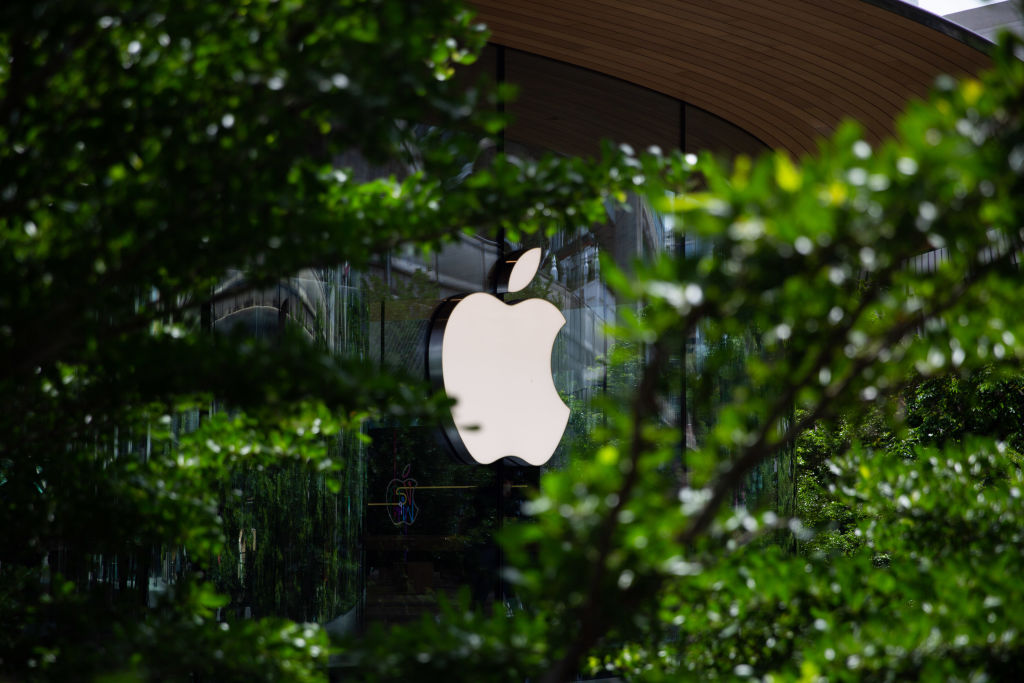
Source image: techcrunch.com
techcrunch.comThe Human Element vs. Algorithmic Retail
Silicon Valley is currently pouring billions of dollars into artificial intelligence, aiming to redefine how consumers discover, evaluate, and purchase products online and offline. Automated shopping agents, predictive recommendation engines, and generative AI interfaces are being hailed as the next frontier of commerce. However, Ron Johnson—the mastermind who designed and launched Apple's iconic retail stores—remains deeply skeptical of this technological monoculture.
Speaking on the core philosophy of modern retail, Johnson emphasized that technology alone cannot replicate the emotional resonance and trust built through human interactions. While AI can optimize logistics and streamline backend operations, the actual point of sale and brand loyalty are cemented by empowered, knowledgeable staff.
Why Ron Johnson’s Skepticism Matters for Investors
For executives and institutional investors, Johnson’s critique serves as a necessary cautionary tale against over-indexing on unproven retail tech trends. The rush to automate customer service and replace human touchpoints with chatbots and AI shopping assistants risks alienating consumers who still value empathy, advice, and physical presence.
Key considerations from this perspective include:
- Capital Allocation: Companies risking excessive capital on predictive AI tools may see diminishing returns if the consumer experience feels cold and transactional.
- Brand Differentiation: In a marketplace flooded with identical AI-driven interfaces, human-centric service becomes a rare and premium differentiator.
- Operational Balance: True innovation likely lies in augmenting human employees with smart tools rather than replacing them outright.
Market Implications and Future Outlook
The broader technology and retail markets are at a critical crossroads. As venture capitalists and enterprise leaders evaluate their digital transformation roadmaps, the pushback from retail veterans like Johnson highlights a potential backlash against over-automation. Companies that successfully balance technological efficiency with genuine human connection are positioned to capture long-term brand equity.
Investors should look closely at how major retailers measure the ROI of their AI investments versus investments in workforce training and store-level engagement. The divergence between pure-play digital automation and experiential physical retail will likely define market winners over the next decade.
What Readers and Executives Should Watch
As the retail landscape continues to evolve, stakeholders should monitor several key indicators:
- Consumer adoption rates and satisfaction scores regarding AI-driven shopping tools versus traditional assisted selling.
- Shifts in enterprise spending strategies, specifically whether companies reallocate budgets from customer-facing bots back to human staffing.
- Strategic updates from major tech and retail giants regarding their experiential retail footprints.
For ongoing analysis of technology trends and market impacts, readers can verify original developments directly through sources like TechCrunch.
Continue reading
Related coverage in Innovation
techcrunch.com
Musk's AI Chatbot Grok Reportedly Advised Trump on Venezuela Operation
A recent report reveals that Elon Musk's AI chatbot Grok was allegedly consulted by President Trump regarding the capture of Venezuela's president, raising major tech and geopolitical questions.
3 min read
techcrunch.com
OpenAI Integrates Virtual Try-On and Shopping Features into ChatGPT
OpenAI introduces innovative shopping capabilities to ChatGPT, allowing users to virtually try on apparel using personal photos and save items to a Favorites library.
2 min read
techcrunch.com
Google Launches First Advanced Chip into Orbit, Targets Space Data Centers
Google has launched its first advanced chip into orbit as part of its strategy toward space data centers, noting significant launch requirements ahead.
2 min read
techcrunch.com
Decoding Opus 5.5: How Linguistic Tells are Reshaping AI Content and Market Perception
Opus 5.5 exhibits distinct linguistic fingerprints, notably overusing the word dependable. This discovery has profound implications for enterprise communication and content authenticity.
3 min read