US Treasury Sanctions Crypto Exchange BitBank Over Iran Hormuz Bitcoin Tolls
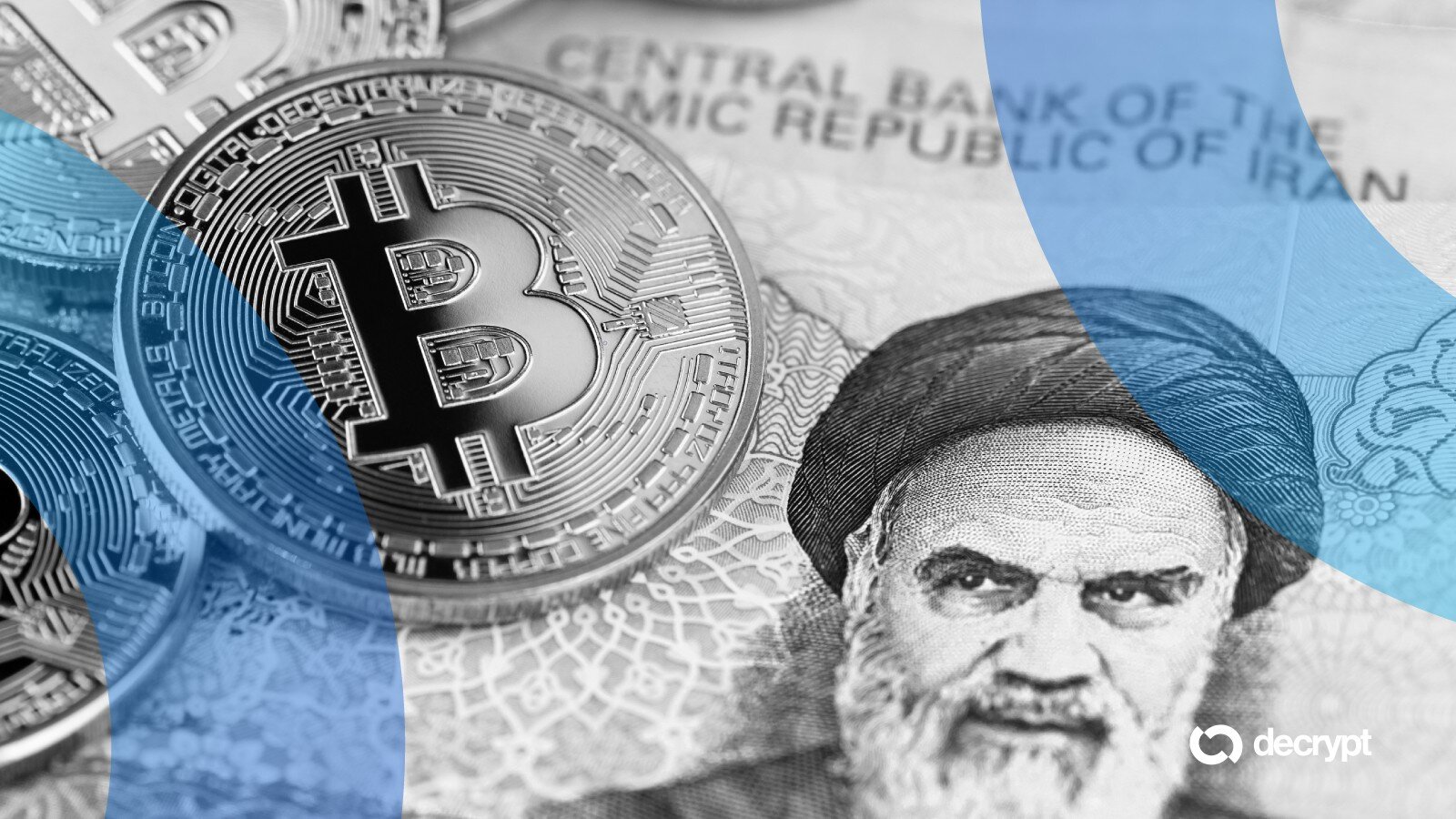
The US Treasury has sanctioned crypto exchange BitBank after hundreds of millions in Bitcoin moved to Iran's Revolutionary Guards from Hormuz ships.
Source image: decrypt.co
decrypt.coOverview of the Sanctions Action
In a decisive move addressing illicit finance, the United States Treasury Department has targeted the cryptocurrency exchange BitBank with comprehensive sanctions. According to the Office of Foreign Assets Control (OFAC), BitBank served as a crucial financial conduit, processing hundreds of millions of dollars in Bitcoin over a span of just two months. Investigators revealed that these digital asset flows originated from mandatory tolls levied on commercial vessels passing through the Strait of Hormuz, with the proceeds ultimately funneling directly into the hands of Iran's Islamic Revolutionary Guard Corps (IRGC).
The Mechanics of Iran's Crypto Tolls
The operation highlights a sophisticated adaptation of traditional state-backed maritime coercion into the digital age. By compelling or extracting Bitcoin payments from commercial ships navigating one of the world's most vital energy transit chokepoints, Iranian authorities managed to bypass traditional banking restrictions. The choice of Bitcoin as a settlement medium allowed state actors to leverage the borderless and pseudonymous nature of public blockchains, moving immense sums rapidly past international financial checkpoints.
Why This Matters for Global Executives
For corporate executives, compliance officers, and institutional investors, this enforcement action reinforces several critical operational realities:
- Escalating Regulatory Scrutiny: Regulators globally are intensifying their focus on digital asset service providers that fail to implement robust anti-money laundering (AML) and know-your-customer (KYC) controls.
- Geopolitical Risk Exposure: Supply chain and maritime logistics operators must account for non-traditional financial demands, such as illicit digital asset tolls in high-risk zones.
- Blockchain Traceability: While illicit actors utilize crypto for speed, the immutable ledger ensures that transactions remain transparent to forensic investigators, leading inevitably to severe punitive actions.
Market Implications for the Digital Asset Ecosystem
The sanctioning of BitBank is expected to send immediate ripples across the broader cryptocurrency market. Centralized and decentralized exchanges alike face heightened pressure to prove their compliance resilience. Market participants should anticipate:
- Stricter onboarding requirements and continuous blockchain monitoring across all trading platforms.
- Increased compliance costs for fintech firms operating near high-risk jurisdictions.
- Greater cooperation between blockchain analytics firms and international law enforcement agencies.
What Investors and Entrepreneurs Should Watch
As regulatory frameworks tighten around cross-border digital asset movements, stakeholders must monitor key indicators moving forward. Watch for subsequent enforcement actions against secondary wallets or intermediary services linked to BitBank. Furthermore, evaluate how compliance technology providers adapt their tools to intercept state-sponsored evasion tactics in real-time. For further details and ongoing updates, readers can verify the original announcement through Decrypt.
Continue reading
Related coverage in Crypto
cointelegraph.com
Trump Schedules Third Memecoin Holder Dinner Amid Growing Corruption Scrutiny
President Trump is set to host his third exclusive memecoin dinner for top token holders at his Washington, DC golf club, drawing renewed ethical and market scrutiny.
3 min read
cointelegraph.com
50,000 Europeans Petition EU to Relax MiCA Stablecoin Reward Restrictions
A new 50,000-letter campaign is urging Brussels to ease stablecoin rewards restrictions during the MiCA review, aligning with broader central bank pushes.
2 min read
cryptonews.com
Dogecoin Eyes $1 Milestone as DogeOS Testnet Launch Sparks Utility Speculation
Dogecoin trades at $0.09447 as the DogeOS testnet goes live. Traders eye the $0.098 resistance and psychological $0.10 mark amid fresh utility potential.
2 min read
decrypt.co
Bitcoin Enters 'Uptober' Amid Fed Rate Hike Pressures and 5.3% Treasury Yields
Bitcoin enters its historically strongest month following a record September, yet rising Federal Reserve rate hike fears and 5.3% Treasury yields present major hurdles.
2 min read