US-Canada Trade War Escalates: Trump Administration Imposes Sweeping Bans on Canadian Alcohol and Dairy
The Trump administration has announced an unprecedented ban on imports of Canadian alcohol, select dairy products, and motorcycles, sharply escalating bilateral trade tensions.
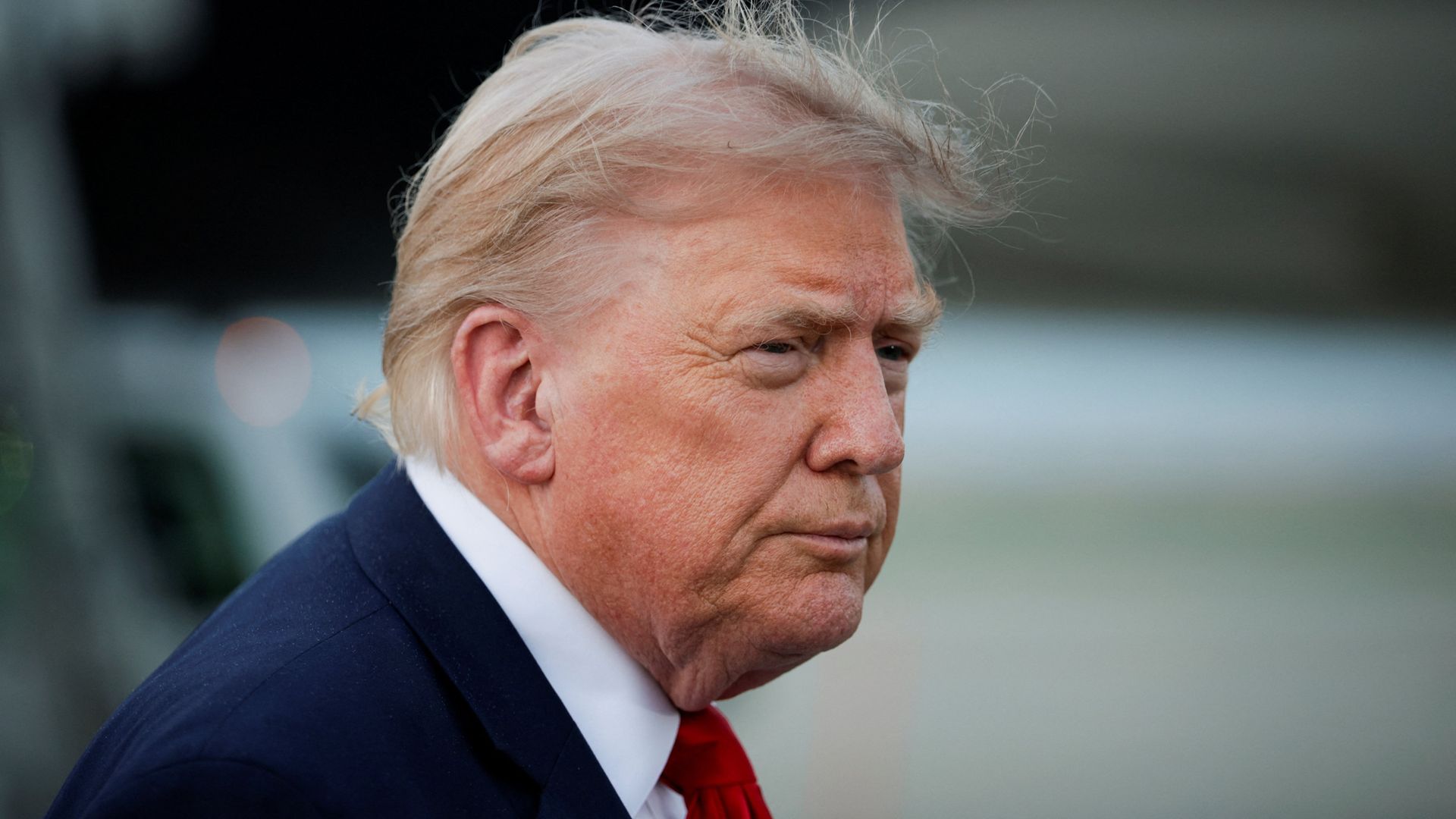
Source image: skynews.com
skynews.comTrade War Reaches New Heights With Direct Import Bans
The economic relationship between the United States and Canada has entered turbulent waters following a series of aggressive executive proclamations from the White House. President Donald Trump announced that the United States will institute total import bans on specific categories of Canadian goods, most notably alcoholic beverages, select dairy items, and heavy motorcycles. Scheduled to take effect on September 29, the measures mark a sharp departure from decades of largely integrated and harmonious cross-border commerce.
The latest protectionist escalation follows the collapse of high-stakes trade negotiations last month, which initially resulted in sweeping 50 percent tariffs on nearly $28 billion worth of Canadian goods. In response, Ottawa enacted reciprocal counter-tariffs targeting key American exports, while several Canadian provinces maintained restrictions preventing the sale of U.S. spirits in state- or provincial-run liquor networks. Citing what the administration terms ongoing discrimination against American commercial interests, the White House chose to pivot from heavy tariffs to outright import prohibitions.
Economic Impact and Sectoral Vulnerabilities
While administration officials estimate the direct scope of the new bans affects a "single-digit billion" dollar bracket of total Canadian imports, the systemic shock to specific industries is disproportionately severe. Key areas facing total market exclusion in the United States include:
- Alcoholic Beverages: Certain categories of Canadian beer, wine, cider, bourbon, and vodka face complete entry restrictions.
- Dairy and Agricultural Derivatives: Specialized products, including specific whey protein derivatives and select cheeses, are targeted.
- Manufacturing and Consumer Goods: Certain heavy motorcycles and molasses have been added to the prohibited inventory list.
Simultaneously, the administration adjusted its broader tariff schedules, levying 50 percent duties on additional items like specialized cheeses and select manufacturing inputs while offering relief to specific consumer goods such as toilet paper and fishing equipment. This granular approach illustrates a targeted strategy designed to maximize pressure on provincial supply chains.
Market Implications and Investor Guidance
For institutional investors, executives, and sector analysts, this escalation signals a prolonged period of regulatory volatility. The cross-border friction increases input costs, complicates distribution logistics, and threatens profit margins for multinational food and beverage enterprises with footprints spanning North America.
Furthermore, the risk of secondary retaliation from the Canadian government remains elevated. As Ottawa weighs further countermeasures, market participants should maintain vigilance across several key areas:
- Beverage and Hospitality Stocks: Monitor supply chain adjustments and alternative sourcing strategies for major distilleries and breweries exposed to North American distribution shifts.
- Bilateral Trade Rhetoric: Track diplomatic channels for any signs of renewed negotiations or whether provincial authorities adjust their internal stances on U.S. alcohol sales.
Secondary Industrial Impacts: Assess how retaliatory measures affect manufacturing inputs, automotive components, and agricultural commodities traded across the northern border.
As the September 29 implementation date approaches, market volatility is expected to intensify within affected sub-sectors. Investors are advised to stress-test their portfolios against prolonged cross-border regulatory friction and prepare for a fundamentally restructured North American trade landscape.
Continue reading
Related coverage in Business
nytimes.com
David Ellison Targets CNN Leadership Continuity in Paramount Merger Talks
David Ellison is currently negotiating to retain CNN CEO Mark Thompson without oversight from CBS editor in chief Bari Weiss as parent companies navigate merger plans.
2 min read
bbc.com
Decoding Nike’s Slump: How Strategic Missteps Cost the Sportswear Titan Its Edge
Explore the factors behind Nike's dramatic market decline. Industry analysts dissect the self-inflicted strategic errors that shook the sportswear giant.
3 min read
bbc.com
Treasury Committee Directs HMRC to Investigate Tax Implications of Manchester City Case
The UK Treasury Committee has called on HMRC to closely examine potential tax ramifications arising from the high-profile Manchester City legal verdict.
3 min read
nytimes.com
US Imposes Sanctions on Russian Firm A7 Over Global Shell Company Evasion Schemes
The United States targets Russian financial firm A7 with new sanctions following reports of utilizing global shell companies to bypass existing economic restrictions.
3 min read