Unlocking Executive Communication: Why Benjamin Franklin’s Writing Drill Outperforms Modern AI
Discover how a rigorous, centuries-old writing methodology used by Benjamin Franklin continues to outperform modern shortcuts and AI tools in sharpening executive thought.
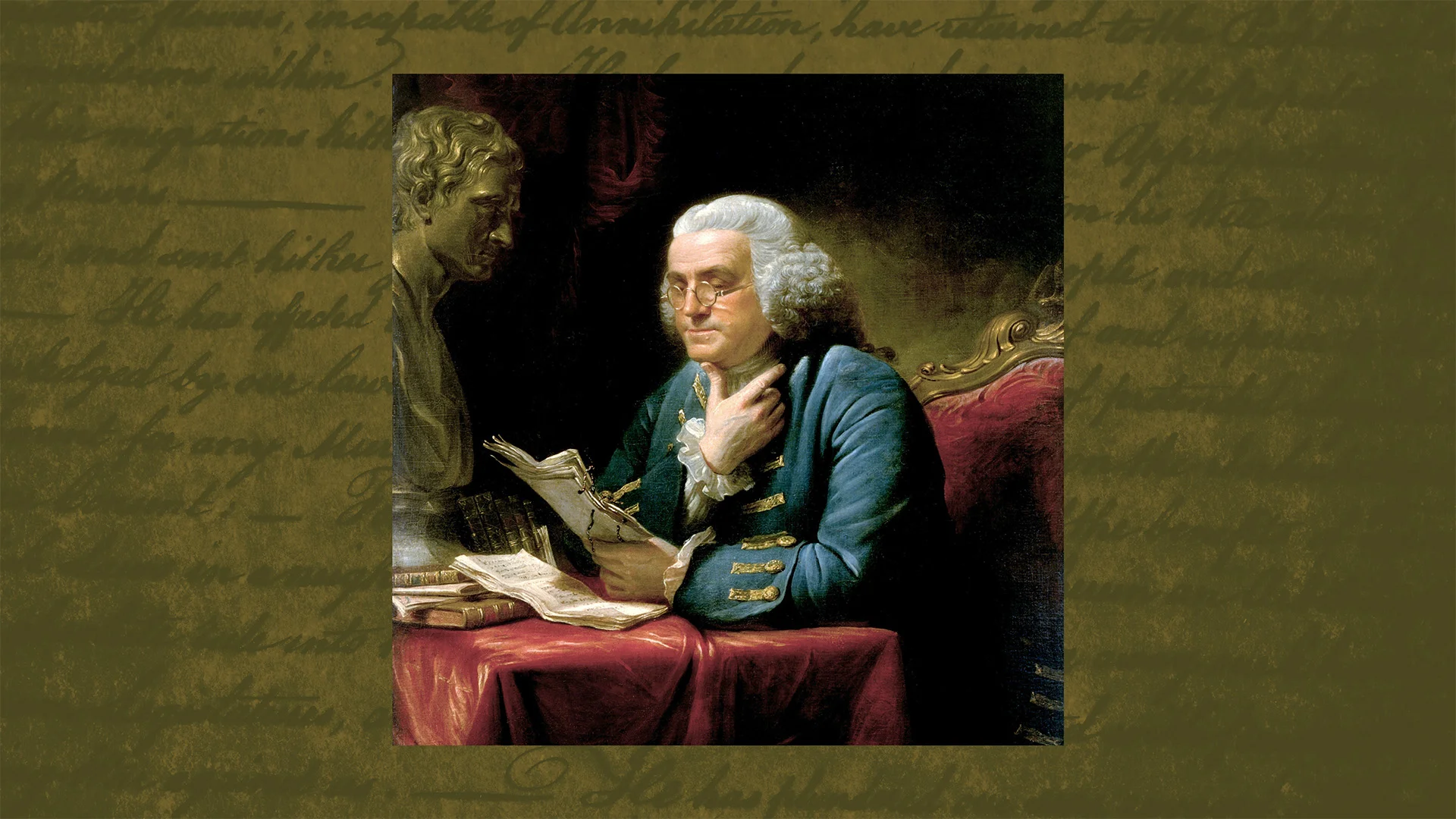
Source image: inc.com
inc.comThe Cognitive Crisis in Modern Leadership
In today's hyper-accelerated business landscape, executive communication often gets outsourced to algorithms, generative AI platforms, or rushed delegation. Yet, cognitive scientists and industry leaders repeatedly emphasize that the arduous act of writing is fundamentally an act of thinking. When leaders bypass the friction of drafting and structuring complex arguments themselves, they risk eroding their own strategic clarity and decision-making capabilities. Mastery over the written word remains an elite, highly defensible asset for any entrepreneur or C-suite executive navigating high-stakes environments.
Deconstructing the Franklin Method
Long before he helped draft the foundational documents of American democracy, a young Benjamin Franklin recognized his own stylistic limitations and set out to systematically conquer them. His self-directed curriculum was grueling, eschewing passive reading for active structural deconstruction. The multi-step methodology requires immense discipline:
- Selection: Identifying and sourcing exemplary prose from respected contemporary publications or essays.
- Note-Taking: Jotting down brief, high-level reminder notes capturing the core argument and flow of the original piece.
- Incubation: Setting the source material aside long enough to clear immediate short-term memory.
- Reconstruction: Rebuilding the article or essay strictly from memory using only the skeleton notes.
- Auditing: Rigorously comparing the freshly reconstructed draft against the original text to identify vocabulary gaps, logical leaps, and stylistic flaws.
Franklin later pushed his boundaries even further by translating prose drafts into structured poetry and back into prose, forcing his mind to scour for precise vocabulary under strict metric constraints.
Why Active Learning Trumps Algorithmic Shortcuts
The marketplace is currently saturated with automated writing assistants promising frictionless efficiency. However, modern neuroscience underscores a vital distinction between passive consumption and active generation. Cognitive research demonstrates that human brains retain information and build robust mental models significantly better when individuals generate content through active struggle. Outsourcing cognitive synthesis to software strips away the neurological benefits of wrestling with complex concepts. True mental acuity is forged precisely where the work is hardest.
Market Implications for Executives and Enterprises
For founders, investors, and corporate leaders, the ability to articulate a clear, persuasive thesis directly influences capital allocation, investor relations, and organizational alignment. Companies led by executives who prioritize rigorous critical thinking and precise written articulation routinely outperform those reliant on opaque, generic communication. Cultivating internal writing discipline transforms organizational culture, ensuring that strategic initiatives are understood, challenged, and executed with absolute clarity.
What Investors and Leaders Should Watch
As generative tools flood the corporate ecosystem with homogenized text, authentic, high-conviction human writing will command a massive premium. Market participants should monitor how organizations balance technological efficiency with cognitive rigor. Enterprises that invest in human-centric skill development, clear intellectual discourse, and rigorous mental training will likely foster stronger leadership pipelines and achieve superior long-term valuations.
Continue reading
Related coverage in Business
nytimes.com
David Ellison Targets CNN Leadership Continuity in Paramount Merger Talks
David Ellison is currently negotiating to retain CNN CEO Mark Thompson without oversight from CBS editor in chief Bari Weiss as parent companies navigate merger plans.
2 min read
bbc.com
Decoding Nike’s Slump: How Strategic Missteps Cost the Sportswear Titan Its Edge
Explore the factors behind Nike's dramatic market decline. Industry analysts dissect the self-inflicted strategic errors that shook the sportswear giant.
3 min read
bbc.com
Treasury Committee Directs HMRC to Investigate Tax Implications of Manchester City Case
The UK Treasury Committee has called on HMRC to closely examine potential tax ramifications arising from the high-profile Manchester City legal verdict.
3 min read
nytimes.com
US Imposes Sanctions on Russian Firm A7 Over Global Shell Company Evasion Schemes
The United States targets Russian financial firm A7 with new sanctions following reports of utilizing global shell companies to bypass existing economic restrictions.
3 min read