Unilever Puts Historic Colman’s Mustard Up for Sale to Clear Path for Landmark McCormick Merger
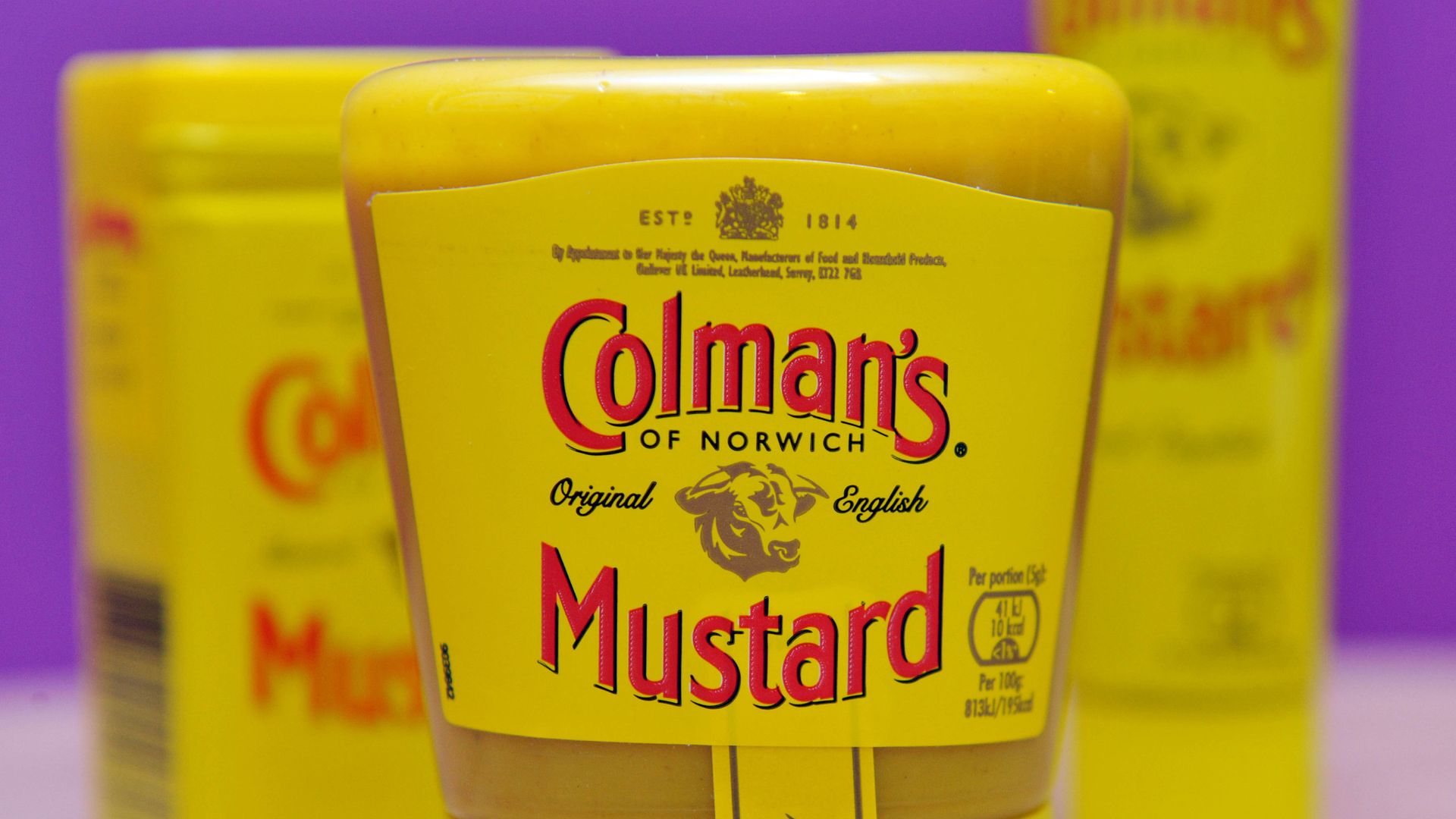
Consumer goods giant Unilever has enlisted bankers to sell the 200-year-old Colman’s mustard brand, clearing regulatory hurdles for its massive £48bn food division merger.
Source image: skynews.com
skynews.comA Strategic Divestment to Satisfy Global Regulators
In a decisive move that highlights the intricate complexities of cross-border mega-mergers, consumer goods powerhouse Unilever has officially placed its historic Colman’s Mustard brand on the market. The 200-year-old British culinary staple, deeply embedded in the UK's heritage, is being carved out from Unilever’s broader food division ahead of its monumental transaction with American spice and seasoning giant McCormick & Co.
The decision comes in the wake of Unilever's announcement to offload its extensive food operations in a deal valuing the combined enterprise at approximately £48 billion ($66 billion). However, antitrust lawyers and corporate advisers identified an immediate regulatory roadblock: McCormick already maintains a dominant presence in the condiment sector through its ownership of French’s Mustard. Consolidating Colman's under the same corporate umbrella would likely trigger severe anti-competition scrutiny, threatening to stall or derail the broader transaction altogether.
Regulatory Preventions and Antitrust Safeguards
By appointing investment bankers from Rothschild to handle the competitive sale process of Colman’s, Unilever is adhering to a well-trodden playbook utilized by multinational corporations facing regulatory pushback. Proactively divesting overlapping assets allows merging entities to appease watchdog agencies—such as the UK’s Competition and Markets Authority (CMA) and the US Federal Trade Commission (FTC)—before formal objections can block a deal.
Key elements of the ongoing corporate restructuring include:
- The Scope of the Sale: Colman’s brand assets, manufacturing footprints, and operational units are being marketed independently to prospective trade and private equity buyers.
- Continuity of Operations: Unilever has reassured stakeholders that day-to-day operations, supply chains, and retail distributions remain unaffected while strategic discussions progress.
- Timeline to Completion: The overarching merger with McCormick is slated to close by mid-2027, subject to customary shareholder approvals and regulatory clearances.
Market Implications for Investors and Competitors
For institutional investors and market analysts, the carve-out of Colman’s represents a calculated sacrifice to secure a much larger strategic objective. The broader integration encompasses powerhouse global brands like Hellmann’s, Knorr, Marmite, and Pot Noodle, which offer significantly broader international scalability than the distinctly localized appeal of Colman's.
While Colman’s commands immense loyalty within the United Kingdom—traditionally associated with Sunday roasts and holiday dining—its footprint outside of domestic British markets remains relatively modest. Industry observers suggest that private equity firms or rival independent food conglomerates could view the asset as a premier standalone acquisition opportunity with untapped international growth potential.
What Investors Should Watch Moving Forward
As the transaction timeline advances toward its 2027 completion window, market participants should monitor several critical milestones:
- Antitrust Review Progress: Formal responses from the CMA and FTC regarding whether the Colman's divestment completely satisfies market concentration thresholds.
- Valuation and Bidding Interest: The identity of potential buyers and the ultimate financial yield commanded by such a historic British heritage brand.
- Shareholder Sentiment: McCormick and Unilever shareholder votes regarding the final structure of the combined food entity.
Ultimately, while the separation marks the end of an era for Colman's under the Unilever banner, it underscores the ruthless prioritization required when executing multi-billion-pound corporate transformations in today's tightly regulated global economy.
Continue reading
Related coverage in Business
nytimes.com
David Ellison Targets CNN Leadership Continuity in Paramount Merger Talks
David Ellison is currently negotiating to retain CNN CEO Mark Thompson without oversight from CBS editor in chief Bari Weiss as parent companies navigate merger plans.
2 min read
bbc.com
Decoding Nike’s Slump: How Strategic Missteps Cost the Sportswear Titan Its Edge
Explore the factors behind Nike's dramatic market decline. Industry analysts dissect the self-inflicted strategic errors that shook the sportswear giant.
3 min read
bbc.com
Treasury Committee Directs HMRC to Investigate Tax Implications of Manchester City Case
The UK Treasury Committee has called on HMRC to closely examine potential tax ramifications arising from the high-profile Manchester City legal verdict.
3 min read
nytimes.com
US Imposes Sanctions on Russian Firm A7 Over Global Shell Company Evasion Schemes
The United States targets Russian financial firm A7 with new sanctions following reports of utilizing global shell companies to bypass existing economic restrictions.
3 min read