Unconventional Diplomacy: How a Golf Course Conversation Upended U.S. Trade Tariffs on Irish Whiskey
President Donald Trump's surprise removal of the 10% Irish whiskey tariff following an appeal by a pro golfer highlights the volatile nature of modern trade policy.
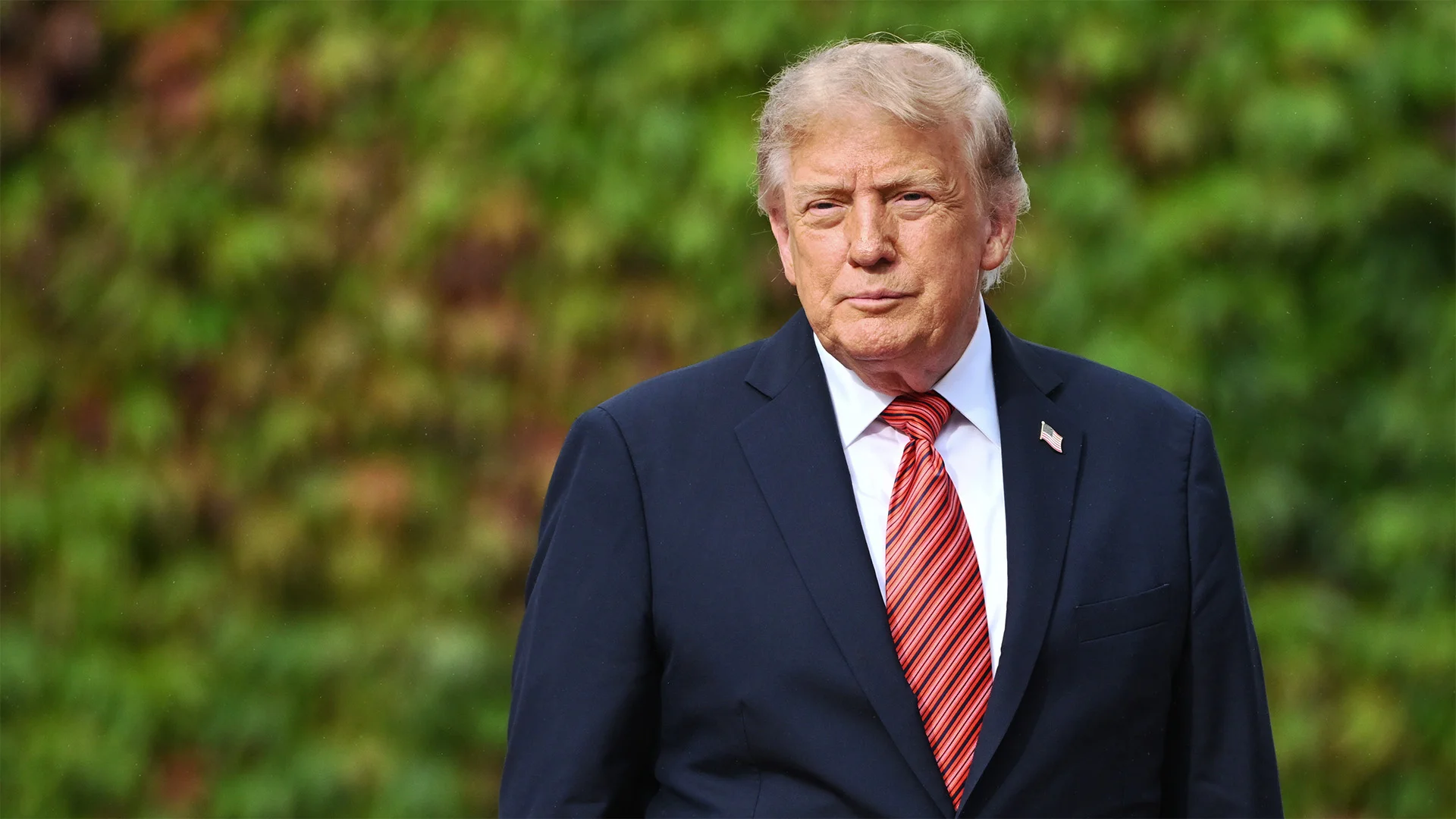
Source image: inc.com
inc.comThe Power of Informal Lobbying in Global Trade
In modern international economics, corporate strategy usually relies on meticulous lobbying campaigns, trade associations, and multi-month economic analyses. However, a recent announcement by President Donald Trump at his golf resort in Doonbeg, County Clare, turned conventional trade diplomacy on its head. During the trophy ceremony for the Irish Open, Trump publicly declared that he would lift the 10 percent tariff on Irish whiskey. The decision followed direct appeals from Irish Prime Minister Micheál Martin and tournament winner Shane Lowry.
This unorthodox policy shift illustrates the immense concentration of power within the executive branch regarding tariff execution. While institutional bodies and trade groups spent months formulating formal arguments, it took an informal, high-profile setting and personal rapport to secure a concession that impacts millions of dollars in cross-border trade.
Economic Significance for the Global Spirits Market
The United States remains the single largest export market for Irish whiskey, accounting for roughly one in every three bottles sold globally. The imposition of a 10 percent tariff in February 2025—which briefly spiked to 15 percent before returning to 10 percent—created severe headwinds for major distillers, resulting in a measurable contraction in export volumes.
Industry stakeholders, including the Distilled Spirits Council of the United States and the Irish Whiskey Association, immediately welcomed the reversal. Beyond pure retail sales, the tariff removal stabilizes an integrated transatlantic supply chain. Irish distillers heavily rely on American oak casks imported from states like Kentucky and Tennessee for aging their spirits. Restoring tariff-free trade protects thousands of upstream and downstream jobs across both regions, offering much-needed predictability for hospitality and retail businesses heading into the critical holiday shopping season.
Market Implications and Regulatory Volatility
While spirits manufacturers and consumers celebrate the immediate cost relief, institutional investors view such abrupt policy reversals with cautious complexity. The decision mirrors a similar waiver granted earlier in the year to U.K. whiskey following a high-profile diplomatic visit by British royals, creating temporary market imbalances between Northern Ireland and the Republic of Ireland.
Economic analysts point out that when significant trade barriers can be erected or dismantled based on ad-hoc executive discretion, long-term capital allocation becomes hazardous. Corporations find it increasingly difficult to model future operational costs, currency hedging, and inventory investments when macroeconomic rules are subject to sudden real-time alteration.
- Executive Discretion: Tariffs continue to function as direct instruments of presidential will, bypassing traditional legislative checks.
- Supply Chain Interdependence: The cross-border cask trade between U.S. cooperages and Irish distilleries is set to rebound, improving capacity utilization.
- Competitive Shifts: With Canadian alcohol imports facing severe 50 percent tariffs, the elimination of duties on Irish spirits positions the category favorably against regional competitors in the U.S. market.
What Investors Should Watch
For institutional investors and sector executives, this event serves as a stark reminder of geopolitical risk management. Moving forward, stakeholders should monitor how quickly the administration formalizes the exemption in writing, as well as potential legal or legislative pushback against unilateral tariff adjustments. Furthermore, investors must evaluate whether similar consumer goods categories facing current tariff pressures might seek unconventional avenues for relief, introducing a new variable into equity valuations across the global consumer staples sector.
Continue reading
Related coverage in Business
nytimes.com
David Ellison Targets CNN Leadership Continuity in Paramount Merger Talks
David Ellison is currently negotiating to retain CNN CEO Mark Thompson without oversight from CBS editor in chief Bari Weiss as parent companies navigate merger plans.
2 min read
bbc.com
Decoding Nike’s Slump: How Strategic Missteps Cost the Sportswear Titan Its Edge
Explore the factors behind Nike's dramatic market decline. Industry analysts dissect the self-inflicted strategic errors that shook the sportswear giant.
3 min read
bbc.com
Treasury Committee Directs HMRC to Investigate Tax Implications of Manchester City Case
The UK Treasury Committee has called on HMRC to closely examine potential tax ramifications arising from the high-profile Manchester City legal verdict.
3 min read
nytimes.com
US Imposes Sanctions on Russian Firm A7 Over Global Shell Company Evasion Schemes
The United States targets Russian financial firm A7 with new sanctions following reports of utilizing global shell companies to bypass existing economic restrictions.
3 min read