UK Retail Titans Deliver Stark Warning to Prime Minister Over Impending Budget Tax Hikes
Major UK retailers including Tesco, M&S, and Asda warn Prime Minister Andy Burnham that planned business rate hikes could cripple high street stores and derail cost-of-living initiatives.
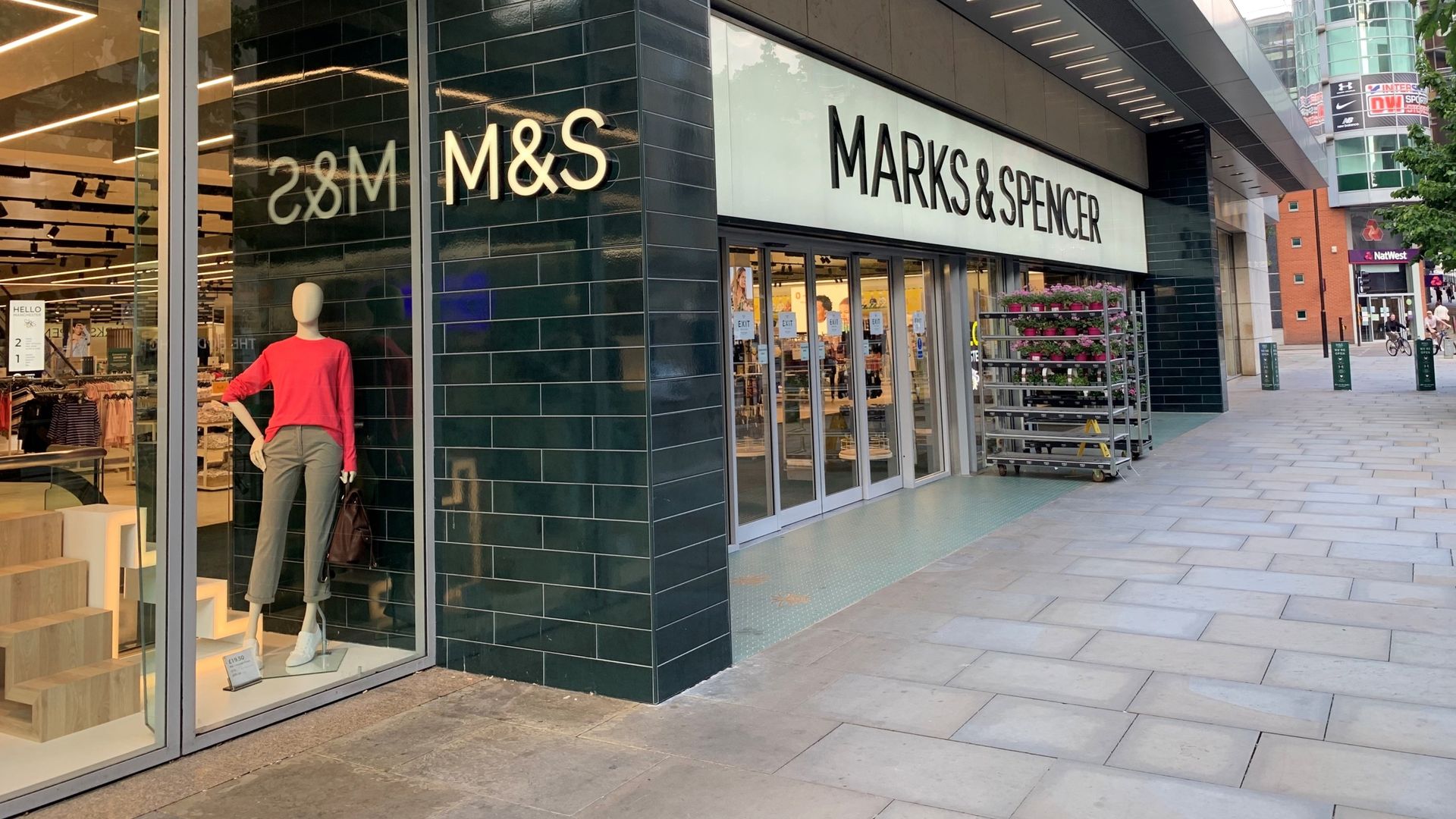
Source image: skynews.com
skynews.comThe High Stakes of the Upcoming Autumn Budget
As the United Kingdom approaches its highly anticipated autumn fiscal statement, tensions between corporate heavyweights and Downing Street have reached a critical juncture. A coalition representing the nation's premier retail employers—collectively accounting for nearly one million jobs—has formally cautioned Prime Minister Andy Burnham against executing a renewed tax raid targeting large commercial properties. The intervention highlights deep-seated industry anxieties that fiscal policy adjustments could severely impair corporate resilience.
At the center of the dispute is the potential upward revision of the higher business rates multiplier for retail sites boasting a rateable value exceeding £500,000. Executives argue that targeting these essential properties will not only squeeze profit margins but also trigger cascading negative effects across local economies, supply chains, and consumer pricing frameworks.
Industry Leaders Sound the Alarm on Store Viability
In a joint communique dispatched to the Prime Minister, the Retail Jobs Alliance articulated the severe operational strains facing high-street anchors. Major players including Tesco, Marks & Spencer, and Asda emphasized that approximately 4,000 large stores exceeding the £500,000 threshold account for roughly one-third of the total retail workforce nationwide.
Key points raised by retail leaders include:
- Threat to Regional Infrastructure: Large supermarkets and department stores often serve as critical anchor tenants, driving foot traffic to surrounding small businesses and town centers.
- Cost-of-Living Conflict: Additional corporate tax burdens directly challenge ongoing efforts to keep consumer grocery and household merchandise prices stable.
- Employment Pressures: Heightened overhead costs risk forcing executive boards to curtail capital expenditure, freeze hiring initiatives, or contemplate localized store closures.
Macroeconomic Implications and Market Sentiment
The timing of this friction coincides with broader macroeconomic anxieties regarding fiscal deficits, public borrowing figures, and structural reforms. While the administration faces mounting pressure to plug gaps in public finances, corporate stakeholders argue that extracting capital from the retail sector risks choking the very engine driving domestic commerce and employment.
Financial markets are closely tracking the rhetoric emanating from Westminster. Investors are increasingly wary that a heavy-handed fiscal approach could damp equity valuations for consumer discretionary and staple stocks listed on the London Stock Exchange. Analysts note that continuous regulatory headwinds—ranging from statutory wage increases to shifting employment rights and business rate structures—are forcing companies to re-evaluate their long-term UK capital allocation strategies.
What Investors and Executives Should Watch
As the Treasury finalizes its fiscal strategy ahead of the budget address, market participants and corporate strategists should monitor several key indicators:
- The Final Tax Multiplier: Watch for any formal concessions or adjustments regarding the higher business rates multiplier in official government documentation.
- Corporate Margin Guidance: Review upcoming quarterly earnings reports from major grocery and general merchandise chains to gauge how management teams plan to absorb potential regulatory costs.
- Consumer Spending Metrics: Track retail sales data and inflation prints to measure the extent to which corporate cost pressures are being passed down to end consumers.
Ultimately, the administration must navigate a delicate balancing act between fiscal consolidation and economic stimulation. Failure to address the core concerns of high-street giants could inadvertently undermine the government's own growth objectives, leaving corporate executives with little choice but to defensively restructure their physical retail footprints.
Continue reading
Related coverage in Business
nytimes.com
David Ellison Targets CNN Leadership Continuity in Paramount Merger Talks
David Ellison is currently negotiating to retain CNN CEO Mark Thompson without oversight from CBS editor in chief Bari Weiss as parent companies navigate merger plans.
2 min read
bbc.com
Decoding Nike’s Slump: How Strategic Missteps Cost the Sportswear Titan Its Edge
Explore the factors behind Nike's dramatic market decline. Industry analysts dissect the self-inflicted strategic errors that shook the sportswear giant.
3 min read
bbc.com
Treasury Committee Directs HMRC to Investigate Tax Implications of Manchester City Case
The UK Treasury Committee has called on HMRC to closely examine potential tax ramifications arising from the high-profile Manchester City legal verdict.
3 min read
nytimes.com
US Imposes Sanctions on Russian Firm A7 Over Global Shell Company Evasion Schemes
The United States targets Russian financial firm A7 with new sanctions following reports of utilizing global shell companies to bypass existing economic restrictions.
3 min read