UK Agriculture Faces Existential Threat: Drought-Stricken Harvest Signals National Security Concerns
A devastating drought is crippling UK food production, raising alarms about national security and the resilience of the agricultural sector. The current harvest could be the worst on record, with far-reaching implications for consumers and the economy.
Source image: skynews.com
skynews.comUK Agriculture Under Siege: Drought-Induced Harvest Crisis Sparks National Security Fears
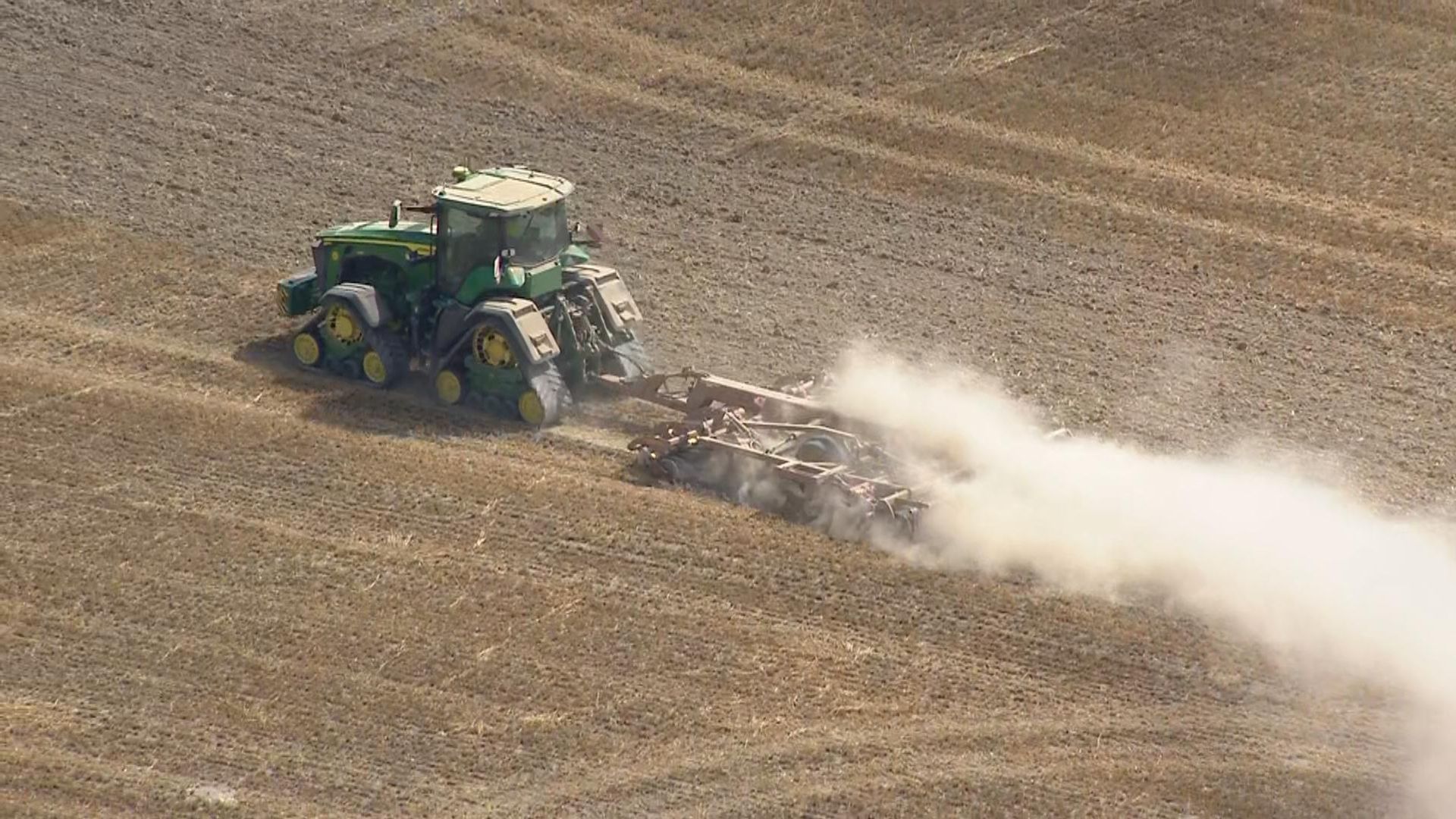
The United Kingdom's agricultural sector is facing an existential challenge, as a relentless drought has cast a long shadow over the current harvest season. What was once a verdant landscape, famously described by William Blake, has transformed into a parched, 'sickly yellow' expanse, signaling a potential harvest that could be the worst on record. This environmental calamity is not merely an agricultural setback; it has escalated into a pressing national security concern, demanding immediate attention from policymakers, industry leaders, and investors alike.
The severity of the drought has led to widespread crop failure and diminished yields across the country. Farmers, who are the bedrock of the nation's food supply, are reporting unprecedented losses, with many facing dire financial straits. The lack of adequate rainfall has stunted growth, reduced grain quality, and significantly impacted livestock farming due to depleted pastures and water sources. This direct assault on domestic food production has ignited a critical debate about the UK's food sovereignty and its vulnerability to climate-induced disruptions.
Why This Crisis Matters: Beyond the Farm Gate
The ramifications of a 'brutal' harvest extend far beyond the immediate financial impact on farmers. This crisis has profound implications for the entire UK economy and its citizens:
- Food Security: A significant reduction in domestic food production inevitably leads to increased reliance on food imports. This not only exposes the UK to global supply chain vulnerabilities and price fluctuations but also raises questions about the nation's ability to feed itself in times of international instability.
- Inflationary Pressures: Reduced supply from domestic sources, coupled with potentially higher import costs, is likely to drive up food prices for consumers. This will exacerbate the ongoing cost-of-living crisis, disproportionately affecting lower-income households.
- Economic Stability: The agricultural sector is a vital component of the UK economy, supporting numerous ancillary industries and providing employment to hundreds of thousands. A sustained downturn in this sector could trigger broader economic instability and job losses.
- National Resilience: The drought underscores the urgent need for greater national resilience in the face of climate change. It highlights the imperative to invest in sustainable farming practices, water management infrastructure, and innovative agricultural technologies to safeguard future food supplies.
Market Implications and Investor Watchpoints
For executives, investors, and entrepreneurs, the current agricultural crisis presents both challenges and opportunities. Understanding the market implications is crucial for strategic decision-making:
- Agricultural Commodities: Expect upward pressure on prices for domestically produced grains, vegetables, and livestock products. This could create opportunities for investors in agricultural futures and related derivatives, though volatility will likely be high.
- Food Retail and Manufacturing: Companies in the food retail and manufacturing sectors will face increased input costs, potentially impacting profit margins. Those with diversified supply chains and strong hedging strategies may be better positioned to weather the storm.
- Agricultural Technology (Agri-Tech): The crisis underscores the critical need for innovation in agri-tech. Investments in drought-resistant crops, precision irrigation systems, vertical farming, and other climate-resilient agricultural solutions are likely to see increased interest and funding.
- Water Management: Companies specializing in water conservation, purification, and efficient irrigation systems will become increasingly vital. This sector could experience significant growth as the UK seeks to bolster its water infrastructure.
- Logistics and Supply Chain: Any shift towards greater reliance on imports will place additional strain on logistics and supply chain infrastructure. Investors should monitor companies involved in shipping, warehousing, and cold chain management.
What Investors Should Watch
Investors should closely monitor several key indicators:
- Government Policy Responses: Look for immediate and long-term government interventions, including subsidies for farmers, investment in water infrastructure, and policies promoting sustainable agriculture.
- Weather Patterns: Continued monitoring of weather forecasts and climate reports will be crucial for assessing the ongoing severity and potential duration of the drought.
- Global Food Prices: Track international commodity markets for staple foods, as global prices will influence the cost of imports and domestic food inflation.
- Company Earnings Reports: Pay close attention to earnings reports from food producers, retailers, and agri-tech companies for insights into the financial impact of the crisis and strategic adjustments.
The 'brutal' harvest serves as a stark reminder of the interconnectedness of climate, agriculture, and national security. For the UK, it's a wake-up call to prioritize resilience, innovation, and strategic investment in its food systems to ensure a secure and prosperous future.
Continue reading
Related coverage in Business
nytimes.com
David Ellison Targets CNN Leadership Continuity in Paramount Merger Talks
David Ellison is currently negotiating to retain CNN CEO Mark Thompson without oversight from CBS editor in chief Bari Weiss as parent companies navigate merger plans.
2 min read
bbc.com
Decoding Nike’s Slump: How Strategic Missteps Cost the Sportswear Titan Its Edge
Explore the factors behind Nike's dramatic market decline. Industry analysts dissect the self-inflicted strategic errors that shook the sportswear giant.
3 min read
bbc.com
Treasury Committee Directs HMRC to Investigate Tax Implications of Manchester City Case
The UK Treasury Committee has called on HMRC to closely examine potential tax ramifications arising from the high-profile Manchester City legal verdict.
3 min read
nytimes.com
US Imposes Sanctions on Russian Firm A7 Over Global Shell Company Evasion Schemes
The United States targets Russian financial firm A7 with new sanctions following reports of utilizing global shell companies to bypass existing economic restrictions.
3 min read