Uber’s Radical Corporate Overhaul: Why Massive Job Cuts Won’t Translate to Cheaper Fares
Uber's aggressive corporate restructuring and workforce reductions signal a strategic pivot toward automation, leaving consumer pricing out of the equation.
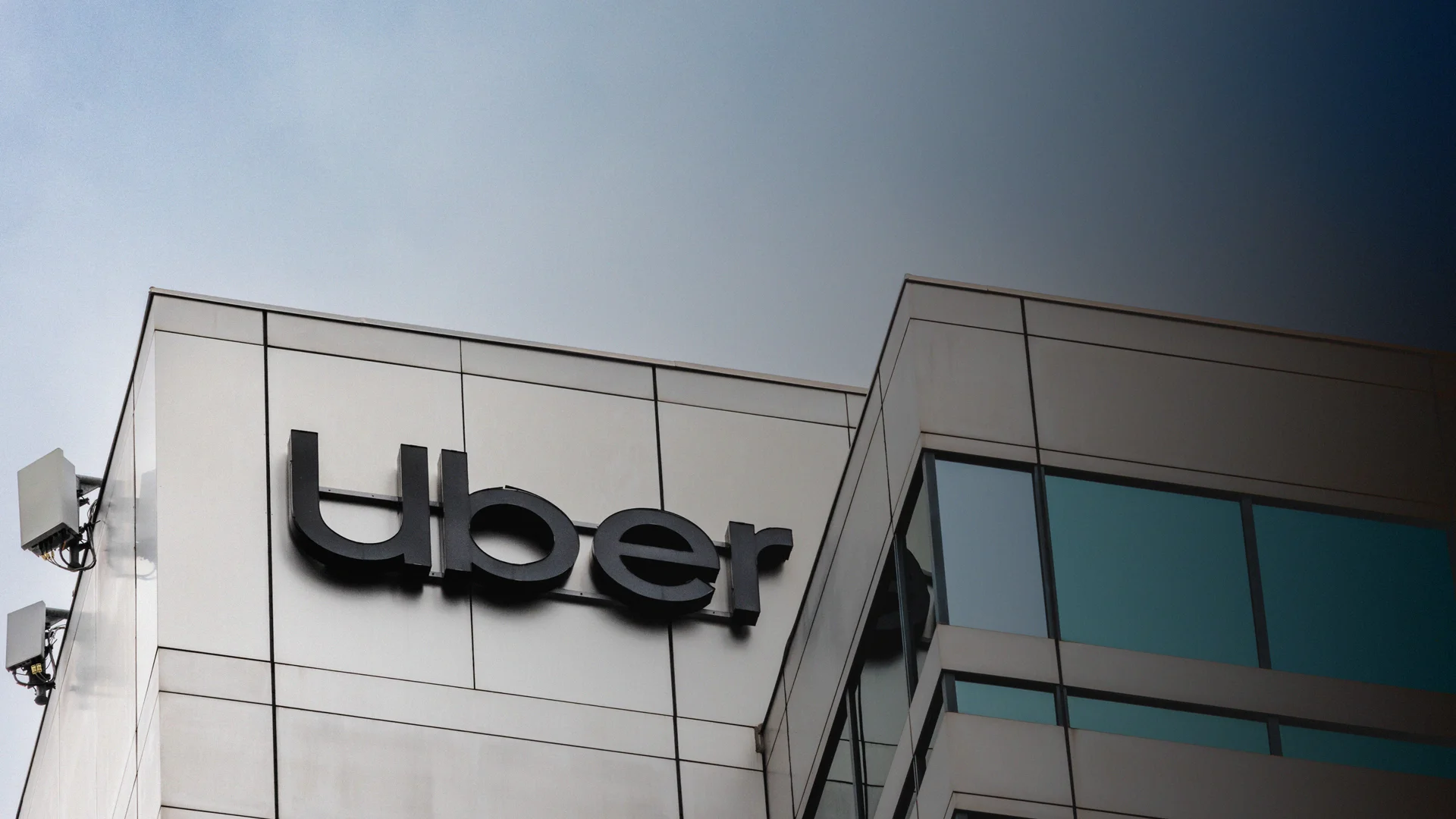
Source image: inc.com
inc.comInside Uber’s Grand Strategic Realignment
Uber Technologies Inc. has officially initiated one of its most expansive corporate restructuring programs since the pandemic era, shedding approximately 10% of its corporate workforce and dismantling nearly a fifth of its management layers. For a company whose financial metrics have consistently outperformed market consensus, this aggressive maneuver is less about immediate financial distress and more about structural optimization. Under the leadership of CEO Dara Khosrowshahi, the ride-hailing and delivery titan is aggressively stripping away 'micro-teams' and bureaucratic redundancies that accumulated during years of rapid expansion.
This corporate slimming down follows prior targeted reductions earlier in the year across human resources and customer service divisions, where automation and artificial intelligence have progressively taken over routine operational functions. However, market observers who anticipate that these widespread efficiencies will trickle down to everyday commuters in the form of cheaper fares are severely misinterpreting corporate intent. Uber’s primary objective is margin enhancement and aggressive reinvestment, not consumer discounting.
Where the Savings Are Actually Flowing
Instead of passing operational savings on to riders, Uber is aggressively redirecting capital toward high-stakes technological evolution. The freed-up resources are being funneled directly into core competitive advantages, including enhanced delivery logistics, advanced machine learning integration, and sprawling autonomous robotaxi partnerships. As legacy tech giants race to dominate the future of autonomous transit, maintaining a lean, agile corporate structure is paramount.
- Capital Reallocation: Savings from middle-management reductions are directly supporting automated dispatch and AI infrastructure.
- Operational Velocity: Eliminating redundant reporting lines allows the company to execute strategic pivots faster than traditional competitors.
- Strict RTO Mandates: Alongside layoffs, Uber is tightening in-office requirements, demanding rigorous physical collaboration from its remaining global workforce.
Market Implications and Shareholder Outlook
From an investment standpoint, Uber’s proactive cost-discipline is a bullish indicator for institutional stakeholders. Wall Street has increasingly rewarded technology firms that prioritize operating leverage over unbridled headcount growth. By shrinking its corporate footprint back toward 2021 levels while scaling top-line gross bookings, Uber is engineering a structurally higher free-cash-flow profile.
However, risks remain. Aggressively pushing automation across customer service and corporate workflows risks alienating segments of its user and driver base if execution stumbles. Furthermore, the immense capital expenditures required to secure long-term leadership in autonomous vehicle networks mean that immediate profitability gains will likely be plowed right back into research and strategic joint ventures.
What Investors Should Watch Next
As Uber continues to execute its multi-phase reorganization, market participants and equity analysts should closely monitor several critical performance indicators over the coming quarters:
- EBITDA Margin Expansion: Track whether the removal of 20% of management layers visibly accelerates operating margin growth.
- Robotaxi Integration Pace: Evaluate the capital efficiency and geographic rollout speed of autonomous vehicle partnerships.
- Driver and Merchant Retention: Ensure that corporate-side automation and customer service cutbacks do not adversely affect supply-side liquidity or driver satisfaction metrics.
Ultimately, Uber is transforming from a sprawling platform into a lean, highly optimized logistics machine. While riders should abandon any hope of discount-driven fare reductions, long-term investors may find plenty to like in a disciplined enterprise engineered for the autonomous future.
Continue reading
Related coverage in Business
nytimes.com
David Ellison Targets CNN Leadership Continuity in Paramount Merger Talks
David Ellison is currently negotiating to retain CNN CEO Mark Thompson without oversight from CBS editor in chief Bari Weiss as parent companies navigate merger plans.
2 min read
bbc.com
Decoding Nike’s Slump: How Strategic Missteps Cost the Sportswear Titan Its Edge
Explore the factors behind Nike's dramatic market decline. Industry analysts dissect the self-inflicted strategic errors that shook the sportswear giant.
3 min read
bbc.com
Treasury Committee Directs HMRC to Investigate Tax Implications of Manchester City Case
The UK Treasury Committee has called on HMRC to closely examine potential tax ramifications arising from the high-profile Manchester City legal verdict.
3 min read
nytimes.com
US Imposes Sanctions on Russian Firm A7 Over Global Shell Company Evasion Schemes
The United States targets Russian financial firm A7 with new sanctions following reports of utilizing global shell companies to bypass existing economic restrictions.
3 min read