Uber Abruptly Exits Nigeria and Uganda in Global Shift Toward Autonomous Mobility
Uber has immediately ceased operations in Nigeria and Uganda as part of a sweeping global restructuring plan that includes massive workforce reductions.
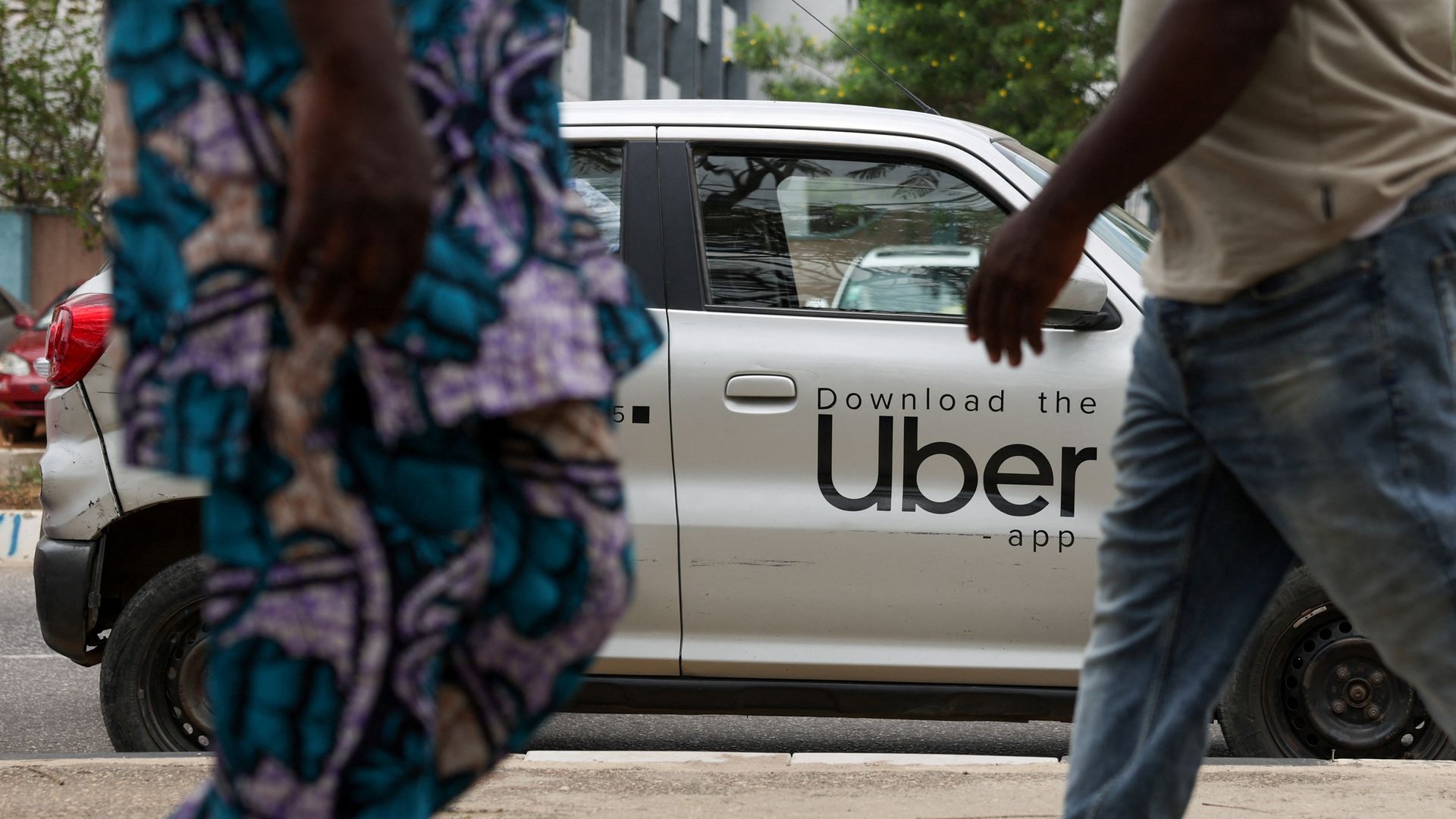
Source image: skynews.com
skynews.comUber Retrenches in Africa Amid Global Restructuring
In a decisive move that has sent ripples through emerging market tech circles, Uber Technologies Inc. has abruptly discontinued its ride-hailing and delivery operations in Nigeria and Uganda. The shutdown, which took effect immediately, marks a significant contraction of the company's footprint in Sub-Saharan Africa and underscores a ruthless prioritization of capital efficiency by corporate leadership.
The sudden exit terminates a 12-year operational history in Nigeria, where Uber first launched in Lagos back in 2014, followed by its expansion into Uganda in 2016. According to company statements, the decision follows a comprehensive review of global business priorities. However, industry analysts note that the dual-market exit is inextricably linked to a wider corporate overhaul designed to streamline operations and reallocate capital toward futuristic, high-margin bets.
Global Workforce Reductions and Capital Reallocation
The simultaneous exit from Nigeria and Uganda forms part of a much larger restructuring initiative announced by Uber CEO Dara Khosrowshahi. Facing mounting pressure to optimize operational expenditures, the company revealed plans to eliminate approximately 3,300 positions—representing nearly 10% of its global workforce. This reduction ranks as one of the largest corporate downsizing events for the company since the COVID-19 pandemic.
Financial institutions estimate that the comprehensive restructuring could unlock hundreds of millions in annual savings. Wall Street observers indicate that these freed-up resources will be aggressively funneled into autonomous mobility initiatives, including robotaxi development and advanced automated logistics infrastructure. By trimming underperforming or margin-compressed international markets, Uber is doubling down on core geographies and scalable, tech-driven transport solutions.
Market Pressures and Local Economic Headwinds
While Uber framed the exits as part of evolving strategic priorities, both Nigeria and Uganda presented severe operational hurdles. In Nigeria, Africa's most populous nation, economic pressures have mounted significantly. Surging inflation, successive fuel subsidy removals, and soaring maintenance costs severely squeezed driver margins. Local drivers frequently voiced discontent over platform commission structures that failed to keep pace with skyrocketing operating expenses, triggering sporadic protests and intensifying competition from aggressive rivals such as Bolt and inDrive.
Despite the abrupt nature of the shutdown—which left some drivers and passengers stranded mid-trip—Uber leadership has insisted that the company remains dedicated to the broader Sub-Saharan African region. Following successive withdrawals from Tanzania and the Ivory Coast over recent years, Uber's remaining footprint on the continent is now consolidated within four primary markets: Egypt, Ghana, Kenya, and South Africa.
Implications for Investors and Stakeholders
For institutional investors, Uber’s decisive withdrawal from unprofitable or challenging regulatory landscapes signals a disciplined approach to capital allocation. By cutting loose operational deadweight, the company is successfully protecting its operating margins and satisfying shareholder demands for lean, high-return business units.
Key metrics and developments for investors to monitor moving forward include:
- Capital Deployment Speed: How effectively redirected funds accelerate the commercial rollout of Uber’s autonomous vehicle and robotaxi partnerships.
- Regional Performance: Stability and growth trajectories within Uber's remaining African strongholds, particularly South Africa, Kenya, Ghana, and Egypt.
- Labor and Regulatory Backlash: Potential fallout from abrupt market exits on regulatory scrutiny in other developing economies where Uber operates.
- Margin Expansion: Whether the targeted workforce reduction of 10% successfully delivers projected multi-billion-dollar cost savings over the upcoming fiscal quarters.
Ultimately, Uber's departure from Nigeria and Uganda closes a chapter on its early-stage international expansion era, replacing it with a mature, highly calculated corporate strategy focused squarely on automation, profitability, and dominant market consolidation.
Continue reading
Related coverage in Business
nytimes.com
David Ellison Targets CNN Leadership Continuity in Paramount Merger Talks
David Ellison is currently negotiating to retain CNN CEO Mark Thompson without oversight from CBS editor in chief Bari Weiss as parent companies navigate merger plans.
2 min read
bbc.com
Decoding Nike’s Slump: How Strategic Missteps Cost the Sportswear Titan Its Edge
Explore the factors behind Nike's dramatic market decline. Industry analysts dissect the self-inflicted strategic errors that shook the sportswear giant.
3 min read
bbc.com
Treasury Committee Directs HMRC to Investigate Tax Implications of Manchester City Case
The UK Treasury Committee has called on HMRC to closely examine potential tax ramifications arising from the high-profile Manchester City legal verdict.
3 min read
nytimes.com
US Imposes Sanctions on Russian Firm A7 Over Global Shell Company Evasion Schemes
The United States targets Russian financial firm A7 with new sanctions following reports of utilizing global shell companies to bypass existing economic restrictions.
3 min read