Turbulence Ahead: How Extreme Heat Is Reshaping Airline Operations and Investor Outlook
Soaring global temperatures are forcing airlines to adapt, with passenger bumping becoming a new reality. Discover the financial and operational impact on the aviation sector.
Source image: inc.com
inc.comThe Heat is On: Aviation Grapples with a Warming Climate
The aviation industry, a cornerstone of global commerce and travel, is increasingly contending with an unexpected and formidable adversary: extreme heat. As global temperatures continue their upward trend, airlines are facing unprecedented operational challenges that are beginning to reshape their business models, flight planning, and ultimately, their profitability. This isn't just about passenger comfort; it's about the fundamental physics of flight and the economic realities of a warming planet.
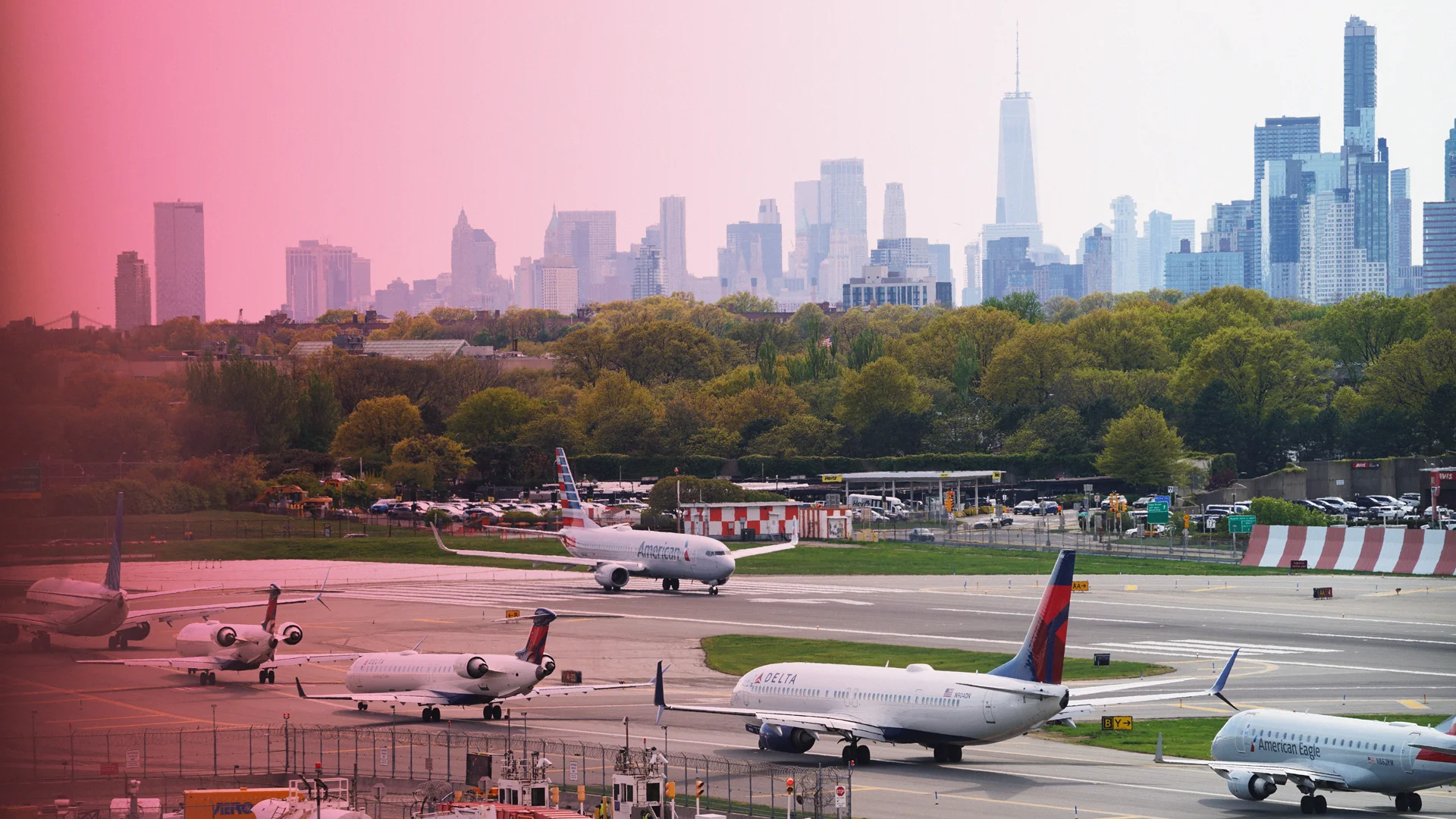
The core issue lies in air density. As temperatures rise, air becomes less dense. For an aircraft to generate sufficient lift for takeoff, it requires a certain amount of air flowing over its wings. In less dense, hotter air, more speed or a longer runway is needed to achieve the same lift. When these conditions are not met, the only viable solution for safe operation is to reduce the aircraft's weight. This often means offloading cargo, reducing fuel, or, most controversially, asking passengers to voluntarily (or involuntarily) give up their seats. A recent incident at a major airport, where temperatures soared to an astonishing 114 degrees Fahrenheit, saw a prominent carrier resort to bumping passengers to ensure flight safety. This scenario, once a rare occurrence, is quickly becoming a more common and concerning reality for both airlines and travelers.
Why This Matters: Operational and Financial Headwinds
The implications of extreme heat on airline operations are far-reaching and complex. Beyond the immediate inconvenience to passengers, there are significant financial and strategic considerations for carriers:
- Revenue Loss: Every bumped passenger or piece of offloaded cargo represents lost revenue. For an industry operating on tight margins, these losses can quickly accumulate, impacting quarterly and annual financial performance.
- Increased Operational Costs: Airlines may incur additional costs from rebooking passengers, providing compensation, or even re-routing flights to cooler airports. Delays and cancellations also lead to increased crew costs, fuel burn from extended taxiing, and maintenance overruns.
- Brand and Reputation Damage: Frequent bumping or delays due to heat can significantly erode customer loyalty and brand reputation. In an era of instant communication and social media, negative passenger experiences can quickly go viral, impacting future bookings and market share.
- Fleet Management and Investment: The performance of aircraft varies significantly with temperature. Older aircraft or those with less powerful engines may be more susceptible to heat-related weight restrictions. This trend could accelerate the demand for newer, more efficient aircraft designed to perform optimally in a wider range of temperatures, influencing future fleet acquisition strategies and capital expenditure.
- Infrastructure Demands: Airports in hot regions may need to invest in longer runways or advanced cooling systems for aircraft and ground operations, adding another layer of cost and complexity to the aviation ecosystem.
Market Implications and What Investors Should Watch
For investors, the rising frequency of extreme heat events introduces a new layer of risk and opportunity within the aviation sector. This is no longer merely an environmental concern; it is a material business risk that demands careful consideration. Here's what smart investors should be monitoring:
- Airline Adaptation Strategies: Pay close attention to how airlines are proactively addressing these challenges. Are they investing in newer, more heat-resilient aircraft? Are they adjusting flight schedules to avoid peak heat hours? Are they implementing more sophisticated load management systems?
- Geographic Exposure: Airlines with significant operations in historically hot regions or areas experiencing increasing heatwaves may face greater exposure to these operational disruptions. Diversification across different climate zones could become a more attractive investment thesis.
- Technological Innovation: Keep an eye on companies developing innovative solutions for the aviation industry, such as advanced weather forecasting tools, improved engine performance in high temperatures, or lightweight materials for aircraft construction.
- Regulatory Responses: Governments and aviation authorities may introduce new regulations or guidelines in response to these challenges, which could impact operational procedures and costs.
- Insurance Market: The insurance market for aviation may also see shifts as climate-related risks become more prominent, potentially leading to higher premiums or new types of coverage.
The aviation industry stands at a critical juncture. While the allure of air travel remains strong, the realities of a warming climate are forcing a fundamental re-evaluation of how flights are planned, executed, and financed. Executives, investors, and entrepreneurs alike must recognize that adapting to extreme heat is not an option, but a necessity for sustained success in the skies of tomorrow.
Continue reading
Related coverage in Business
nytimes.com
David Ellison Targets CNN Leadership Continuity in Paramount Merger Talks
David Ellison is currently negotiating to retain CNN CEO Mark Thompson without oversight from CBS editor in chief Bari Weiss as parent companies navigate merger plans.
2 min read
bbc.com
Decoding Nike’s Slump: How Strategic Missteps Cost the Sportswear Titan Its Edge
Explore the factors behind Nike's dramatic market decline. Industry analysts dissect the self-inflicted strategic errors that shook the sportswear giant.
3 min read
bbc.com
Treasury Committee Directs HMRC to Investigate Tax Implications of Manchester City Case
The UK Treasury Committee has called on HMRC to closely examine potential tax ramifications arising from the high-profile Manchester City legal verdict.
3 min read
nytimes.com
US Imposes Sanctions on Russian Firm A7 Over Global Shell Company Evasion Schemes
The United States targets Russian financial firm A7 with new sanctions following reports of utilizing global shell companies to bypass existing economic restrictions.
3 min read