TSA Restores Pre-9/11 Gate Access for Non-Travelers at 13 Major U.S. Airports
For the first time in 25 years, the TSA is rolling out a pilot program that allows pre-screened non-travelers to access airport gates without a plane ticket.
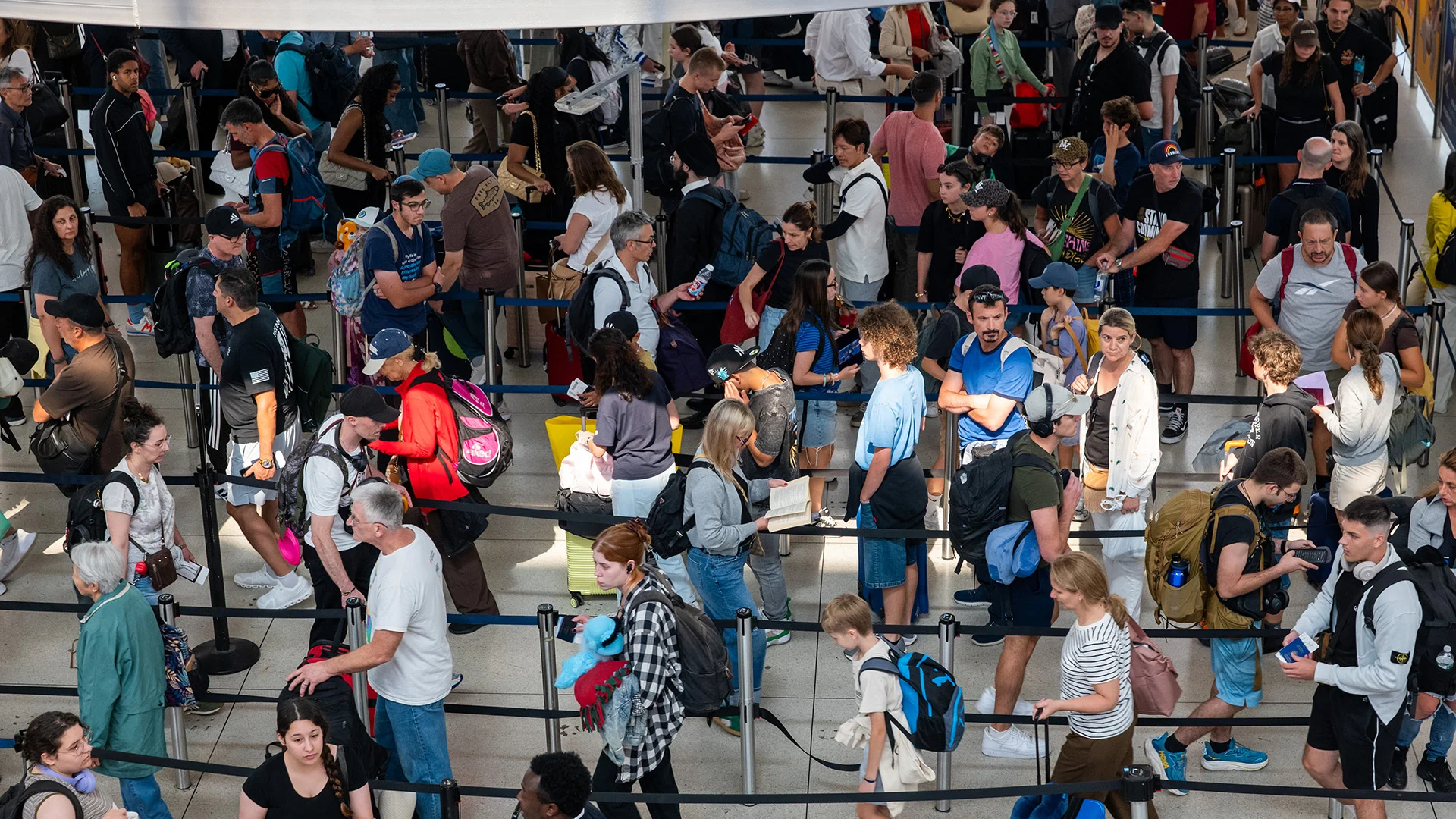
Source image: inc.com
inc.comA Paradigm Shift in Aviation Security
For a quarter of a century, the boundary of airport security checkpoints has served as an absolute divide between travelers and the outside world. Established in the immediate aftermath of the 2001 terrorist attacks, strict federal regulations mandated that only ticketed passengers could venture beyond security perimeters. However, the Transportation Security Administration (TSA) is officially dismantling this barrier through a strategic pilot program titled Gateside by TSA PreCheck.
This initiative marks the first time since the pre-9/11 era that non-travelers can legally access boarding gates, terminal shopping districts, and dining concourses without possessing a valid flight ticket. By leveraging the existing infrastructure of trusted-traveler databases, the federal agency aims to humanize the air travel experience while maintaining stringent national security standards.
How the Gateside Program Operates
The rollout focuses heavily on vetted security compliance. Rather than opening terminals to the general public indiscriminately, the program restricts access exclusively to individuals enrolled in trusted-traveler initiatives like TSA PreCheck or Global Entry, who hold a valid Known Traveler Number (KTN).
Key operational parameters of the pilot include:
- Advance Application: Interested visitors must submit an online application between one and three days prior to their planned airport visit.
- Zero Financial Cost: The authorization pass is currently issued free of charge to eligible applicants.
- Expedited Lane Access: Approved participants clear security using dedicated TSA PreCheck lanes, merging seamlessly with regular trusted-traveler flows.
- Capacity Controls: Airports retain the authority to cap visitor numbers or suspend passes during peak travel windows to prevent terminal congestion.
The initial phase encompasses 13 strategic aviation hubs nationwide, including Dallas Fort Worth International (DFW), Los Angeles International (LAX), Detroit Metropolitan (DTW), and Las Vegas Harry Reid International (LAS). Industry analysts expect the TSA to evaluate congestion metrics closely before considering a broader national expansion.
Commercial Implications for Airport Concessionaires
Beyond the emotional appeal of welcoming loved ones directly at the jet bridge, the economic significance of this policy shift cannot be overstated. Airport terminals have increasingly evolved into high-margin retail and dining destinations. For years, airport operators and concession conglomerates have watched billions of dollars in potential non-aeronautical revenue evaporate because non-passengers were barred from the sterile side of the terminal.
By injecting pre-screened local visitors back into the concourses, airports can expect a measurable surge in food, beverage, and specialty retail sales. Retail executives and airport management trusts view this as an organic catalyst to boost per-enplanement spend metrics, mirroring successful independent local programs previously tested by facilities like Orlando International and Cleveland Hopkins.
What Investors and Executives Should Watch
As this pilot program gathers data over the coming quarters, key stakeholders across the aviation, retail, and security sectors should monitor several emerging trends:
- Checkpoint Congestion Metrics: Security queue times will be scrutinized to ensure that processing non-travelers does not degrade the efficiency promised to paying passengers.
- An uptick in airport retail valuations and concessionaire revenue reports across the 13 participating pilot hubs.
- Potential technological integrations, such as automated digital gate passes and expanded biometric verification, to streamline the application workflow.
- Announcements regarding timeline expansions to secondary and primary tier-one international hubs.
Ultimately, the return of terminal access signals a maturing security posture—one capable of balancing risk mitigation with consumer-centric flexibility. If execution proves successful, the modern airport terminal may permanently transform back into a community hub rather than a closed-off transit fortress.
Continue reading
Related coverage in Business
nytimes.com
David Ellison Targets CNN Leadership Continuity in Paramount Merger Talks
David Ellison is currently negotiating to retain CNN CEO Mark Thompson without oversight from CBS editor in chief Bari Weiss as parent companies navigate merger plans.
2 min read
bbc.com
Decoding Nike’s Slump: How Strategic Missteps Cost the Sportswear Titan Its Edge
Explore the factors behind Nike's dramatic market decline. Industry analysts dissect the self-inflicted strategic errors that shook the sportswear giant.
3 min read
bbc.com
Treasury Committee Directs HMRC to Investigate Tax Implications of Manchester City Case
The UK Treasury Committee has called on HMRC to closely examine potential tax ramifications arising from the high-profile Manchester City legal verdict.
3 min read
nytimes.com
US Imposes Sanctions on Russian Firm A7 Over Global Shell Company Evasion Schemes
The United States targets Russian financial firm A7 with new sanctions following reports of utilizing global shell companies to bypass existing economic restrictions.
3 min read