Trump Endorses Strict Ethics Rules in Revised Clarity Act as Crypto Industry Pushes for Historic Senate Vote
Senate Republicans have released a comprehensive revised text of the Clarity Act featuring stringent ethics requirements backed by President Trump, sparking renewed industry optimism ahead of a high-stakes legislative showdown.
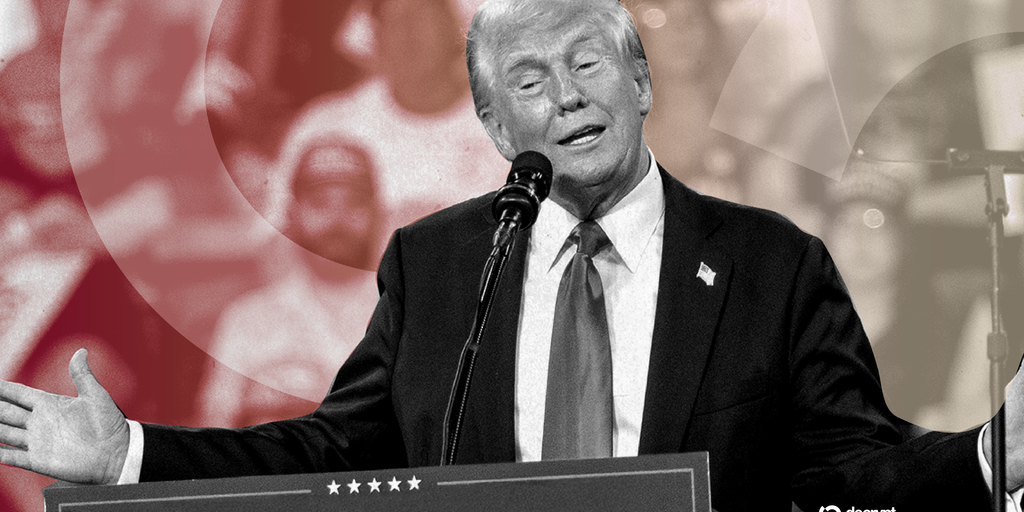
Source image: decrypt.co
decrypt.coA Watershed Moment for U.S. Digital Asset Regulation
The legislative battle over the future of blockchain technology in the United States has entered its most critical phase yet. Senate Republicans have unveiled what they describe as their definitive, final offer regarding the Digital Asset Market Clarity Act. Featuring an expanded framework that addresses long-standing partisan disagreements, the updated bill represents an earnest attempt to break months of legislative gridlock and establish a comprehensive federal market structure for digital commodities and securities.
At the center of this new momentum is a surprising political alignment. President Donald Trump has officially thrown his weight behind tougher ethics mandates embedded within the legislation—a set of provisions he had previously resisted. By accepting rigorous guardrails that restrict public officials from engaging in unvetted digital asset ventures and mandate blind trusts or complete divestment, proponents hope to neutralize one of the primary objections raised by congressional opponents.
Dissecting the Concessions: What Changed in the Revised Text?
The latest iteration of the Clarity Act is the product of extensive behind-the-scenes negotiations, incorporating more than 120 specific adjustments requested by Democratic lawmakers. Key modifications span several vital areas of market structure and regulatory jurisdiction:
- Ethics and Oversight: Public officials and senior government leaders face stringent compliance mandates regarding personal crypto holdings, effectively closing loopholes through mandated blind trusts.
- Stablecoin Circuit Breakers: The revised framework introduces specialized financial backstops and stability mechanisms designed to protect traditional community banks and mitigate systemic risk.
- DeFi and Developer Protections: Adjustments were made to address decentralized finance parameters and refine provisions surrounding developer liabilities, striking a balance between financial innovation and illicit finance prevention.
- Jurisdictional Clarity: The bill solidifies statutory boundaries between the Securities and Exchange Commission (SEC) and the Commodity Futures Trading Commission (CFTC), bringing much-needed regulatory certainty to token issuers and trading platforms.
Market Implications and Industry Sentiment
The crypto industry has responded to the updated legislative text with renewed optimism. Prediction markets and institutional analysts have noticeably revised their short-term probability forecasts upward, signaling that the inclusion of bipartisan amendments has transformed a stalled partisan bill into a viable legislative package. For institutional investors, venture capitalists, and digital asset enterprises, the establishment of clear federal guidelines removes the suffocating cloud of regulation-by-enforcement that has characterized the U.S. market for years.
However, significant hurdles remain. Advancing the bill past the upcoming cloture vote requires a 60-vote threshold in the Senate, meaning that Republican leadership must secure at least seven cross-party defections. While sponsors have challenged Democrats to accept a package containing their own requested amendments, opposition leaders continue to scrutinize whether the ethics safeguards go far enough to eliminate potential conflicts of interest at the highest levels of government.
What Investors and Executives Should Watch
As Capitol Hill prepares for a definitive floor vote, market participants should monitor several key indicators:
- Democratic Voting Blocs: Track how moderate senators respond to the revised text and whether the 120 integrated amendments are sufficient to sway enough crossover votes.
- Institutional Capital Flows: Observe how crypto asset valuations and venture funding react to shifting legislative probabilities over the course of the week.
- Regulatory Posture Adjustments: Evaluate how federal agencies signal their readiness to implement the dual SEC-CFTC oversight model should the bill successfully pass into law.
Ultimately, the Clarity Act represents a defining test for the intersection of digital asset innovation and federal governance. Whether this final bipartisan compromise succeeds or falters will shape the trajectory of American financial technology for decades to come.
Continue reading
Related coverage in Crypto
cointelegraph.com
Trump Schedules Third Memecoin Holder Dinner Amid Growing Corruption Scrutiny
President Trump is set to host his third exclusive memecoin dinner for top token holders at his Washington, DC golf club, drawing renewed ethical and market scrutiny.
3 min read
cointelegraph.com
50,000 Europeans Petition EU to Relax MiCA Stablecoin Reward Restrictions
A new 50,000-letter campaign is urging Brussels to ease stablecoin rewards restrictions during the MiCA review, aligning with broader central bank pushes.
2 min read
cryptonews.com
Dogecoin Eyes $1 Milestone as DogeOS Testnet Launch Sparks Utility Speculation
Dogecoin trades at $0.09447 as the DogeOS testnet goes live. Traders eye the $0.098 resistance and psychological $0.10 mark amid fresh utility potential.
2 min read
decrypt.co
Bitcoin Enters 'Uptober' Amid Fed Rate Hike Pressures and 5.3% Treasury Yields
Bitcoin enters its historically strongest month following a record September, yet rising Federal Reserve rate hike fears and 5.3% Treasury yields present major hurdles.
2 min read