TJX Companies Real Estate Optimization: Inside Strategic Off-Price Store Closures and Expansion
Despite aggressive global expansion plans, parent company TJX is strategically shutting down select high-profile T.J. Maxx locations, highlighting modern retail portfolio adjustments.
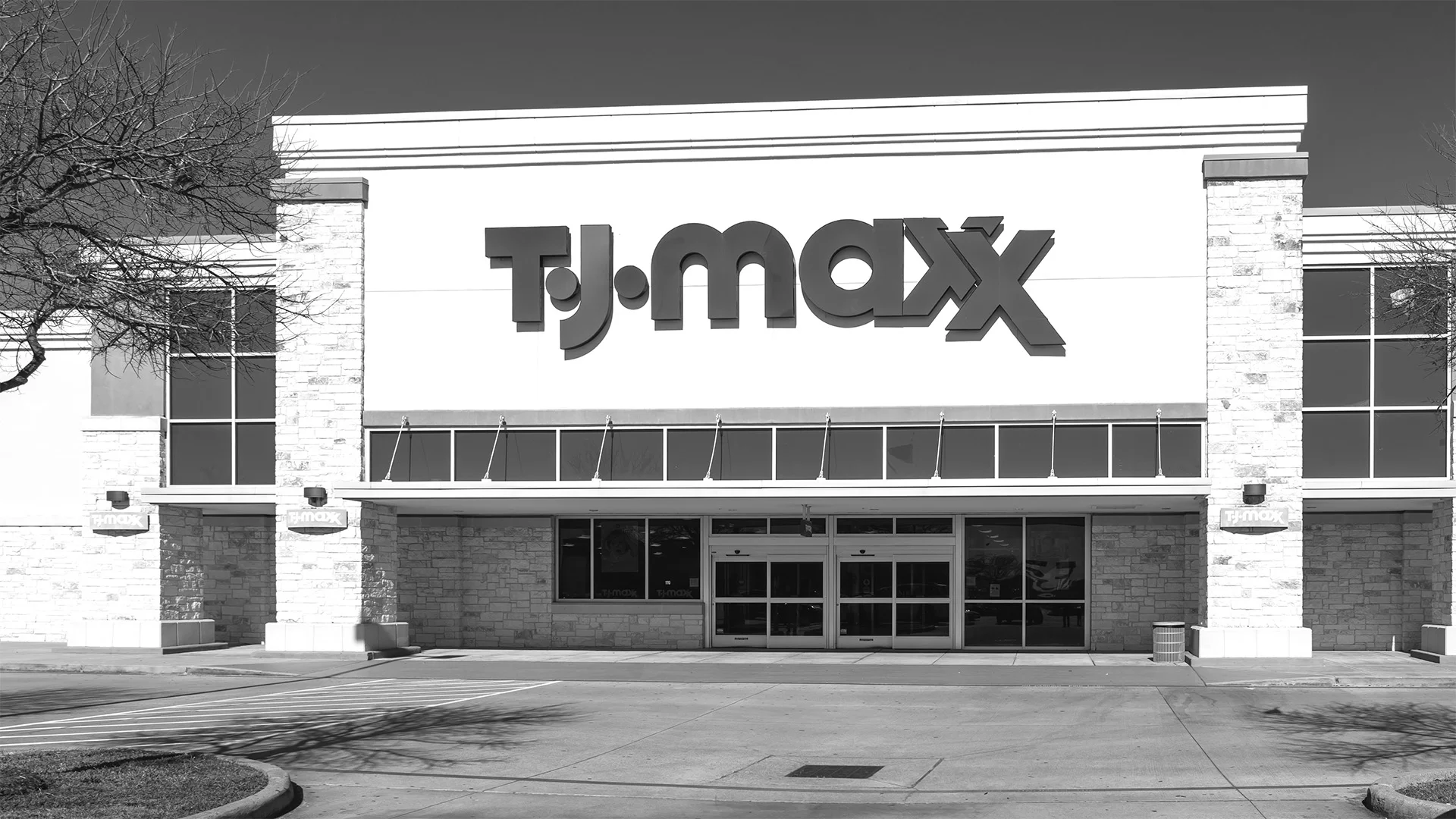
Source image: inc.com
inc.comNavigating Retail Real Estate Dynamics in a Dynamic Economy
The modern retail landscape is characterized by a delicate balance between aggressive expansion and calculated contraction. While legacy department stores and specialty apparel brands frequently downsize out of financial distress, off-price giants operate under a different set of economic rules. TJX Companies, the parent conglomerate behind T.J. Maxx, Marshalls, and HomeGoods, continues to post stellar financial results, routinely outperforming broader retail sector averages. However, even the most successful operators must periodically audit their massive physical footprints to maximize long-term asset productivity.
Recent high-profile closures—such as the multi-story flagship location on Newbury Street in Boston's Back Bay and the longstanding outlet inside the Ellsworth Place mall in Maryland—underscore a rigorous approach to lease performance and urban real estate optimization. Rather than signaling a retreat, these targeted shutdowns represent a disciplined corporate philosophy focused on shifting capital toward higher-yield opportunities.
Dissecting the Portfolio Strategy: What Drives High-Profile Closures?
Corporate real estate decisions of this magnitude are rarely arbitrary. When a powerhouse like T.J. Maxx pulls out of a major metropolitan corridor, multiple operational and financial variables converge. Analysts tracking the company's filings note several recurring factors:
- Escalating Urban Overhead: Prime urban real estate corridors carry exorbitant property taxes, soaring maintenance costs, and steep commercial lease renewal rates that can compress store-level profit margins.
- Shifting Foot Traffic Patterns: Post-pandemic consumer habits, changing urban commuting trends, and fluctuating commercial district foot traffic have forced retailers to re-evaluate the viability of massive urban flagships.
- Portfolio Rebalancing: TJX frequently utilizes targeted closures to transition local market share to nearby, more cost-effective suburban or accessible shopping center locations.
By shedding underperforming or cost-prohibitive leases, management protects overall brand profitability while redirecting capital into new store openings across domestic and international markets.
Financial Health and Global Expansion Counter-Narrative
To contextualize these closures accurately, investors must look at the broader corporate picture. TJX Companies operates a massive global ecosystem encompassing over 5,000 stores across multiple countries. The company's underlying business model—built on opportunistic buying, treasure-hunt merchandising, and rapid inventory turnover—continues to resonate strongly with cost-conscious consumers navigating economic uncertainties.
Financial statements indicate that the company's net sales and comparable store metrics remain robust, fueling long-term projections to expand its global footprint by hundreds of new units. Corporate strategy emphasizes that unit growth and selective store closures are not mutually exclusive; rather, portfolio pruning is an essential mechanism for maintaining operational agility.
Implications for Investors and Commercial Real Estate Markets
For institutional investors and retail executives, the T.J. Maxx closures offer vital lessons in modern portfolio management. Key themes to monitor moving forward include:
- Urban Retail Vulnerability: High-density city centers face continued pressure as retailers pivot toward accessible strip malls and lifestyle centers where consumer traffic remains resilient.
- Labor and Reallocation Efficiency: TJX’s strategy of attempting to absorb displaced workers into neighboring corporate stores minimizes negative public relations and retains institutional knowledge.
- Capital Allocation Discipline: Investors should favor retailers demonstrating the discipline to exit unprofitable leases rather than chasing top-line revenue growth at the expense of bottom-line margins.
Ultimately, the localized contraction of T.J. Maxx stores highlights a mature corporation acting decisively to protect shareholder value. As retail dynamics continue to evolve through 2026 and beyond, market watchers should expect further portfolio fine-tuning from industry leaders balancing massive physical footprints with shifting digital and demographic realities.
Continue reading
Related coverage in Business
nytimes.com
David Ellison Targets CNN Leadership Continuity in Paramount Merger Talks
David Ellison is currently negotiating to retain CNN CEO Mark Thompson without oversight from CBS editor in chief Bari Weiss as parent companies navigate merger plans.
2 min read
bbc.com
Decoding Nike’s Slump: How Strategic Missteps Cost the Sportswear Titan Its Edge
Explore the factors behind Nike's dramatic market decline. Industry analysts dissect the self-inflicted strategic errors that shook the sportswear giant.
3 min read
bbc.com
Treasury Committee Directs HMRC to Investigate Tax Implications of Manchester City Case
The UK Treasury Committee has called on HMRC to closely examine potential tax ramifications arising from the high-profile Manchester City legal verdict.
3 min read
nytimes.com
US Imposes Sanctions on Russian Firm A7 Over Global Shell Company Evasion Schemes
The United States targets Russian financial firm A7 with new sanctions following reports of utilizing global shell companies to bypass existing economic restrictions.
3 min read