The Visual OS: How Artificial Intelligence is Transforming High-Stakes Medical Specialties
Artificial intelligence is reshaping visual medical specialties like radiology and dermatology, shifting human expertise from basic pattern recognition to advanced treatment strategies.
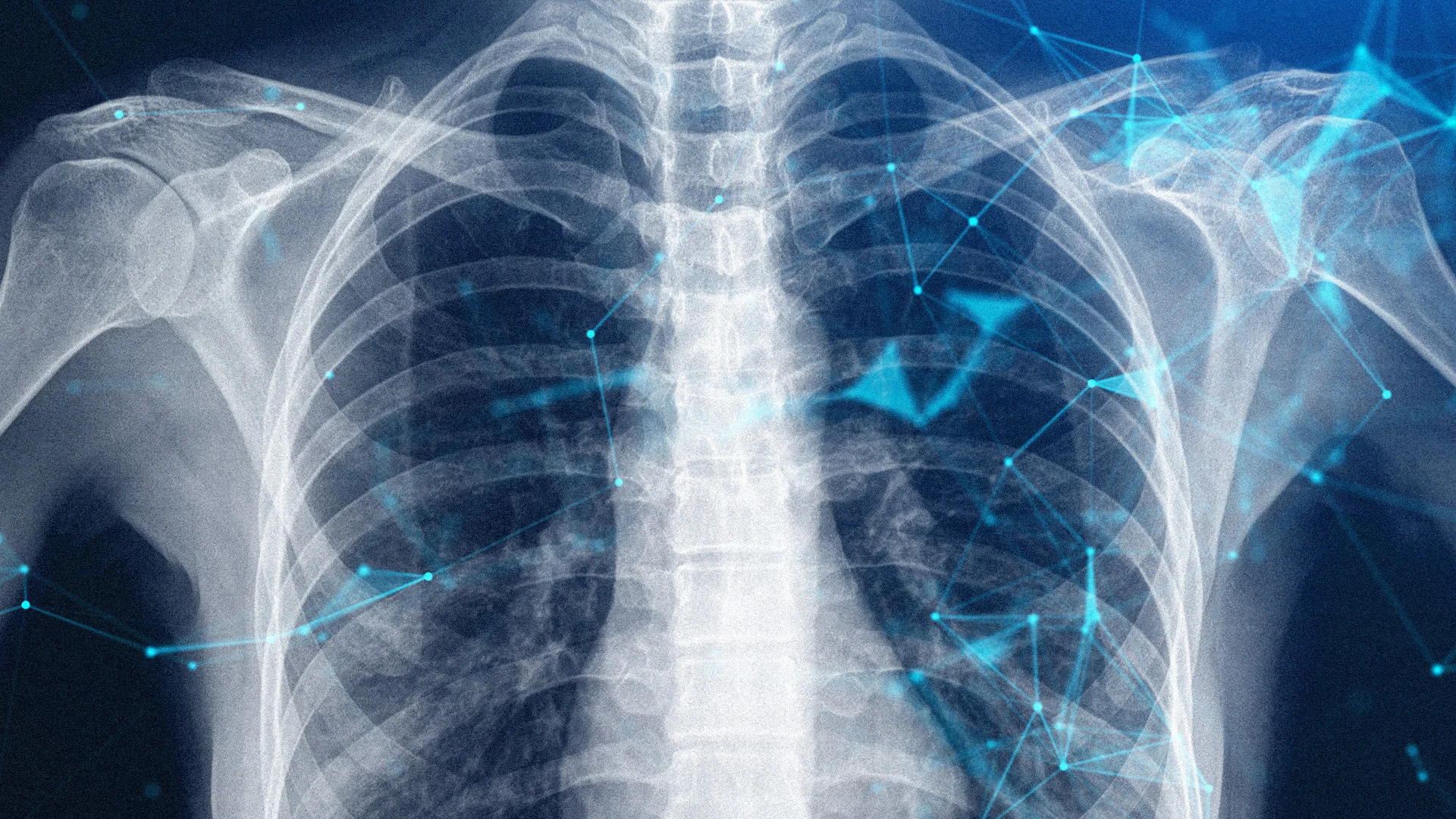
Source image: inc.com
inc.comThe Paradigm Shift in Image-Driven Medicine
The conversation surrounding artificial intelligence in healthcare has matured significantly. Executives, clinicians, and investors are no longer asking whether advanced algorithms belong in the examination room, but rather which clinical workflows are best optimized through machine delegation. Nowhere is this transformation more evident than in visual-heavy medical specialties where patient volume consistently outstrips human specialist availability.
Industry leaders note that systemic scarcity of visual expertise historically drove the conventional specialist model. Today, state-of-the-art machine learning models are stepping in to bridge that gap, processing complex scans and identifying minute physiological abnormalities at speeds and scales that no human workforce can independently match.
Transforming Radiology and Pathology Workflows
Diagnostic imaging and pathology represent the frontline of artificial intelligence integration because their core functions rely heavily on structured pattern recognition. Leading health systems are already utilizing software tools to pre-read scans, flag critical anomalies, and prioritize urgent cases before a human physician opens the file.
- Accelerated Triage: Algorithms rapidly sort high-volume scans to highlight critical interventions.
- Longitudinal Tracking: Advanced systems remember and compare historical imaging data to measure subtle tissue changes over time.
- Workflow Re-engineering: Routine assessments are automated, reducing burnout and redirecting specialist focus toward intricate case management.
Rather than threatening the livelihood of radiologists, these technologies are expanding their capacity. Specialists are increasingly integrated into multidisciplinary teams, leveraging machine outputs to execute more comprehensive patient evaluations.
Dermatology and the Rise of Automated Triage
In fields like dermatology and Mohs micrographic surgery, artificial intelligence acts as a powerful triage mechanism. High-resolution imaging models assist clinicians in mapping skin abnormalities and assessing malignancy risks with high fidelity. This capability allows clinics to optimize patient flow, ensuring that high-acuity cases receive immediate attention while routine screenings are managed more efficiently.
This operational evolution challenges the traditional assumption that human eyes must perform every tier of visual interpretation. Instead, the medical industry is building a robust visual operating system where software handles raw pattern detection, and human clinicians apply critical clinical context.
Market Implications for Investors and Executives
For healthcare executives and institutional investors, the maturation of medical AI opens profound commercial opportunities. Health systems that successfully integrate diagnostic software into their daily operations stand to capture substantial efficiencies, lowering overhead costs while improving diagnostic accuracy and patient throughput.
However, commercialization requires navigating rigorous regulatory pathways, localized validation protocols, and integration hurdles. Companies capable of seamlessly embedding their technology into legacy hospital infrastructure without disrupting existing clinical workflows will likely command outsized market share.
What Investors Should Monitor Closely
As the healthcare sector adapts to this technological wave, stakeholders should keep a close eye on several key indicators:
- Regulatory Approvals: Track how fast governing bodies clear autonomous diagnostic tools versus collaborative software aides.
- Hospital Adoption Rates: Monitor enterprise software contracts and pilot conversion metrics across major hospital networks.
- Liability and Reimbursement Models: Evaluate evolving insurance structures covering AI-assisted diagnoses and liability allocation between software vendors and healthcare providers.
Ultimately, artificial intelligence is not replacing the medical profession; it is resetting its baseline capabilities. Investors who recognize task-level automation over broad specialty replacement will capture the true financial upside of the digital health revolution.
Continue reading
Related coverage in Business
nytimes.com
David Ellison Targets CNN Leadership Continuity in Paramount Merger Talks
David Ellison is currently negotiating to retain CNN CEO Mark Thompson without oversight from CBS editor in chief Bari Weiss as parent companies navigate merger plans.
2 min read
bbc.com
Decoding Nike’s Slump: How Strategic Missteps Cost the Sportswear Titan Its Edge
Explore the factors behind Nike's dramatic market decline. Industry analysts dissect the self-inflicted strategic errors that shook the sportswear giant.
3 min read
bbc.com
Treasury Committee Directs HMRC to Investigate Tax Implications of Manchester City Case
The UK Treasury Committee has called on HMRC to closely examine potential tax ramifications arising from the high-profile Manchester City legal verdict.
3 min read
nytimes.com
US Imposes Sanctions on Russian Firm A7 Over Global Shell Company Evasion Schemes
The United States targets Russian financial firm A7 with new sanctions following reports of utilizing global shell companies to bypass existing economic restrictions.
3 min read