The Ultimate Missed Opportunity: How Rejecting Steve Jobs’ $400 Trade-In Created an $800,000 Tech Relic
A rare, fully operational Apple-1 computer accompanied by a signed letter from Steve Jobs is heading to auction, where it is projected to fetch up to $800,000.
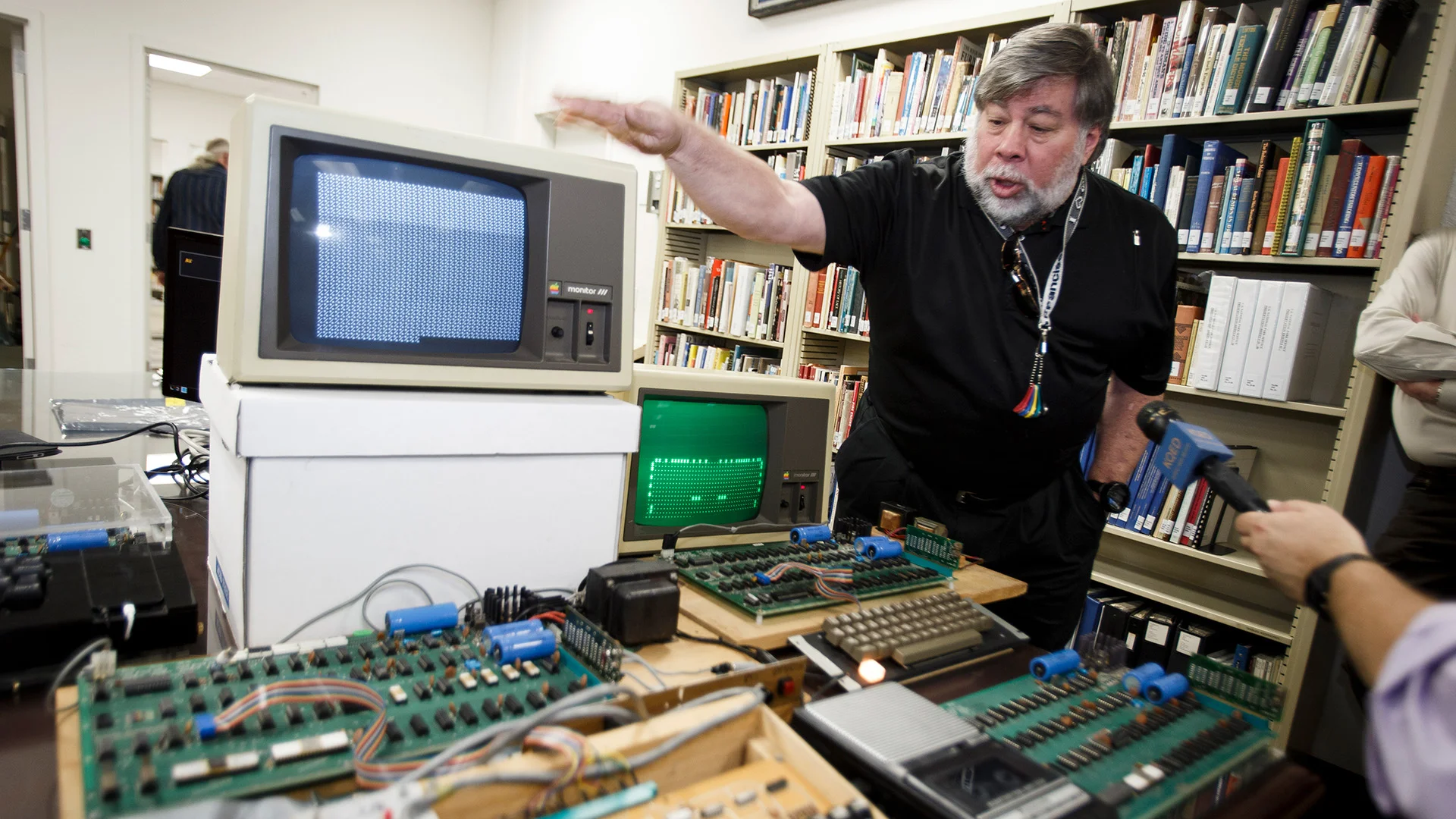
Source image: inc.com
inc.comA Relic of Silicon Valley Beginnings
In the fast-paced ecosystem of modern technology, decisions made on a whim often dictate the trajectory of fortunes. Few historical artifacts encapsulate this reality quite like the upcoming auction of the 'Hatfield' Apple-1 computer. Slated to headline Bonhams' History of Science, Technology, and Computing sale, this fully functional piece of computing history carries a pre-sale valuation ranging from $500,000 to $800,000. For collectors, institutional investors, and tech historians, the machine represents far more than circuit boards and vintage components; it is a physical manifestation of Apple's garage-era genesis.
The computer, logged as number 48 on the official Apple-1 Registry, is one of fewer than 75 verified units known to survive today—and an even smaller fraction of those remain in working condition. What sets the 'Hatfield' unit apart from its scarce peers, however, is an extraordinary paper trail that chronicles a pivotal moment in Apple’s corporate evolution.
The Anatomy of a Rejected Offer
The machine takes its moniker from its original owner, computer enthusiast Fred Hatfield, who purchased the unit back in 1976. By January 1978, Hatfield found himself grappling with a common hurdle of early personal computing: a scarcity of compatible software. Seeking a resolution, Hatfield reached out directly to Apple.
In response, none other than Steve Jobs—acting in his capacity as vice president of operations—sent a typed letter offering an innovative solution. Jobs proposed that Hatfield trade in his Apple-1 alongside a $400 check in exchange for a cutting-edge Apple II 4K board. At the time, the transaction made practical economic sense for a user frustrated by first-generation limitations. Yet, for reasons lost to personal preference, Hatfield declined the proposal, opting to retain his original Apple-1.
- Key Elements of the Historic Lot:
- Operational Integrity: Retains its original white ceramic MOS Technology 6502 microprocessor and cassette interface board.
- Wozniak’s Mark: The motherboard features the authentic signature of Apple co-founder Steve Wozniak.
- The Jobs Correspondence: Includes the original 1978 letter signed by Steve Jobs outlining the aborted trade-in deal.
Market Implications and the Vintaged Tech Asset Class
The valuation of vintage technology assets has matured dramatically over the past decade. Items associated with Apple’s formative years consistently command premium figures, driven by institutional interest, high-net-worth tech founders, and global museums competing for cultural touchstones. Recent sales of working Apple-1 units have routinely cleared the half-million-dollar threshold, establishing a robust floor for verified, pristine specimens.
For luxury asset investors, vintage computing hardware behaves similarly to fine art or rare automobiles. Rarity, provenance, and historical significance serve as the primary drivers of long-term appreciation. The inclusion of dual signatures—from both Steve Wozniak and Steve Jobs—elevates the Hatfield machine from a standard collectible to a museum-grade asset.
What Investors and Collectors Should Watch
As the online auction approaches, market participants will closely monitor the final hammer price to gauge the resilience of high-end alternative asset classes against broader macroeconomic headwinds. While traditional equity and crypto markets experience volatility, scarcity-driven physical collectibles continue to attract concentrated capital from ultra-high-net-worth collectors.
Ultimately, Fred Hatfield’s decision to ignore Steve Jobs' pitch in 1978 turned out to be one of the most lucrative
Continue reading
Related coverage in Business
nytimes.com
David Ellison Targets CNN Leadership Continuity in Paramount Merger Talks
David Ellison is currently negotiating to retain CNN CEO Mark Thompson without oversight from CBS editor in chief Bari Weiss as parent companies navigate merger plans.
2 min read
bbc.com
Decoding Nike’s Slump: How Strategic Missteps Cost the Sportswear Titan Its Edge
Explore the factors behind Nike's dramatic market decline. Industry analysts dissect the self-inflicted strategic errors that shook the sportswear giant.
3 min read
bbc.com
Treasury Committee Directs HMRC to Investigate Tax Implications of Manchester City Case
The UK Treasury Committee has called on HMRC to closely examine potential tax ramifications arising from the high-profile Manchester City legal verdict.
3 min read
nytimes.com
US Imposes Sanctions on Russian Firm A7 Over Global Shell Company Evasion Schemes
The United States targets Russian financial firm A7 with new sanctions following reports of utilizing global shell companies to bypass existing economic restrictions.
3 min read