The Six-Figure Fast Food Blueprint: Why In-N-Out Managers Outearn Corporate Peers
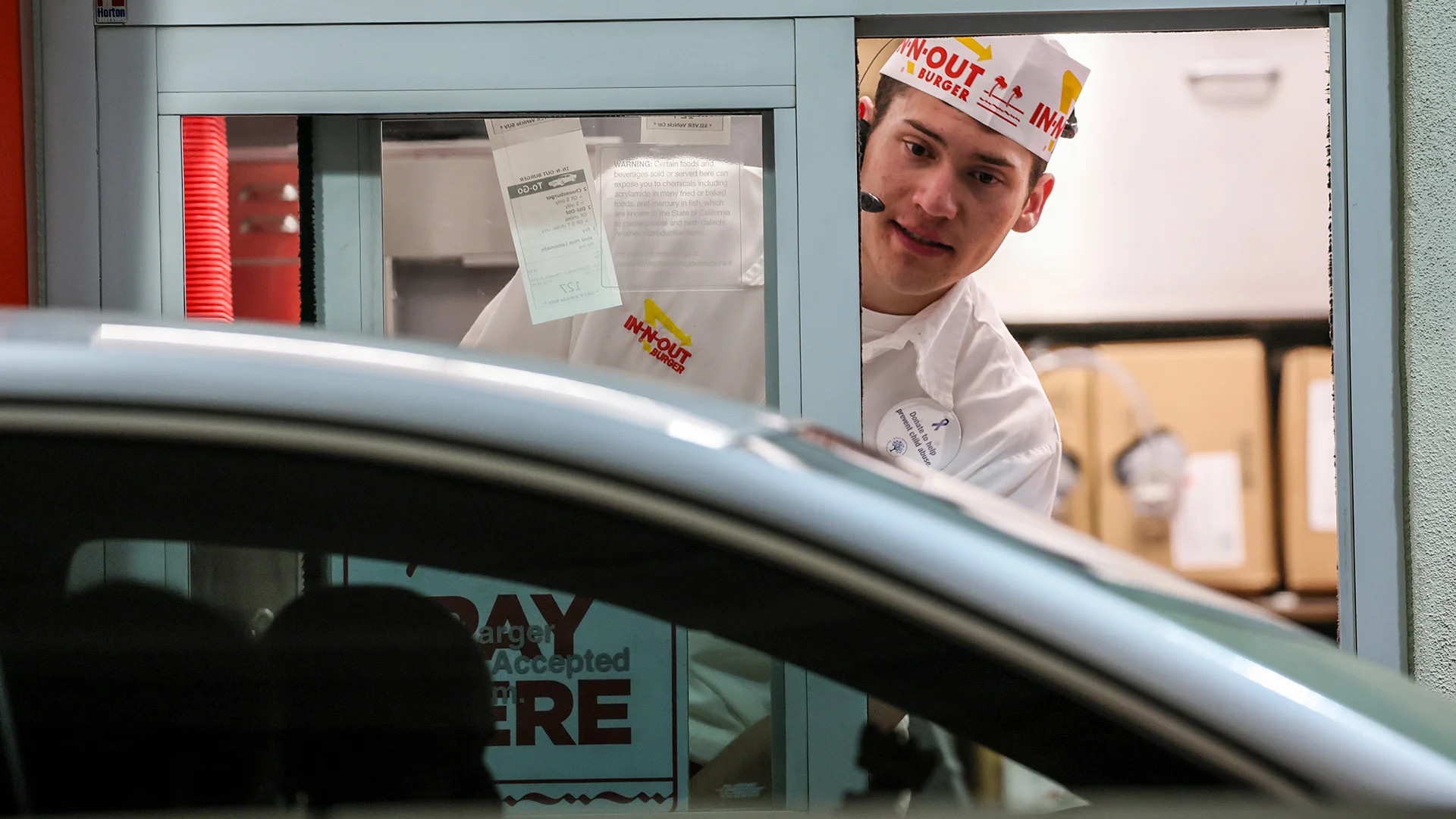
In-N-Out store managers are now earning over $200,000 annually, defying fast-food norms and unlocking unprecedented employee retention rates.
Source image: inc.com
inc.comRe-Engineering Fast-Food Economics
In the high-churn environment of the quick-service restaurant industry, employee turnover is traditionally treated as an unavoidable cost of doing business. While major chains regularly bleed talent with turnover rates soaring past 150 percent annually, privately held icon In-N-Out Burger has charted an entirely different course. By pushing average store manager compensation past the $200,000 threshold—rivaling or exceeding many corporate white-collar roles—the company has fundamentally rewritten the rules of retail labor management.
This aggressive compensation strategy was originally laid down by founders Harry and Esther Snyder in 1948, and modern leadership has rigorously maintained it. Rather than viewing elevated wages as a margin killer, In-N-Out treats employee compensation as a core driver of quality control, brand protection, and long-term enterprise value.
The Core Drivers of High Retention
The staggering six-figure salaries enjoyed by In-N-Out managers are complemented by comprehensive benefit packages, robust retirement contributions, and a deeply ingrained corporate culture that promotes almost exclusively from within. Key structural pillars include:
- Above-Market Base Pay and Bonuses: Store managers earn baseline wages and performance-based incentives that push total compensation well past $200,000.
- Internal Mobility: The vast majority of leadership began their careers at the entry level, creating a clear and attainable meritocratic pathway to financial security without requiring a university degree.
- Comprehensive Benefits: Comprehensive healthcare, dental, vision, and 401(k) matching programs ensure stability that deters lateral movement to competitors.
- Culture of Recognition: Employees report feeling valued as foundational stakeholders rather than expendable shift workers, cultivating deep organizational alignment.
Market Implications and Operational Efficiency
For executive leadership across the broader retail and hospitality sectors, In-N-Out’s financial model offers a provocative counter-narrative to low-cost labor strategies. While initial labor outlays per employee are noticeably higher, the downstream savings are monumental. Lower turnover drastically curtails recruitment expenditures, minimizes costly training hours, and virtually eliminates operational errors caused by inexperienced personnel.
Furthermore, experienced, high-morale teams translate directly into exceptional speed-of-service and product consistency. This operational excellence is a primary driver behind In-N-Out's legendary customer loyalty and its industry-leading sales volume per unit, proving that premium investment in human capital can generate extraordinary financial returns.
What Investors Should Watch
As labor dynamics shift globally and wage pressures mount across developed economies, institutional investors are increasingly scrutinizing how companies manage human resources risk. While In-N-Out remains closely held and shielded from public market quarterly pressures, its enduring success offers vital indicators for the broader consumer sector:
- Productivity Metrics vs. Labor Cost: Monitor how publicly traded fast-food peers attempt to balance rising statutory minimum wages with automation versus human capital investment.
- Turnover Correlation with Margin Stability: Evaluate whether brands focusing on retention-centric compensation models achieve superior same-store sales growth over multi-year cycles.
- Private vs. Public Governance: Assess how the absence of public market earnings pressure enables long-term strategic bets that traditional Wall Street-backed corporations struggle to execute.
Ultimately, In-N-Out demonstrates that in service-driven industries, elite unit economics are rarely achieved by squeezing labor. Instead, they are unlocked by cultivating a stable, highly compensated workforce that treats the business as its own.
Continue reading
Related coverage in Rankings
bbc.com
Thames Water Issues Apology Following Major £145,000 Billing Error
Thames Water has issued a formal apology to a family after a severe customer billing mistake totaling £145,000, highlighting ongoing operational challenges.
3 min read
bbc.com
UK Engages EU Allies Over Emergency Diesel Stock Release Amid US Export Ban Threats
The UK is in talks with European partners to potentially release strategic fuel reserves as US President Donald Trump threatens a diesel export ban to curb domestic prices.
3 min read
bbc.com
Travelodge Under Fire After Review Reveals Systemic Safety Failures and Room Intrusions
A damning independent review reveals Travelodge failed a sexual assault victim at every turn, with unauthorized room intrusions still plaguing one in ten hotels.
3 min read
bbc.com
Trump's AI Rebrand Sparks Unprecedented Demand for Slovenian Domain Names
Donald Trump's proposed rebrand of artificial intelligence to super intelligence, or SI, has triggered a massive surge in demand for Slovenian website domains.
2 min read