The Robotoid Convergence: New Research Reveals How AI Interactions Are Quietly Reshaping Human Communication
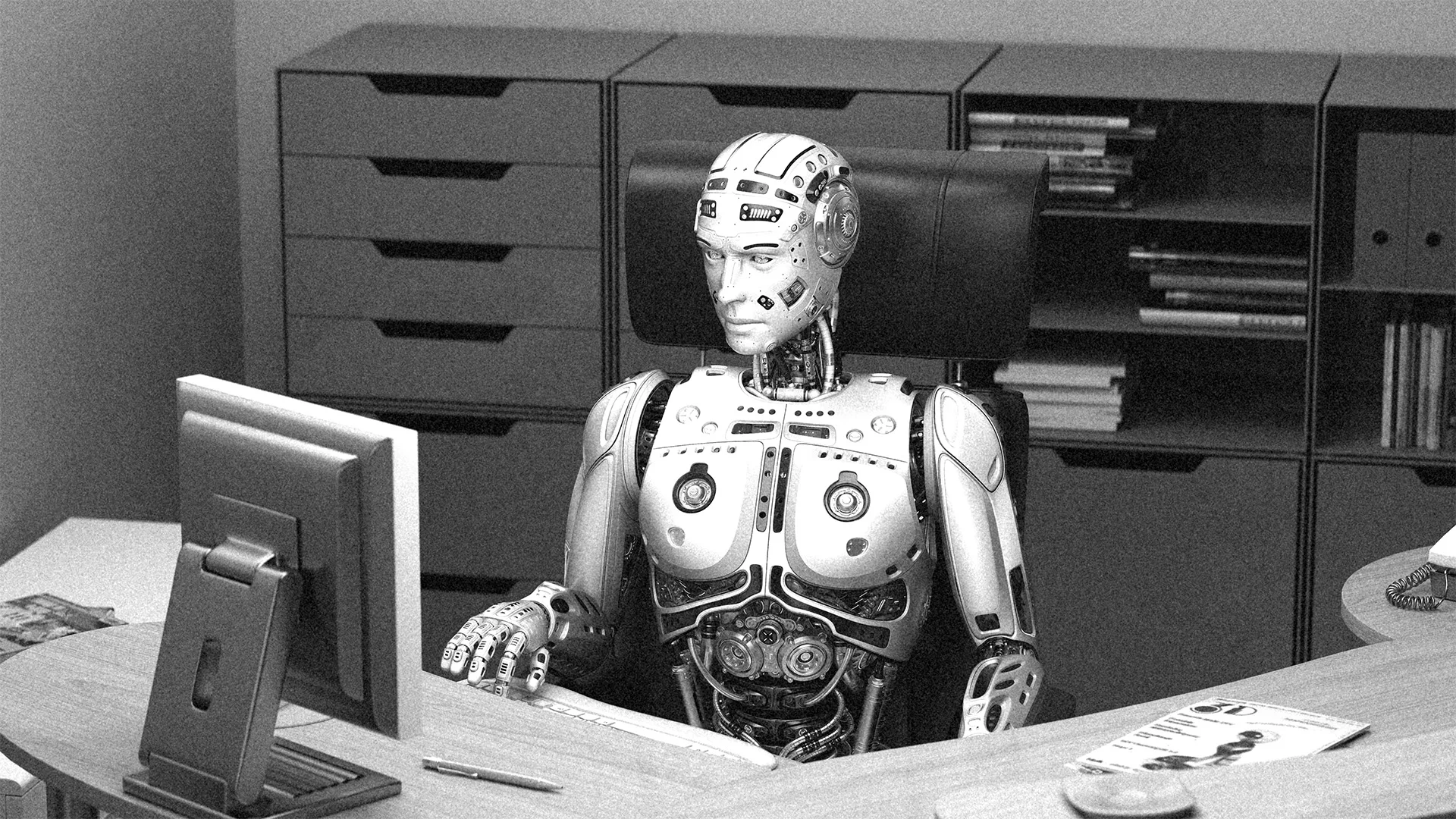
Recent scientific inquiry highlights an unsettling psychological side effect of artificial intelligence integration: the more humans engage with chatbots, the more they unconsciously adopt mechanized speech and behavioral patterns.
Source image: inc.com
inc.comThe Unseen Psychological Footprint of Generative AI
As enterprise adoption of generative artificial intelligence accelerates across global markets, businesses are rapidly re-engineering their operational workflows to harness large language models. From customer service desks to executive boardrooms, AI chatbots have transitioned from novelty tools into core productivity engines. However, beneath the surface of efficiency gains and optimized workflows, a quieter, more subtle transformation is taking place within the human workforce.
Recent theoretical frameworks and behavioral observations compiled by researchers suggest that heavy, prolonged interaction with conversational agents is beginning to alter how flesh-and-blood humans communicate. Rather than simply using tools, individuals are slowly adapting their natural speech patterns, writing styles, and interpersonal interactions to mirror the structured, predictable outputs of algorithms. Scientists describe this mutual adaptation process as a drift toward 'robotoid humanness'—a linguistic and behavioral middle ground where human uniqueness begins to bow to algorithmic efficiency.
Decoding 'Robotoid Humanness': Why Humans Mirror Machines
Human beings are deeply sensitive to environmental incentives and social conditioning. In the modern corporate landscape, communicating efficiently often means matching the cadence and format expected by automated gatekeepers, screening software, and AI-driven management platforms. If corporate customer service systems reward rigid, highly structured inputs, or if writing styles associated with AI generation are implicitly favored by management, employees and consumers alike quickly adjust their behavior to align with these templates.
Furthermore, the psychological pull of conversational AI's unwavering confidence and polite structure can inadvertently train users to drop nuanced human quirks. Over time, the iterative loop of prompting and receiving hyper-polished responses creates a feedback loop. Users begin adopting specific sentence structures, transitional phrases, and vocabulary preferences native to large language models, effectively outsourcing a fraction of their organic communicative identity to the software they operate.
Market Implications and Enterprise Risk
While the prospect of humans sounding slightly more robotic may not present an immediate catastrophic threat on par with systemic economic shocks or security vulnerabilities, it carries profound implications for corporate culture and brand authenticity. In sectors where human connection, creative problem-solving, and emotional intelligence serve as primary value drivers—such as marketing, executive leadership, client relations, and high-end consulting—the erosion of authentic human expression presents a tangible business risk.
- Brand Homogenization: As employees unconsciously adopt standardized AI cadences, corporate communications risk losing the distinct voice and creative friction that drive competitive differentiation.
- Cultural Erosion: Internal collaboration heavily relies on organic, idiosyncratic human interactions. A workforce nudged toward robotic predictability may experience suppressed innovation and diminished team cohesion.
- Consumer Fatigue: As both brands and consumers lean deeper into automated interactions, the market value of genuine, unscripted human empathy is projected to experience a massive premium surge.
What Executives and Investors Should Monitor
For investors and enterprise executives navigating the AI revolution, evaluating software ROI is no longer restricted to calculating productivity metrics and headcount efficiency. Leadership teams must begin assessing the cognitive and cultural footprint that widespread AI deployment leaves on their human capital.
Stakeholders should closely monitor how organizations implement AI literacy programs that emphasize critical thinking, creative preservation, and emotional intelligence alongside technical proficiency. Guarding against 'cognitive surrender'—the tendency to let algorithms dictate both thought and expression—will separate market leaders from organizations that accidentally hollow out their own human capital. As the technological boundary between man and machine continues to blur, preserving the irreplaceable value of human authenticity remains one of the most critical leadership challenges of the decade.
Continue reading
Related coverage in Business
nytimes.com
David Ellison Targets CNN Leadership Continuity in Paramount Merger Talks
David Ellison is currently negotiating to retain CNN CEO Mark Thompson without oversight from CBS editor in chief Bari Weiss as parent companies navigate merger plans.
2 min read
bbc.com
Decoding Nike’s Slump: How Strategic Missteps Cost the Sportswear Titan Its Edge
Explore the factors behind Nike's dramatic market decline. Industry analysts dissect the self-inflicted strategic errors that shook the sportswear giant.
3 min read
bbc.com
Treasury Committee Directs HMRC to Investigate Tax Implications of Manchester City Case
The UK Treasury Committee has called on HMRC to closely examine potential tax ramifications arising from the high-profile Manchester City legal verdict.
3 min read
nytimes.com
US Imposes Sanctions on Russian Firm A7 Over Global Shell Company Evasion Schemes
The United States targets Russian financial firm A7 with new sanctions following reports of utilizing global shell companies to bypass existing economic restrictions.
3 min read