The Rising State: Why the U.S. Government Is Quietly Accumulating Equity in Private Enterprises
As federal authorities increasingly secure direct equity stakes in private corporations through strategic funding, investors and market analysts weigh the profound long-term implications.
Source image: inc.com
inc.comA Shift Toward State-Influenced Capitalism
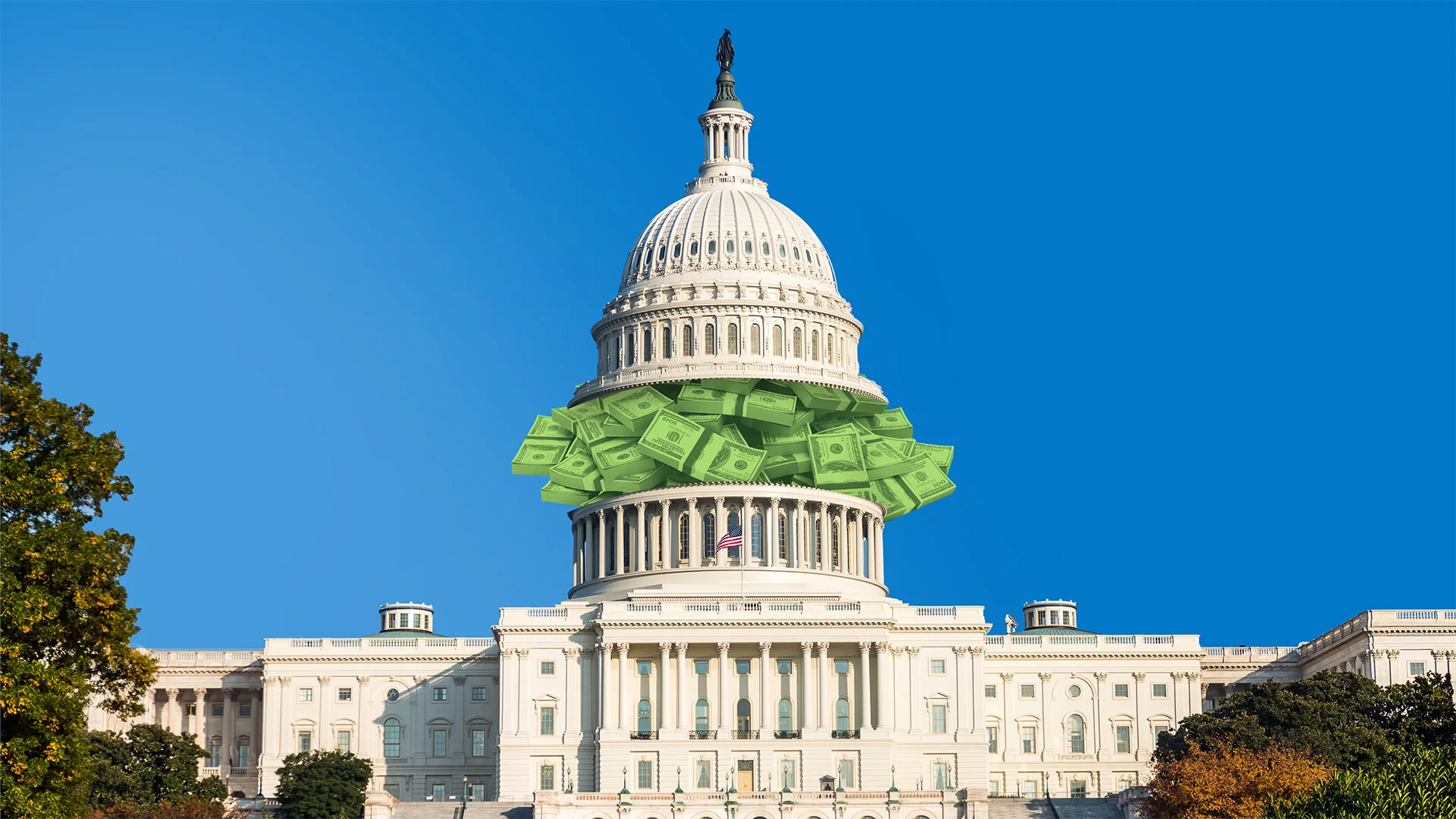
The landscape of American capitalism is experiencing a subtle yet profound structural evolution. Increasingly, the federal government is moving beyond its traditional regulatory perimeter to secure direct equity positions in private corporations. Data compiled by the Cato Institute indicates that various federal agencies now hold ownership stakes in at least 31 companies, transforming how public-private partnerships operate in the United States. This trend reflects a growing appetite within Washington to actively shape industrial ecosystems rather than merely serving as an oversight body.
This active investment approach has largely been catalyzed by major legislative vehicles. A prime example occurred when the administration structured a deal with semiconductor titan Intel, converting billions of dollars in federal subsidies from the CHIPS and Science Act into a direct 10 percent equity stake. The Commerce Department has since mirrored this template across roughly a dozen other agreements, signaling that state-directed equity is becoming a standard tool of modern industrial policy.
Historical Context vs. Modern Strategy
State intervention in corporate capital structures is not entirely unprecedented, but the underlying motivation has drastically shifted. Historically, federal equity injections were emergency measures deployed during severe systemic crises. During the 2008 financial meltdown, the government famously took equity positions in troubled financial institutions like AIG and automotive giants General Motors and Chrysler to prevent catastrophic market collapses and mass unemployment.
Today, however, the strategy is less about emergency rescue and more about strategic positioning. Rather than reacting to imminent corporate failure, the government is proactively utilizing funding vehicles to anchor domestic manufacturing, secure supply chain resilience, and compete globally—a philosophy that closely mirrors sovereign wealth models observed in Europe or the Middle East.
Market Implications and Competitive Dynamics
For executives, founders, and institutional investors, the normalization of government equity ownership introduces a complex matrix of risks and opportunities. While securing federal backing can provide unparalleled balance sheet fortification and validation, it also warps traditional market dynamics.
- Distortion of Competition: Companies favored with government capital gain an artificial advantage over competitors that must rely strictly on private venture capital or debt markets.
- Corporate Governance Conflicts: Having a federal stakeholder on the cap table can introduce political pressures into corporate decision-making, altering long-term strategic agility.
- Fundraising Friction: Private investors are increasingly forced to factor government presence and potential regulatory bias into their valuation and risk assessments.
Public Reception and Investor Sentiment
Despite the strategic ambitions driving these deals, public and market reception remains deeply divided. Recent polling data underscores a widening skepticism regarding federal corporate ownership. Surveys indicate that nearly half of American voters oppose the government taking equity positions in private businesses, compared to a small fraction of supporters who view it as a necessary economic shield. Investors share a similarly nuanced view; while capital injections can de-risk capital-intensive projects like advanced manufacturing and biotechnology, they also introduce unpredictable regulatory variables.
What Investors Should Watch Moving Forward
As this trend gathers momentum, market participants must monitor several critical indicators to navigate the changing regulatory and investment environment:
- Legislative Adjustments: Keep a close eye on congressional pushback or new bipartisan bills aimed at restricting or regulating how federal agencies acquire corporate equity.
- Exit Strategies: Analyze the terms under which the government plans to divest its stakes, as future sell-offs could trigger significant stock volatility for targeted companies.
- Procurement Preferentialism: Monitor whether companies with federal equity stakes receive preferential treatment in lucrative government contracting bids, which totaled nearly $800 billion recently.
Ultimately, the growing footprint of federal ownership represents a watershed moment for American economic policy. Whether this sovereign wealth approach successfully revitalizes domestic industry or permanently distorts free-market competition remains one of the defining financial questions of the decade.
Continue reading
Related coverage in Business
nytimes.com
David Ellison Targets CNN Leadership Continuity in Paramount Merger Talks
David Ellison is currently negotiating to retain CNN CEO Mark Thompson without oversight from CBS editor in chief Bari Weiss as parent companies navigate merger plans.
2 min read
bbc.com
Decoding Nike’s Slump: How Strategic Missteps Cost the Sportswear Titan Its Edge
Explore the factors behind Nike's dramatic market decline. Industry analysts dissect the self-inflicted strategic errors that shook the sportswear giant.
3 min read
bbc.com
Treasury Committee Directs HMRC to Investigate Tax Implications of Manchester City Case
The UK Treasury Committee has called on HMRC to closely examine potential tax ramifications arising from the high-profile Manchester City legal verdict.
3 min read
nytimes.com
US Imposes Sanctions on Russian Firm A7 Over Global Shell Company Evasion Schemes
The United States targets Russian financial firm A7 with new sanctions following reports of utilizing global shell companies to bypass existing economic restrictions.
3 min read