The Oracle's Playbook: Warren Buffett Reveals the Three Critical Life Choices That Separate High Achievers from the Rest
Discover the three foundational life and business decisions that billionaire investor Warren Buffett argues dictate long-term success and extraordinary market outcomes.
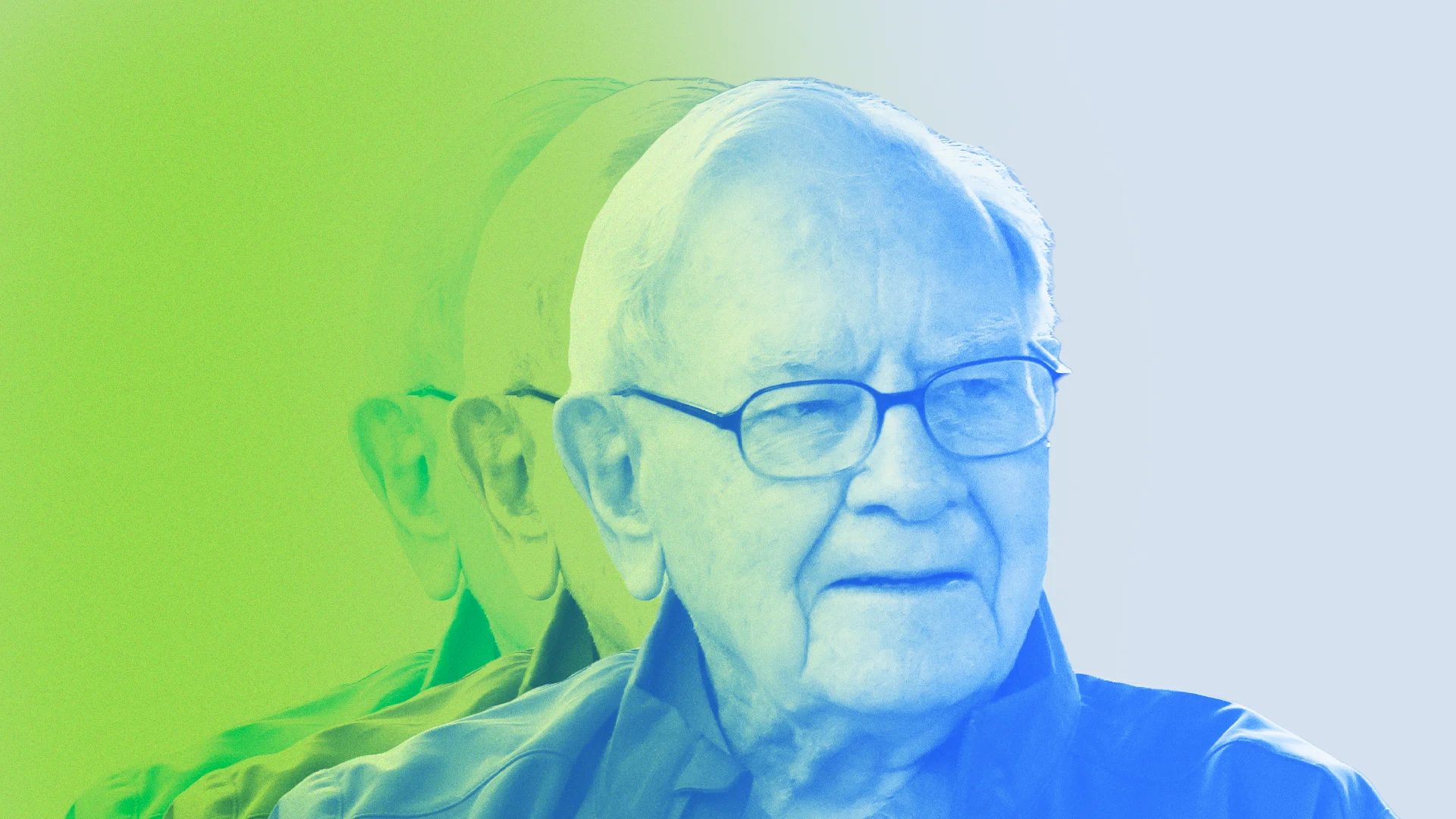
Source image: inc.com
inc.comThe Philosophy of Subtraction: Why Elite Leaders Say No
In the hyper-competitive landscape of global business, executives are constantly bombarded with incoming proposals, shiny new opportunities, and competing priorities. However, one of the most defining characteristics of elite enterprise builders is their rigorous approach to elimination. Warren Buffett famously noted that the difference between successful people and really successful people is that the latter group says no to almost everything. This counterintuitive mindset runs contrary to the modern obsession with constant multitasking and relentless expansion.
For corporate leaders, failing to curate obligations leads directly to operational fragmentation and strategic drift. By treating time and focus as finite capital assets, executives can protect their core vision. Saying no is not an act of rejection; it is a strategic defense mechanism designed to preserve organizational bandwidth for high-impact initiatives that truly drive enterprise value.
The Compound Interest of Continuous Self-Investment
Market capitalization and portfolio returns are the most visible metrics of wealth, but Buffett maintains that the single greatest asset an individual can develop is themselves. In various interviews, the Oracle of Omaha has stressed that continuous learning operates on the exact same mathematical principle as compound interest. Going to bed slightly smarter each day accumulates over decades, exponentially expanding an individual's problem-solving capacity, adaptability, and market worth.
- Lifelong Acquisition of Knowledge: Dedicating time to deep reading, financial analysis, and cross-industry study.
- Skill Enhancement: Sharpening essential executive capabilities, such as public speaking, negotiation, and strategic forecasting.
- Intellectual Resilience: Maintaining cognitive flexibility to navigate macroeconomic shifts and technological disruptions.
For investors, allocating capital to companies that foster human capital and continuous innovation mirrors this internal philosophy. Intellectual stagnation at the executive level often precedes corporate decline.
Integrity as the Ultimate Risk-Management Framework
In financial transactions, due diligence typically focuses on balance sheets, cash flow statements, and legal disclosures. Yet, Buffett applies an equally stringent filter to the human element: integrity. In his view, integrity is non-negotiable, humorously remarking that if someone lacks ethical grounding, you would prefer them to be slow and ineffective rather than brilliantly deceptive. Cunning without a moral compass is one of the most dangerous liabilities an organization can harbor.
- Reputational Capital: Trust takes decades to build and seconds to destroy, making it a critical component of corporate longevity.
- Cultural Alignment: Hiring and promoting individuals who prioritize truth, transparency, and collaborative stewardship.
- Risk Mitigation: Avoiding partnerships with entities or management teams compromised by short-term opportunism.
When corporations maintain a bedrock of absolute integrity, they insulate themselves against catastrophic governance failures and regulatory scrutiny.
Market Implications and What Investors Should Watch
Translating Buffett's personal governance model into market strategy requires a shift in how institutional investors evaluate leadership teams. Beyond quarterly earnings reports and revenue projections, asset managers should increasingly scrutinize corporate culture, capital allocation discipline, and executive focus. Companies whose leadership teams exhibit strategic discipline, commitment to organic improvement, and unblemished ethical standards consistently outperform over full market cycles.
As macroeconomic volatility continues to test global markets, investors are advised to watch for management teams that successfully prune non-core operations, reinvest heavily in operational resilience, and maintain transparent, stakeholder-driven cultures. Ultimately, the blueprint for enduring financial success mirrors Buffett's own trajectory: simplicity, rigor, and an unwavering commitment to doing the right things consistently.
Continue reading
Related coverage in Business
nytimes.com
David Ellison Targets CNN Leadership Continuity in Paramount Merger Talks
David Ellison is currently negotiating to retain CNN CEO Mark Thompson without oversight from CBS editor in chief Bari Weiss as parent companies navigate merger plans.
2 min read
bbc.com
Decoding Nike’s Slump: How Strategic Missteps Cost the Sportswear Titan Its Edge
Explore the factors behind Nike's dramatic market decline. Industry analysts dissect the self-inflicted strategic errors that shook the sportswear giant.
3 min read
bbc.com
Treasury Committee Directs HMRC to Investigate Tax Implications of Manchester City Case
The UK Treasury Committee has called on HMRC to closely examine potential tax ramifications arising from the high-profile Manchester City legal verdict.
3 min read
nytimes.com
US Imposes Sanctions on Russian Firm A7 Over Global Shell Company Evasion Schemes
The United States targets Russian financial firm A7 with new sanctions following reports of utilizing global shell companies to bypass existing economic restrictions.
3 min read