The New Corporate Hierarchy: Why Employees Are Turning to AI Instead of Their Managers
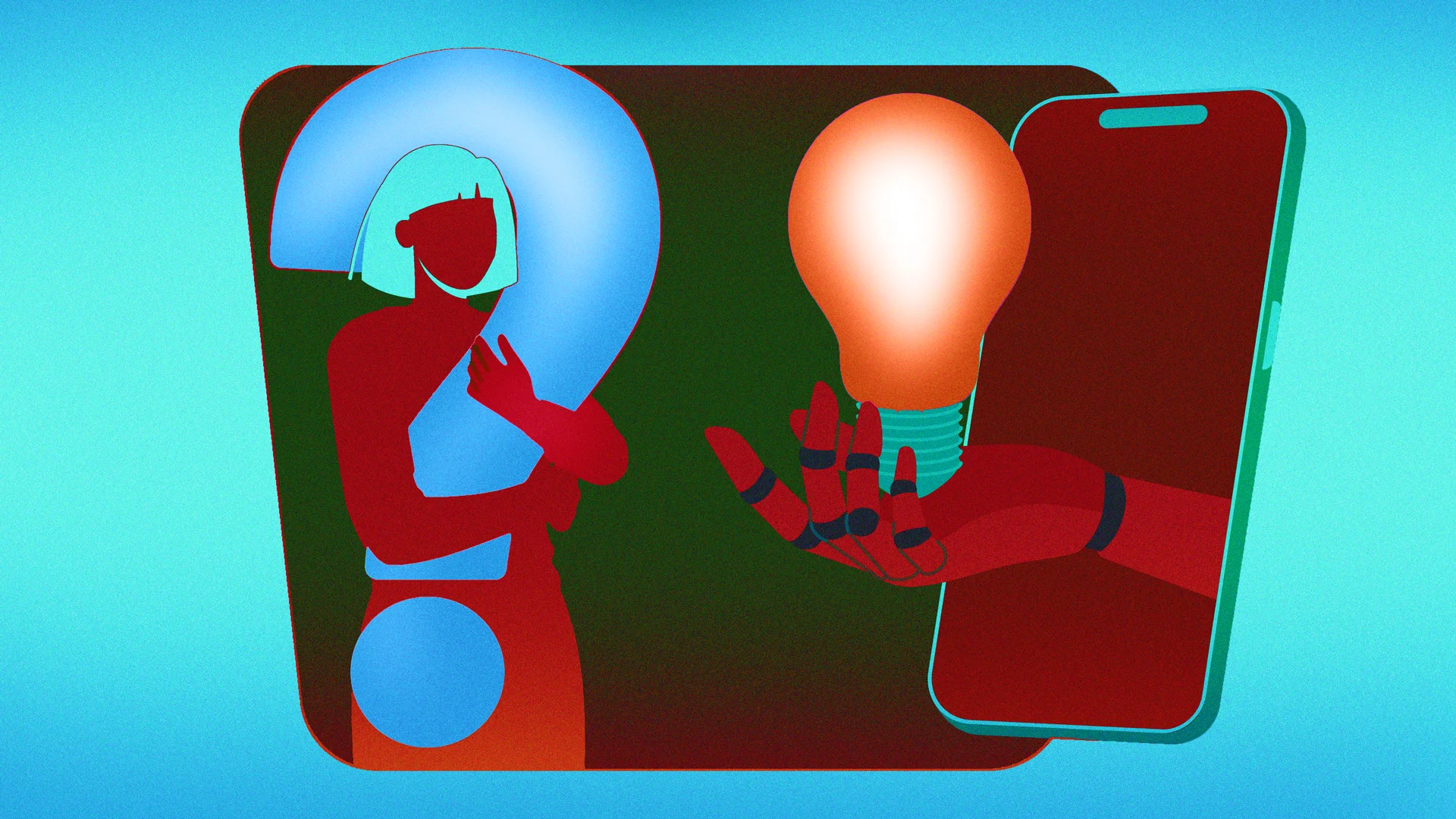
Recent workplace studies reveal a striking shift in corporate behavior: employees increasingly consult artificial intelligence rather than their managers for guidance, signaling a major evolution in leadership.
Source image: inc.com
inc.comThe Shift in Corporate Problem-Solving
The traditional corporate dynamic—where an employee brings a roadblock, question, or draft directly to their supervisor—is undergoing a radical transformation. Recent workplace studies, building on comprehensive industry data, reveal that an overwhelming percentage of professionals now bypass human managers entirely, choosing instead to consult artificial intelligence agents for day-to-day guidance. Whether dealing with intricate workflow blockers, crafting initial project drafts, or seeking quick clarifications, the modern knowledge worker views machine learning tools as an immediate, friction-free resource.
This behavior is not merely a passing tech trend; it represents a fundamental rewiring of how corporate communication flows. Employees are discovering that conversational algorithms provide instant, detailed responses without the delays, scheduling constraints, or interpersonal friction often associated with human hierarchies.
Why Workers Are Bypassing Human Leadership
The decision to lean on algorithms rather than human management stems from multiple psychological and operational factors within the modern office. Understanding these drivers is critical for executives aiming to maintain cohesive organizational cultures:
- Fear of Judgment and Retaliation: Many employees worry that asking basic or foundational questions will expose a lack of competence or trigger professional repercussions. AI offers a secure, judgment-free sounding board.
- Speed and Efficiency: Instantaneous responses outpace the traditional chain of command, allowing teams to maintain momentum without waiting for manager availability.
- Perceived Empathy and Alignment: Surprisingly, a notable segment of workers report that AI systems offer structured, objective advice that effectively addresses their specific operational hurdles without emotional complications.
Market Implications and Organizational Risk
While the rise of AI-driven self-sufficiency boosts short-term individual productivity, it introduces complex structural risks for enterprises. When workers systematically bypass human channels, organizations risk eroding mentorship pipelines, weakening interpersonal trust, and stunting the professional development of early-career talent. Furthermore, heavy reliance on unauthorized or unmonitored external models can expose proprietary corporate data and intellectual property to security vulnerabilities.
For executive leadership, this trend serves as an indicator of systemic management bottlenecks. If employees find it easier to consult an algorithm than a human team leader, it points to a critical deficit in leadership accessibility, psychological safety, and supportive coaching within the organization.
Strategic Recommendations: What Investors and Leaders Should Watch
As corporate landscapes adapt to this new paradigm, stakeholders and executive management teams must monitor several crucial indicators to ensure long-term operational resilience:
- Integration of Internal Enterprise AI: Companies must deploy secure, proprietary LLMs and knowledge bases that keep corporate data safe while meeting employee demands for instant answers.
- Managerial Upskilling: Organizations need to retrain middle management, shifting their core function away from mechanical oversight and toward mentorship, emotional intelligence, and complex problem resolution.
- Cultural Transparency Metrics: Investors should look for enterprises that actively measure and cultivate psychological safety, ensuring that technological adoption does not hollow out vital human collaboration.
Ultimately, the rise of AI as a primary workplace counselor does not render human leadership obsolete; rather, it raises the standard. Executives who successfully bridge the gap between technological efficiency and human empathy will capture the productivity gains of AI while preserving the irreplaceable value of organizational culture.
Continue reading
Related coverage in Business
nytimes.com
David Ellison Targets CNN Leadership Continuity in Paramount Merger Talks
David Ellison is currently negotiating to retain CNN CEO Mark Thompson without oversight from CBS editor in chief Bari Weiss as parent companies navigate merger plans.
2 min read
bbc.com
Decoding Nike’s Slump: How Strategic Missteps Cost the Sportswear Titan Its Edge
Explore the factors behind Nike's dramatic market decline. Industry analysts dissect the self-inflicted strategic errors that shook the sportswear giant.
3 min read
bbc.com
Treasury Committee Directs HMRC to Investigate Tax Implications of Manchester City Case
The UK Treasury Committee has called on HMRC to closely examine potential tax ramifications arising from the high-profile Manchester City legal verdict.
3 min read
nytimes.com
US Imposes Sanctions on Russian Firm A7 Over Global Shell Company Evasion Schemes
The United States targets Russian financial firm A7 with new sanctions following reports of utilizing global shell companies to bypass existing economic restrictions.
3 min read