The Neuroscience of Retention: New EEG Study Reveals How Strategic Rest Unlocks Executive Memory
A groundbreaking university study reveals how targeted rest and brainwave activity tag crucial information for long-term memory consolidation during sleep.
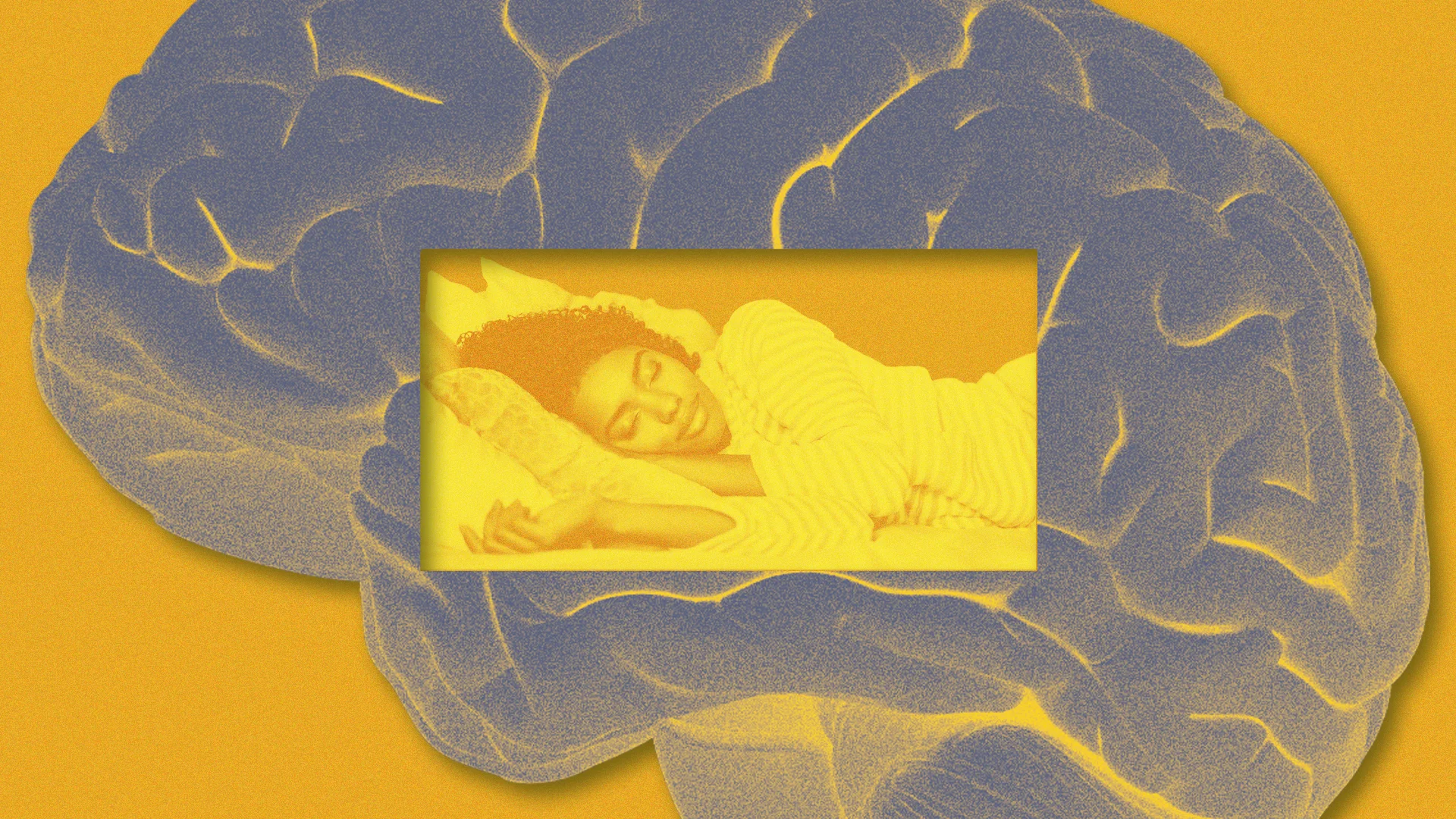
Source image: inc.com
inc.comDecoding the Brain's Curation Mechanism
In the fast-paced world of modern business, leadership efficacy relies heavily on continuous learning, rapid adaptation, and the flawless retention of complex data. However, the human brain is continuously bombarded with vast volumes of information, forcing it to make critical choices about what to retain and what to discard. Groundbreaking research emerging from the University of York has finally demystified a portion of this selection process, offering executives and high-performers a scientifically backed framework for optimizing how they process and store new knowledge.
Led by a team of cognitive neuroscientists, the study investigated how specific brain wave patterns during learning phases act as operational triggers for long-term memory retention. By tracking thirty-one participants using advanced electroencephalography (EEG), the researchers mapped neural responses as subjects engaged in complex cognitive matching tasks. The objective was to uncover whether the brain explicitly marks certain experiences during initial exposure for later integration during periods of restorative rest.
The Critical Role of Theta Oscillations
The core finding centers on theta rhythms—neural oscillations typically ranging between 3 to 8 Hz. The data demonstrated that when participants encountered information associated with heightened theta activity during the learning phase, their brains successfully categorized those items for long-term storage, provided they experienced a subsequent rest or sleep period. Without this specific neural signature, memories failed to undergo the critical consolidation necessary for long-term retrieval.
Furthermore, the investigation revealed that these theta oscillations predicted a deeper coupling between slow neural oscillations and sleep spindles during subsequent rest cycles. This physiological synchronization is widely recognized by neuroscientists as the gold standard for memory processing. In essence, the brain acts as an intelligent archiver, utilizing distinct electrical frequencies to stamp high-priority data for future retrieval while allowing trivial details to fade away.
Strategic Implications for Executive Performance and Corporate Learning
For entrepreneurs, executives, and organizations striving to maximize human capital, these findings carry profound operational implications. Traditional corporate training models frequently rely on continuous, back-to-back information absorption—a strategy that modern neuroscience proves counterproductive. If high-value information is introduced without designated integration windows or opportunities for rest, the brain's natural tagging mechanism is bypassed, leading to severe cognitive degradation and poor retention rates.
Forward-thinking enterprises are already re-evaluating their professional development architectures to align with these biological realities. Key operational adaptations include:
- Integrating Post-Learning Rest: Structuring mandatory downtime or short rest intervals immediately following intensive strategy sessions, mergers training, or technical onboarding.
- Prioritizing Sleep Hygiene: Recognizing sleep not as passive downtime, but as an active, non-negotiable phase of the corporate intelligence-gathering and memory-consolidation pipeline.
- Pacing Information Flow: Avoiding cognitive overload by breaking complex executive briefings into digestible modules interspersed with reflection periods.
Market Implications and Future Outlook
As the corporate landscape increasingly values cognitive agility, mental stamina, and rapid skill acquisition, understanding the precise mechanics of memory will become a competitive advantage. Companies specializing in corporate wellness, edtech, and neuro-enhancement tools are poised to capitalize on these insights by developing personalized learning applications that measure and encourage optimal brainwave states. Investors should keep a close eye on ventures integrating neurofeedback and evidence-based cognitive science into enterprise software suites.
What Investors and Leaders Should Watch
As neuroscience continues to bridge the gap between laboratory discoveries and workplace productivity, executives should monitor several emerging trends:
The Rise of Neuro-Optimized Workplaces: Expect leading firms to formally incorporate cognitive rest periods into daily schedules to enhance decision-making accuracy and reduce burnout.
Advancements in Wearable EEG Technology: Consumer and enterprise-grade brain-monitoring tools will likely evolve to help professionals track their optimal focus and theta-generation windows in real time.
Ultimately, this research underscores a timeless business truth: working harder is secondary to working smarter. By aligning corporate routines with the brain's innate biological rhythms, organizations can unlock unprecedented levels of retention, innovation, and strategic execution.
Continue reading
Related coverage in Business
nytimes.com
David Ellison Targets CNN Leadership Continuity in Paramount Merger Talks
David Ellison is currently negotiating to retain CNN CEO Mark Thompson without oversight from CBS editor in chief Bari Weiss as parent companies navigate merger plans.
2 min read
bbc.com
Decoding Nike’s Slump: How Strategic Missteps Cost the Sportswear Titan Its Edge
Explore the factors behind Nike's dramatic market decline. Industry analysts dissect the self-inflicted strategic errors that shook the sportswear giant.
3 min read
bbc.com
Treasury Committee Directs HMRC to Investigate Tax Implications of Manchester City Case
The UK Treasury Committee has called on HMRC to closely examine potential tax ramifications arising from the high-profile Manchester City legal verdict.
3 min read
nytimes.com
US Imposes Sanctions on Russian Firm A7 Over Global Shell Company Evasion Schemes
The United States targets Russian financial firm A7 with new sanctions following reports of utilizing global shell companies to bypass existing economic restrictions.
3 min read