The High Cost of Sleepmaxxing: Why Executives Should Ditch Wearable Trackers
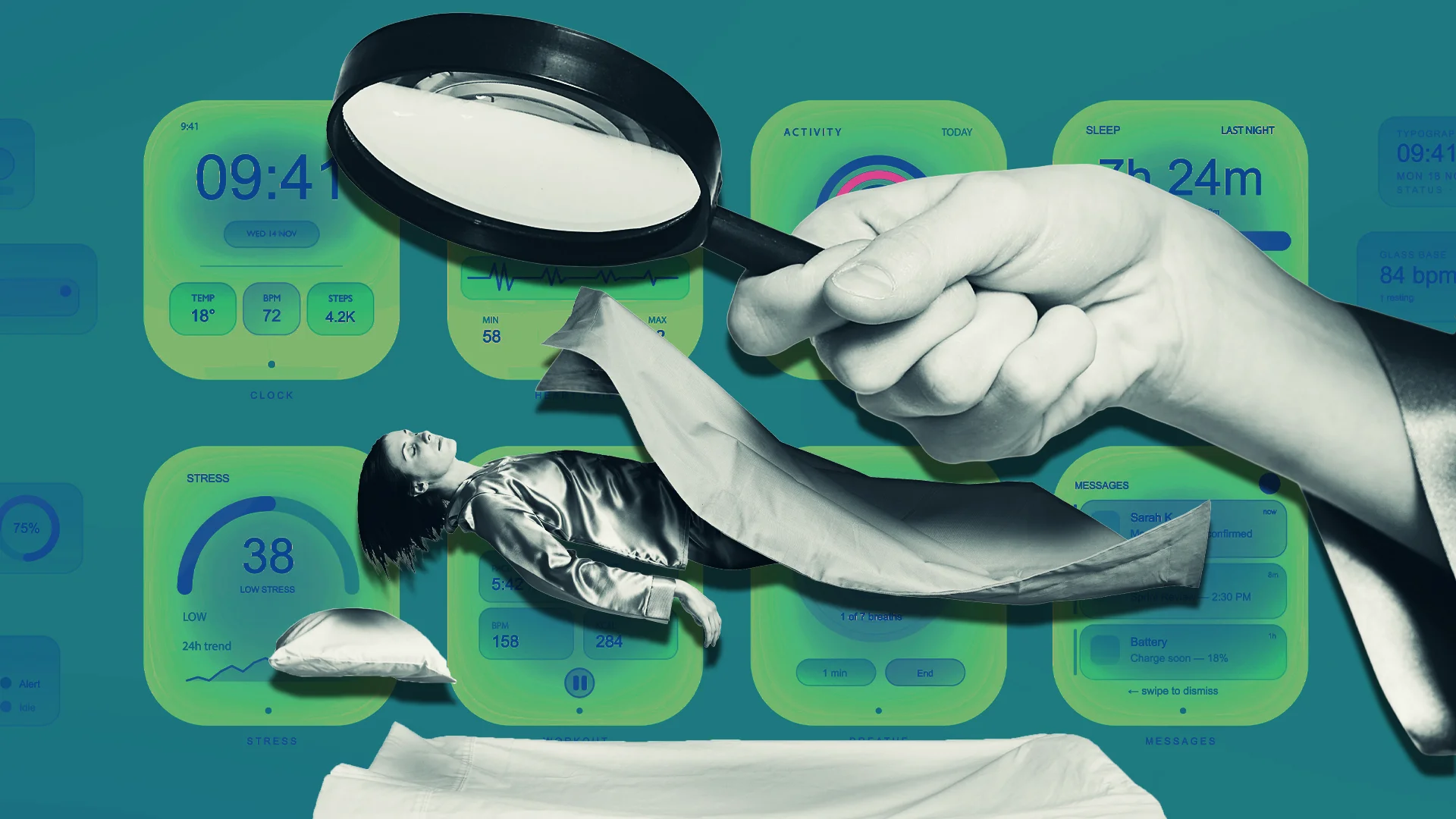
The modern executive obsession with sleepmaxxing and wearable trackers has birthed a psychological phenomenon known as orthosomnia, proving that trying too hard to optimize rest can seriously backfire.
Source image: inc.com
inc.comThe Rise of Sleep Optimization Culture in the Corporate Suite
For years, the modern corporate ethos glorified the hustle, often treating sleep as a negotiable commodity traded for productivity. Today, the pendulum has swung violently in the opposite direction. Executives, entrepreneurs, and high-performing professionals are obsessed with sleep, transforming rest into another competitive metric to be measured, managed, and mastered. This trend—popularly dubbed "sleepmaxxing"—involves an intricate stacking of high-tech gadgets, supplements, environmental controls, and rigid behavioral protocols.
Yet, a growing chorus of medical professionals, sleep specialists, and elite performance coaches are sounding the alarm. Rather than fostering better health, the relentless pursuit of optimized rest is generating a distinct psychological toll. When sleep becomes a performance review, the natural physiological mechanisms that allow the human body to drift off begin to fail.
Understanding Orthosomnia: When Data Breeding Anxiety
At the heart of this backlash is orthosomnia, a term used to describe an obsessive preoccupation with achieving "perfect" sleep metrics as reported by consumer devices. Much like orthorexia in the realm of nutrition, orthosomnia occurs when individuals no longer trust their own internal physical cues, relying instead on the algorithmic score provided by a ring, watch, or bedside sensor.
Performance coach Sam Neame, who advises elite athletes and corporate executives, notes that wearable trackers frequently introduce counterproductive psychological pressure. When an executive wakes up and immediately reviews a low recovery score or a deficit in deep sleep, a psychological priming effect occurs. Even if they feel physically well, the data convinces them they are under-recovered, sparking unnecessary anxiety that actively impairs daily cognitive function and subsequent nights of rest.
The Market Implications of Consumer Wearable Skepticism
The booming wellness technology market, valued in the billions, relies heavily on the consumer's desire for self-quantification. However, cracks are beginning to show in the commercial narrative. Recent legal scrutiny and class-action lawsuits targeting major wearable manufacturers over the accuracy of sleep-tracking algorithms have forced investors and consumers alike to question the validity of these insights.
- Consumer sleep trackers often exhibit meaningful discrepancies when compared against clinical polysomnography.
- Over-reliance on unverified health tech can mask underlying physiological issues, such as sleep apnea, requiring genuine medical intervention rather than software updates.
- The psychological friction of constant tracking can induce chronic sleep-onset anxiety, turning tools meant for wellness into clinical stressors.
Strategic Takeaways for Investors and Business Leaders
For executives navigating high-stress environments, optimizing cognitive output requires a paradigm shift away from gadget-driven panic. True rest is an organic, involuntary process that thrives on psychological safety and physiological detachment, not micromanagement.
Investors eyeing the digital health and longevity sectors must also take note. While consumer biometric tracking remains a lucrative market, future growth will likely depend on tools that promote actionable, low-anxiety behavioral insights rather than hyper-detailed, stressful scorecards. Ultimately, the market is beginning to realize that the most effective sleep strategy is often the simplest one: turning off the screens, ditching the algorithms, and trusting the body's natural capacity to recover.
Continue reading
Related coverage in Business
nytimes.com
David Ellison Targets CNN Leadership Continuity in Paramount Merger Talks
David Ellison is currently negotiating to retain CNN CEO Mark Thompson without oversight from CBS editor in chief Bari Weiss as parent companies navigate merger plans.
2 min read
bbc.com
Decoding Nike’s Slump: How Strategic Missteps Cost the Sportswear Titan Its Edge
Explore the factors behind Nike's dramatic market decline. Industry analysts dissect the self-inflicted strategic errors that shook the sportswear giant.
3 min read
bbc.com
Treasury Committee Directs HMRC to Investigate Tax Implications of Manchester City Case
The UK Treasury Committee has called on HMRC to closely examine potential tax ramifications arising from the high-profile Manchester City legal verdict.
3 min read
nytimes.com
US Imposes Sanctions on Russian Firm A7 Over Global Shell Company Evasion Schemes
The United States targets Russian financial firm A7 with new sanctions following reports of utilizing global shell companies to bypass existing economic restrictions.
3 min read