The Hidden Vulnerability of Celebrity-Led Brands: What Alex Cooper’s Recent Setbacks Reveal for Investors
Alex Cooper’s Hulu series cancellation and beverage company closure highlight the severe scalability and audience retention risks facing celebrity-founded brands today.
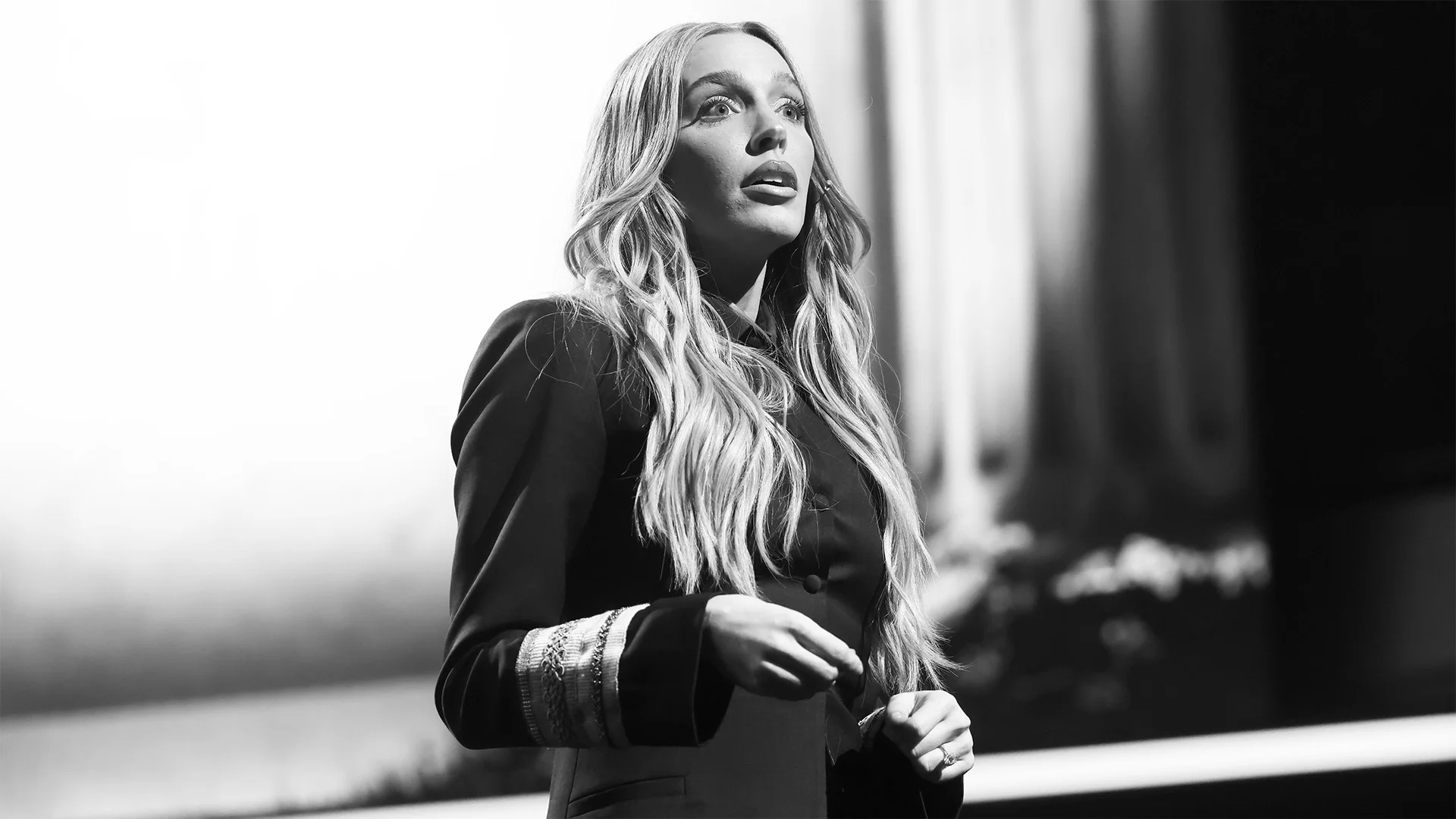
Source image: inc.com
inc.comThe Anatomy of a Celebrity Brand Correction
In the modern media and consumer landscape, few figures command the cultural and economic influence of Alex Cooper. Known globally for her blockbuster podcast Call Her Daddy, Cooper successfully expanded her footprint into a multi-vertical media empire under the Unwell Productions banner. However, recent developments—including the cancellation of her Hulu dating series Love Overboard after just one season and the impending wind-down of the Unwell Beverage Co.—have sent ripples through the investment community. For institutional investors, venture capitalists, and brand architects, these parallel pullbacks offer a vital case study in the inherent fragilities of celebrity-founded enterprises.
The Core Risk: Translating Engagement into Equity
The primary hazard exposed by these recent corporate adjustments is the dangerous illusion of cross-platform audience transferability. A loyal podcast following or social media core does not automatically translate into sustained viewership for unscripted television or long-term loyalty in fast-moving consumer goods (FMCG).
- Audience Fragmentation: Consumers interact with digital audio and social video on an intimate, highly personalized level. Transitioning that audience to structured streaming content often strips away the authentic intimacy that made the creator popular in the first place.
- FMCG Margin Pressures: The beverage sector demands robust supply chain logistics, high distribution density, and continuous capital expenditure. Influencer-led CPG brands frequently struggle with repeat purchase rates once the initial wave of novelty-driven consumer curiosity fades.
- Brand Dilution: When an umbrella media company simultaneously launches scripted dramas, unscripted reality shows, energy drinks, and digital networks, the core brand equity can become overly fragmented, confusing both consumers and advertisers.
Market Implications for Media and Venture Capital
Despite these high-profile project contractions, the broader financial valuation of Cooper's parent entity remains remarkably resilient. Unwell Productions recently secured a monumental investment from Patrick Whitesell’s WTSL, anchoring the company's valuation at an impressive $500 million. This dynamic reveals a nuanced reality of contemporary media investing: institutional backers are increasingly separating legacy-style operational missteps from core digital audio and platform monetization powerhouses.
However, venture capitalists pouring capital into creator-economy startups must take note. The market is maturing past the era where a famous name alone guarantees immunity from economic realities. Streaming platforms like Hulu and Disney are facing stricter profitability metrics, forcing them to ruthlessly cut underperforming content regardless of who occupies the executive producer chair. Similarly, crowded retail shelves leave zero margin for error for celebrity beverage or lifestyle products that fail to secure organic, non-influencer-driven repeat buyers.
Strategic Takeaways for Executive Investors
For executives and investors deploying capital in the creator economy, diversification must be managed with extreme tactical discipline. Key indicators to monitor moving forward include:
- Execution Versus Endorsement: Assess whether the founder is acting as a passive marketing figurehead or an active operational architect with skin in the game.
- Platform Diversification: Check if revenue streams rely too heavily on single-platform licensing deals or volatile ad markets.
- Consumer Retention Metrics: Look past vanity metrics like initial launch sales or social media impressions to evaluate genuine customer lifetime value (LTV) and repeat purchase rates.
Ultimately, Alex Cooper’s ability to pivot toward scripted projects—such as upcoming dramatic ventures with established stars—proves that resilience is possible when founders lean into their core competencies. For astute investors, the lesson is clear: celebrity brands can generate astronomical top-line attention, but long-term enterprise value requires the same rigorous operational fundamentals as any traditional corporate titan.
Continue reading
Related coverage in Business
nytimes.com
David Ellison Targets CNN Leadership Continuity in Paramount Merger Talks
David Ellison is currently negotiating to retain CNN CEO Mark Thompson without oversight from CBS editor in chief Bari Weiss as parent companies navigate merger plans.
2 min read
bbc.com
Decoding Nike’s Slump: How Strategic Missteps Cost the Sportswear Titan Its Edge
Explore the factors behind Nike's dramatic market decline. Industry analysts dissect the self-inflicted strategic errors that shook the sportswear giant.
3 min read
bbc.com
Treasury Committee Directs HMRC to Investigate Tax Implications of Manchester City Case
The UK Treasury Committee has called on HMRC to closely examine potential tax ramifications arising from the high-profile Manchester City legal verdict.
3 min read
nytimes.com
US Imposes Sanctions on Russian Firm A7 Over Global Shell Company Evasion Schemes
The United States targets Russian financial firm A7 with new sanctions following reports of utilizing global shell companies to bypass existing economic restrictions.
3 min read