The Gut-Brain Circuit: Groundbreaking Study Reveals How Digestion Directs Memory and Cognitive Health
A groundbreaking USC study reveals that nutrient signals traveling from the stomach via the vagus nerve directly power brain memory centers, while junk-food diets degrade this vital pathway.
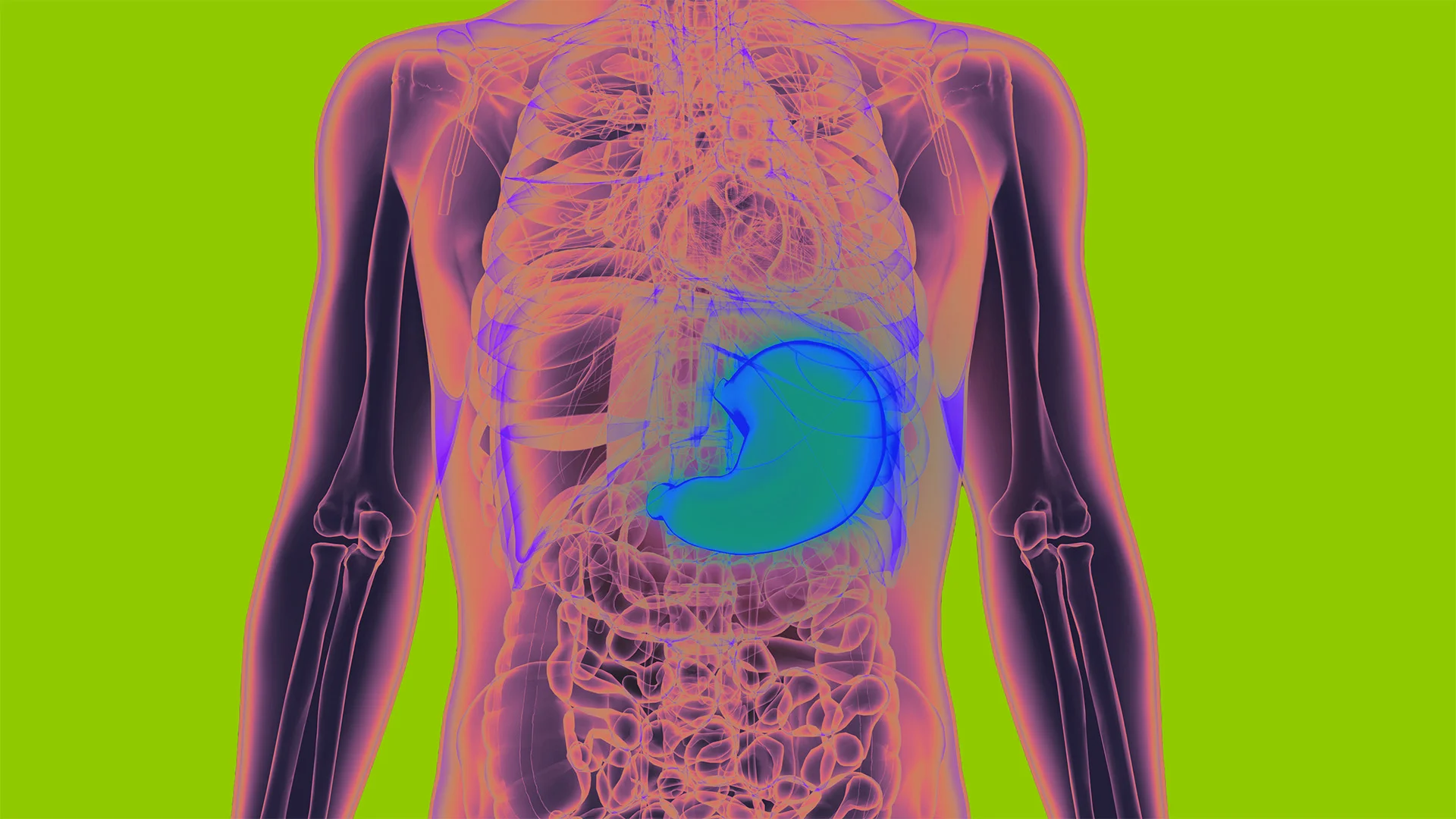
Source image: inc.com
inc.comUnlocking the Biological Highway Between Stomach and Mind
For decades, traditional neuroscience has operated under the assumption that memory formation, cognitive retention, and neurological processing are functions restricted entirely to cranial architecture. The brain has long been treated as an isolated command center, processing external stimuli and internal states without direct operational input from peripheral organs. However, a landmark study conducted by researchers at the University of Southern California (USC) and published in Nature Communications is fundamentally challenging this paradigm, proving that the human digestive tract plays an active, indispensable role in shaping how we remember our environment.
Led by Scott Kanoski, a professor of biological sciences at the USC Dornsife College of Letters, Arts and Sciences, the research team investigated the intricate communication web known as the vagus nerve. Serving as a principal communication superhighway connecting the viscera to the central nervous system, the vagus nerve has historically been recognized for its regulatory oversight of digestion, metabolic pacing, and satiety. This latest investigation, however, demonstrates that its biological portfolio extends deeply into cognitive architecture, specifically governing how nutritional data is translated into long-term behavioral memories.
The Mechanics of Nutritionally Induced Memory
To decode how the stomach interacts with cognitive centers, the researchers monitored neural responses in subjects consuming various diets. The findings revealed a sophisticated physiological sorting mechanism:
- Nutrient Activation: Consumption of genuinely nutritious, energy-dense foods triggered chemical signals that ascended the vagus nerve directly to the hippocampus—the brain's primary memory hub.
- Neurotransmitter Surge: This gut-originating signal sparked a marked increase in acetylcholine, an essential neurotransmitter responsible for encoding new information and consolidating memory traces.
- The Taste Test Discrepancy: When subjects were given non-caloric, artificially sweetened liquids that mimicked flavor without nutritional yield, the acetylcholine surge failed to materialize, confirming that the biological circuit responds to true biochemical utility rather than mere sensory flavor.
- Impaired Pathways: When researchers surgically or chemically interrupted vagus nerve signaling, the post-meal memory boost vanished entirely, resulting in measurable deficits in spatial memory tasks involving food retrieval.
Market Implications and Neurotherapeutic Frontiers
From an executive and investor perspective, the implications of the USC study extend far beyond academic physiology. As global healthcare markets grapple with rising rates of metabolic disorders, obesity-related cognitive impairments, and neurodegenerative conditions like Alzheimer’s disease, identifying peripheral intervention points represents a massive commercial opportunity.
The study noted that diminished acetylcholine signaling in the hippocampus is among the earliest neurochemical markers of Alzheimer's pathology. By demonstrating that vagus nerve signaling naturally stimulates this exact chemical pathway, the research establishes a powerful biological rationale for non-invasive or minimally invasive bioelectronic therapies. Vagus nerve stimulation (VNS), already utilized in treating drug-resistant epilepsy and depression, could see accelerated clinical development targeted specifically at cognitive preservation and metabolic-driven dementia.
Long-Term Dietary Damage and Corporate Health Strategies
Perhaps the most sobering economic and public health takeaway from the research involves the long-term impact of modern diets. The study revealed that subjects exposed to chronic high-fat, high-sugar diets early in life exhibited permanent or long-lasting degradation in gut-to-hippocampus communication. Crucially, this communication deficit persisted even after the subjects transitioned back to clean, balanced nutritional profiles.
This irreversible blunting of the gut-brain axis provides a concrete physiological mechanism connecting modern ultra-processed diets to systemic cognitive decline. For corporate wellness providers, nutraceutical developers, and functional food innovators, the mandate is clear. Capital must flow toward prophylactic solutions that protect or restore gut-brain integrity before permanent neural pathway damage occurs.
What Investors Should Watch
As the commercial landscape pivots toward personalized medicine and bioelectronic integration, stakeholders should monitor several key milestones within the sector:
Vagus Nerve Therapeutics: Biopharmaceutical and medical device startups developing targeted bioelectronic stimulators aimed at enhancing cognitive function via peripheral nerve pathways.
Microbiome-Derived Therapeutics: Advanced biotech pipelines focusing on specific microbial metabolites—such as short-chain fatty acids—that facilitate gut-brain communication and synaptic plasticity.
Nutraceutical Compliance: Consumer health companies engineering functional foods designed to safeguard vagal signaling pathways against the corrosive effects of Western dietary patterns.
Ultimately, the stomach-brain connection redefines our understanding of human intelligence and memory. For forward-thinking investors, decoding the metabolic language of the gut is no longer just a matter of digestive wellness—it is the next major frontier in neurological defense and cognitive longevity.
Continue reading
Related coverage in Business
nytimes.com
David Ellison Targets CNN Leadership Continuity in Paramount Merger Talks
David Ellison is currently negotiating to retain CNN CEO Mark Thompson without oversight from CBS editor in chief Bari Weiss as parent companies navigate merger plans.
2 min read
bbc.com
Decoding Nike’s Slump: How Strategic Missteps Cost the Sportswear Titan Its Edge
Explore the factors behind Nike's dramatic market decline. Industry analysts dissect the self-inflicted strategic errors that shook the sportswear giant.
3 min read
bbc.com
Treasury Committee Directs HMRC to Investigate Tax Implications of Manchester City Case
The UK Treasury Committee has called on HMRC to closely examine potential tax ramifications arising from the high-profile Manchester City legal verdict.
3 min read
nytimes.com
US Imposes Sanctions on Russian Firm A7 Over Global Shell Company Evasion Schemes
The United States targets Russian financial firm A7 with new sanctions following reports of utilizing global shell companies to bypass existing economic restrictions.
3 min read