The Great Beer Heist: How Pabst Blue Ribbon Turned a Massive Supply Chain Crime Into Viral Gold
When 40,000 pounds of Pabst Blue Ribbon vanished in a sophisticated cargo scam, the brand responded with a viral marketing masterclass that turned a costly inventory loss into unprecedented consumer engagement.
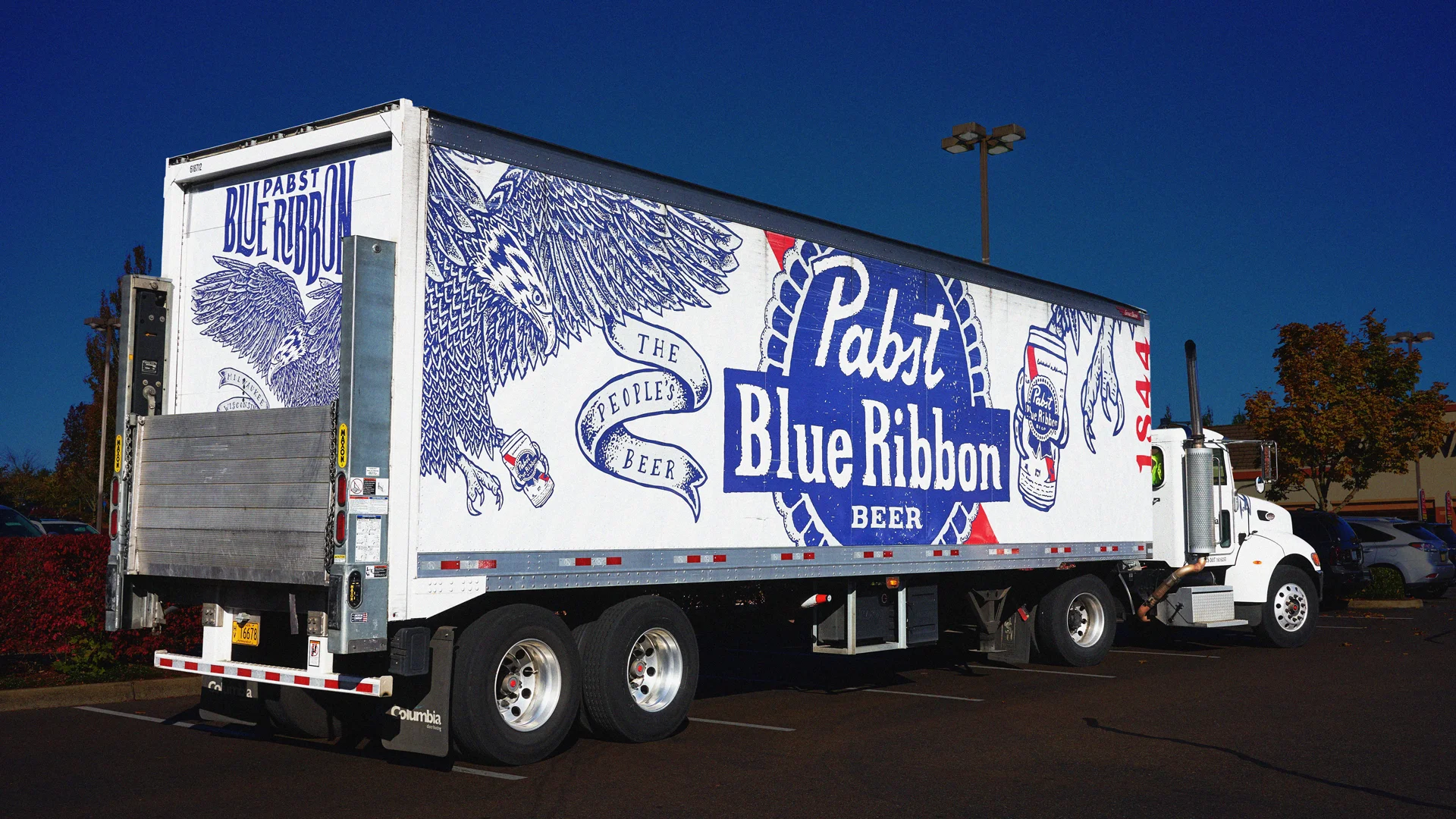
Source image: inc.com
inc.comAnatomy of a Multimillion-Dollar Supply Chain Heist
The logistics and supply chain sector has faced an alarming surge in sophisticated cargo fraud, culminating recently when roughly 40,000 pounds of Pabst Blue Ribbon (PBR) beer evaporated from an Anheuser-Busch distribution center in Montclair, California. Investigators note that the operation was no crude smash-and-grab; rather, perpetrators utilized meticulously forged documentation, posing as legitimate subcontracted carriers to commandeer the truckload in broad daylight.
Police departments and industry analysts are investigating whether this incident is tied to a parallel theft occurring on the exact same morning, which saw an additional Arizona-bound shipment worth tens of thousands of dollars disappear into the underground freight network. These events underscore a systemic vulnerability in modern distribution hubs, where rapid-turnaround gate checks frequently prioritize velocity over rigorous credential verification.
The Economics of Cargo Crime in the Consumer Goods Sector
For executive leadership teams across the consumer packaged goods (CPG) landscape, freight theft is transforming from a minor operational nuisance into a major bottom-line hazard. Industry figures indicate that cargo theft losses have escalated dramatically over recent cycles, with California emerging as one of the most volatile regions nationwide for freight security.
- Rising Sophistication: Criminal rings routinely exploit digital brokerages and identity theft to infiltrate freight matching platforms.
- High-Value Targets: High-demand consumer consumables, alcohol, and specialty foods are uniquely vulnerable due to their swift liquidity on secondary markets.
- Insurance and Mitigation Costs: Increased freight crime directly translates to inflated insurance premiums and mandatory technology upgrades for fleet tracking.
Transforming Operational Crises into Marketing Leverage
While the physical loss and administrative headache are substantial, Pabst Blue Ribbon executed an aggressive pivot that flipped the narrative entirely. Instead of issuing a dry corporate press release, the legacy brewing brand took directly to social media platforms with dramatic flair, issuing a whimsical ultimatum giving the culprits an arbitrary countdown of "18 days and 44 minutes" to return the cargo.
The digital reaction was immediate and astronomical. Engagement metrics across PBR's channels skyrocketed, outperforming standard promotional content by exponential margins. By humanizing the crisis and treating a localized crime with internet-savvy humor, the brand captured millions of impressions in earned media—effectively securing a public relations windfall worth vastly more than the underlying inventory value.
Strategic Takeaways and What Investors Should Watch
For investors, corporate executives, and market strategists, the PBR cargo incident serves as a multi-layered case study blending supply chain security with brand resilience.
Ultimately, while cargo theft remains a costly friction point for modern commerce, the PBR phenomenon proves that corporate adaptability can transform acute operational vulnerabilities into powerful brand equity.
Continue reading
Related coverage in Business
nytimes.com
David Ellison Targets CNN Leadership Continuity in Paramount Merger Talks
David Ellison is currently negotiating to retain CNN CEO Mark Thompson without oversight from CBS editor in chief Bari Weiss as parent companies navigate merger plans.
2 min read
bbc.com
Decoding Nike’s Slump: How Strategic Missteps Cost the Sportswear Titan Its Edge
Explore the factors behind Nike's dramatic market decline. Industry analysts dissect the self-inflicted strategic errors that shook the sportswear giant.
3 min read
bbc.com
Treasury Committee Directs HMRC to Investigate Tax Implications of Manchester City Case
The UK Treasury Committee has called on HMRC to closely examine potential tax ramifications arising from the high-profile Manchester City legal verdict.
3 min read
nytimes.com
US Imposes Sanctions on Russian Firm A7 Over Global Shell Company Evasion Schemes
The United States targets Russian financial firm A7 with new sanctions following reports of utilizing global shell companies to bypass existing economic restrictions.
3 min read