The Eight-Hour Sleep Myth: How Industrialization Created Modern Wellness Dogmas
A groundbreaking review reveals that the ubiquitous eight-hour sleep rule is a 19th-century industrial construct rather than a biological mandate.
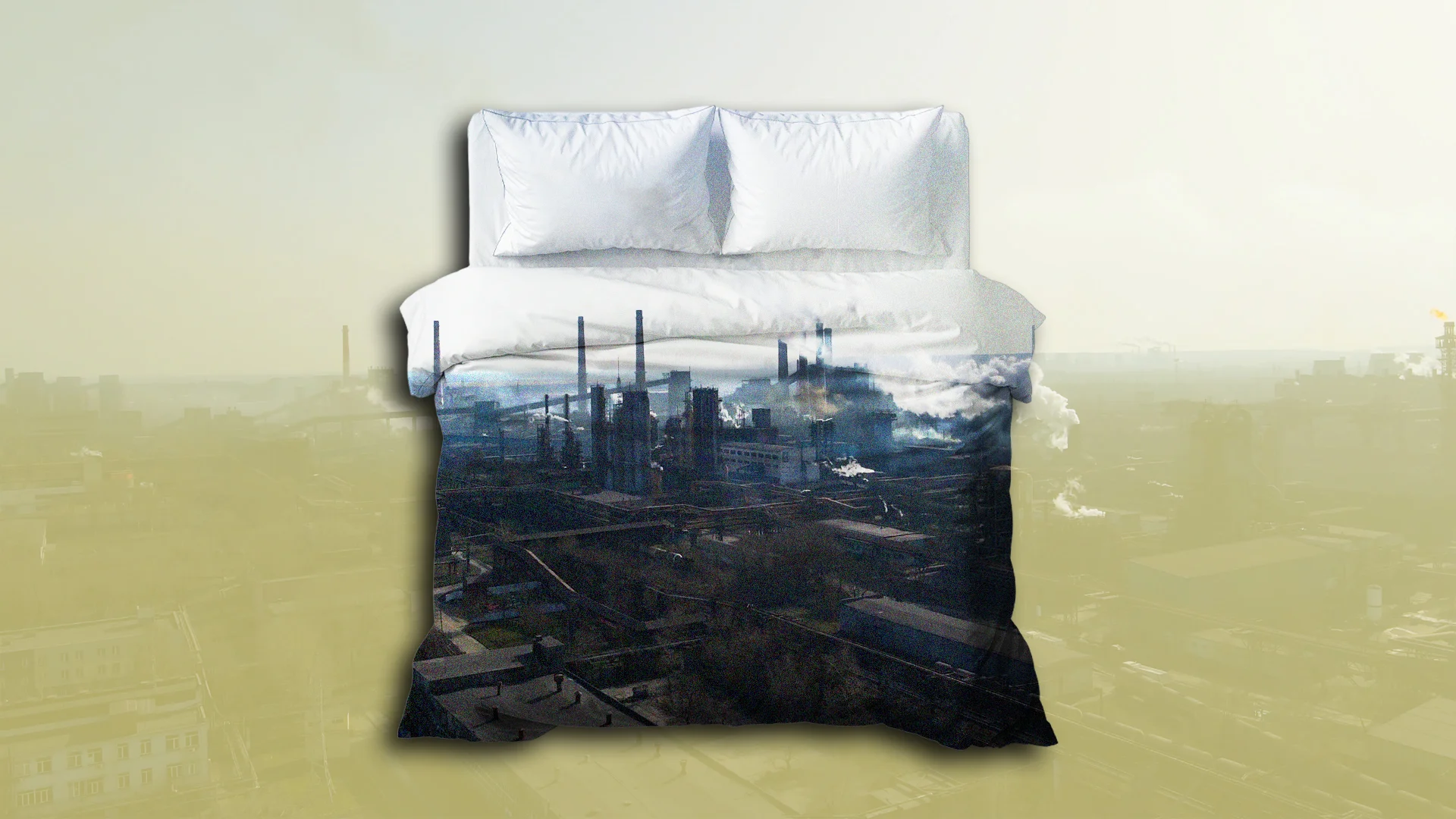
Source image: inc.com
inc.comDeconstructing the Eight-Hour Sleep Dogma
For nearly a century and a half, the mandate of eight hours of nightly sleep has reigned supreme as the ultimate gold standard for human health, productivity, and longevity. It is hardcoded into corporate wellness programs, prominently displayed on consumer wearable dashboards, and treated by medical professionals as an immutable biological requirement. However, a comprehensive narrative review published in the journal Brain Medicine upends this long-held convention, revealing that the eight-hour benchmark was never rooted in rigorous biological science. Instead, it is a cultural artifact born out of the 19th-century industrial revolution.
Led by an international team of researchers, the study synthesizes anthropological fieldwork, historical archives, and comparative genomics to trace the origins of modern sleep habits. The findings suggest that while modern society treats eight hours as a universal clinical threshold, human biology is far more flexible and individualized than previously acknowledged.
The Industrial Origins of a Social Construct
The fixation on the eight-hour sleep window traces back to mid-19th-century social reform movements and industrial organizing, which popularized a tidy arithmetic for the modern day: eight hours of labor, eight hours of recreation, and eight hours of rest. According to the review's authors, this formula quickly hardened into societal common sense without ever undergoing systematic empirical validation.
To test whether consolidated eight-hour sleep is an evolutionary baseline, researchers examined contemporary pre-industrial populations—such as the Hadza of Tanzania, the San of Namibia, and the Tsimane of Bolivia—who live largely free from the influence of artificial electric light. The data revealed that adults in these societies typically sleep between 6.4 and 7.1 hours per night, closely tracking local dusk-to-dawn cycles without exhibiting the chronic sleep deprivation pathology seen in industrialized nations.
Core Findings from the Research
- Industrialization Shifted Timelines: Modern society's primary divergence from ancestral patterns is not necessarily total duration, but rather the timing and regularity of rest.
- Absence of Biological Mandates: Pre-industrial populations demonstrate that human sleep duration naturally fluctuates based on seasonal shifts, energy expenditure, and individual physiology.
- The Myth of Fragmented Sleep: Field data showed that these groups predominantly experience consolidated nighttime rest rather than the multi-phase "segmented sleep" patterns popularized in ancestral health folklore.
- Consistency Over Quantity: The clinical literature increasingly points to circadian alignment and behavioral regularity as primary predictors of long-term health outcomes.
Market Implications for Sleep Tech and Corporate Wellness
The unravelling of the eight-hour myth carries profound implications for the commercial landscape, particularly for the burgeoning digital health, wearable technology, and corporate wellness sectors. For years, consumer sleep trackers have gamified sleep around rigid, one-size-fits-all duration scores, inadvertently fostering performance anxiety among users trying to hit an arbitrary numerical target.
As scientific consensus pivots toward personalized metrics—emphasizing sleep efficiency, circadian consistency, and biological individuality over raw hours—hardware and software manufacturers must adapt their algorithms. Companies that successfully transition from generic duration tracking to sophisticated circadian analytics will capture significant market share among discerning consumers and enterprise wellness buyers seeking data-driven, highly individualized health solutions.
What Investors and Executives Should Watch
For investors deploying capital into life sciences, digital health, and consumer therapeutics, this paradigm shift opens new avenues for innovation. Key indicators to monitor include:
- Next-Generation Biometrics: The commercialization of diagnostic and consumer tools that measure circadian alignment, core body temperature rhythms, and metabolic sleep efficiency rather than just movement and duration.
- Personalized Corporate Wellness: A structural shift away from blanket corporate sleep hygiene campaigns toward dynamic programs that respect chronotypes and flexible employee rest patterns.
- Regulatory and Clinical Shifts: How primary care providers and sleep medicine clinics adapt their diagnostic criteria for insomnia and sleep disorders in light of expanding evolutionary data.
Ultimately, the realization that human sleep is fundamentally adaptable frees executives and high-performers from the anxiety of the eight-hour benchmark. By focusing on internal rhythm, consistency, and holistic recovery rather than a rigid clock, the market moves toward a more mature, scientifically grounded era of health optimization.
Continue reading
Related coverage in Rankings
bbc.com
Thames Water Issues Apology Following Major £145,000 Billing Error
Thames Water has issued a formal apology to a family after a severe customer billing mistake totaling £145,000, highlighting ongoing operational challenges.
3 min read
bbc.com
UK Engages EU Allies Over Emergency Diesel Stock Release Amid US Export Ban Threats
The UK is in talks with European partners to potentially release strategic fuel reserves as US President Donald Trump threatens a diesel export ban to curb domestic prices.
3 min read
bbc.com
Travelodge Under Fire After Review Reveals Systemic Safety Failures and Room Intrusions
A damning independent review reveals Travelodge failed a sexual assault victim at every turn, with unauthorized room intrusions still plaguing one in ten hotels.
3 min read
bbc.com
Trump's AI Rebrand Sparks Unprecedented Demand for Slovenian Domain Names
Donald Trump's proposed rebrand of artificial intelligence to super intelligence, or SI, has triggered a massive surge in demand for Slovenian website domains.
2 min read