The Billion-Dollar Push for a Dolly Parton Airport Faces Strict Regulatory Roadblocks
Tennessee leaders want to rename the Nashville airport after Dolly Parton, but strict legacy rules and a multi-million dollar price tag stand in the way.
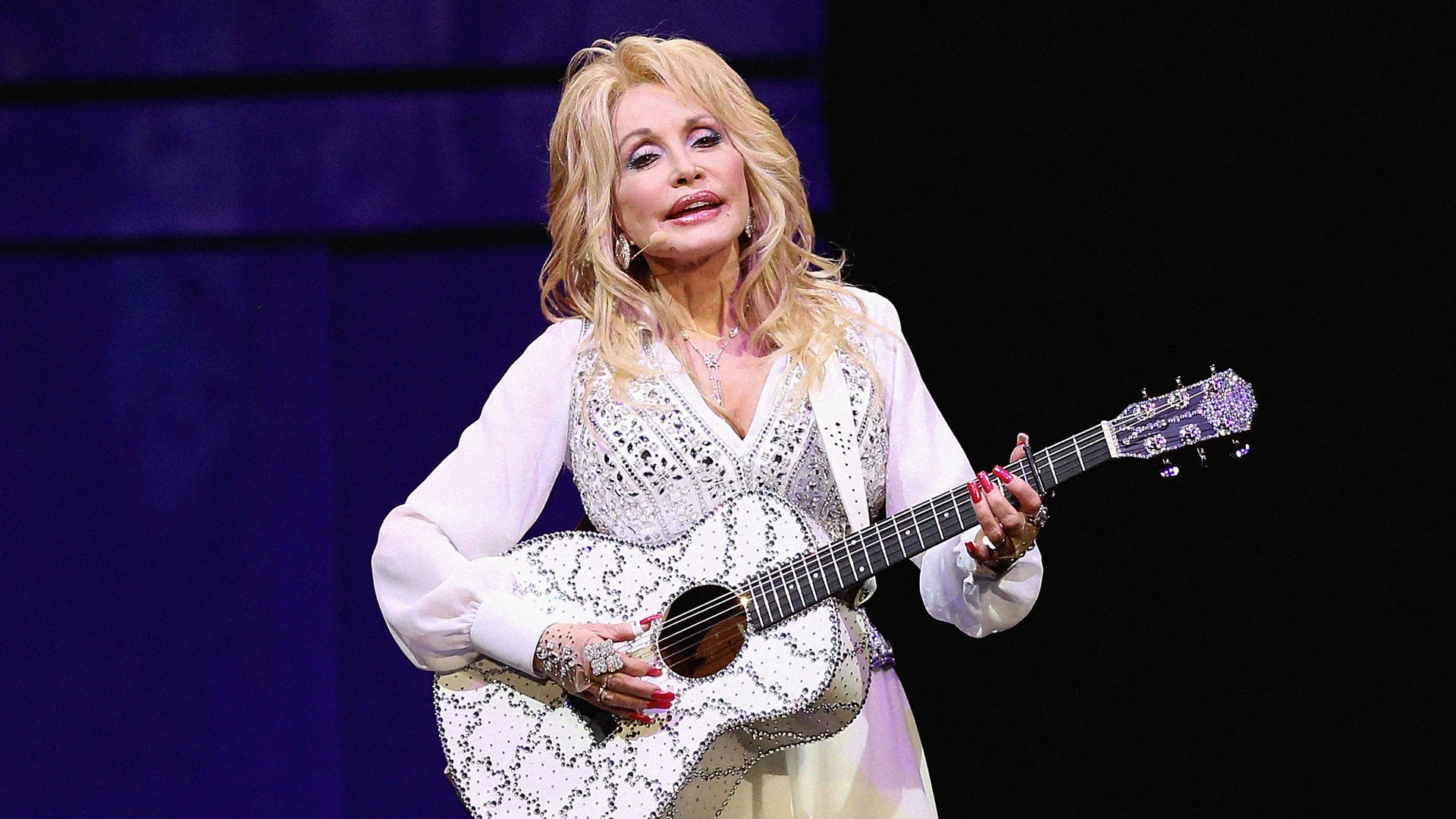
Source image: inc.com
inc.comA Bipartisan Push for Cultural Iconography
In a rare display of political alignment, Tennessee Governor Bill Lee and Nashville Mayor Freddie O'Connell have thrown their weight behind a massive public movement to rename the Nashville International Airport in honor of global superstar Dolly Parton. What began as a grassroots petition initiated by residents has quickly snowballed into a mainstream cultural and political objective, garnering more than 170,000 signatures. Proponents argue that renaming the transportation hub after one of the state's most celebrated philanthropists and artists would provide an unforgettable welcoming experience for millions of travelers entering Middle Tennessee.
Dolly Parton's immense commercial and cultural footprint spans decades, encompassing legendary musical contributions, the globally recognized Dollywood enterprise, and extensive philanthropic networks. Supporters emphasize her unique ability to transcend partisan divides, serving as a rare unifying figure in an otherwise polarized social and political climate. For business leaders and municipal officials, branding the primary gateway of Tennessee's booming capital with the Parton moniker represents an unmatched marketing coup.
The Decades-Old Governance Hurdles
Despite enthusiastic backing from the governor's office and city hall, turning public sentiment into reality faces rigid institutional barriers. The Nashville International Airport operates under strict legacy governance guidelines established by its governing authority. Current bylaws stipulate that any major infrastructure renaming honor can only be bestowed upon individuals who have been deceased for a minimum of two years and who have made a direct, demonstrable impact on aviation or the airport itself. Because Dolly Parton is actively living, the current framework legally precludes immediate executive action.
Furthermore, the financial implications of such a massive rebranding effort are substantial. Internal estimates from the airport authority suggest that executing a comprehensive name change would exceed $10 million. This capital expenditure would cover updated structural signage, comprehensive digital asset overhauls, revised merchandise lines, and significant logistical changes to shuttle bus fleets and public transit markers. For institutional investors and regional financial analysts, undertaking a multi-million-dollar rebrand requires clear justification regarding long-term return on investment and passenger experience enhancements.
Broader Market Implications and Strategic Context
The campaign to rename the airport does not exist in a vacuum; it follows years of localized political jockeying over the control and identity of Nashville's primary economic engine. Previous legislative proposals to name portions of regional infrastructure after various political figures sparked intense friction between state lawmakers and municipal authorities. Rallying around a universally beloved figure like Dolly Parton emerged in part as a strategic counterweight to politically charged naming debates.
- Infrastructure Financing: Local authorities must weigh discretionary spending on aesthetic rebranding against pressing commercial expansion needs at the rapidly growing airport.
- Brand Equity: Aligning Nashville's core travel hub with an elite global brand like Dolly Parton could amplify tourism metrics and boost regional retail revenues.
- Governance Precedent: Altering strict historical naming bylaws could set a precedent for how municipal and state agencies handle future corporate or celebrity sponsorships of public assets.
What Investors and Executives Should Watch
As this high-profile debate unfolds, key stakeholders in travel, tourism, and municipal finance should monitor several critical developments. First, watch for any formal motions by the airport authority to amend or create conditional exemptions within its legacy naming guidelines. Second, pay close attention to structural financing proposals—specifically whether public funds, private donations, or commercial partnerships would absorb the estimated $10 million transition cost. Finally, evaluate how local consumer sentiment translates into long-term commercial metrics for Middle Tennessee's booming hospitality and aviation sectors.
Continue reading
Related coverage in Business
nytimes.com
David Ellison Targets CNN Leadership Continuity in Paramount Merger Talks
David Ellison is currently negotiating to retain CNN CEO Mark Thompson without oversight from CBS editor in chief Bari Weiss as parent companies navigate merger plans.
2 min read
bbc.com
Decoding Nike’s Slump: How Strategic Missteps Cost the Sportswear Titan Its Edge
Explore the factors behind Nike's dramatic market decline. Industry analysts dissect the self-inflicted strategic errors that shook the sportswear giant.
3 min read
bbc.com
Treasury Committee Directs HMRC to Investigate Tax Implications of Manchester City Case
The UK Treasury Committee has called on HMRC to closely examine potential tax ramifications arising from the high-profile Manchester City legal verdict.
3 min read
nytimes.com
US Imposes Sanctions on Russian Firm A7 Over Global Shell Company Evasion Schemes
The United States targets Russian financial firm A7 with new sanctions following reports of utilizing global shell companies to bypass existing economic restrictions.
3 min read