The Billion-Dollar Multiplier: Why Warren Buffett Considers Communication the Ultimate Leadership Edge
According to legendary investor Warren Buffett, mastering the art of communication can instantly multiply your professional value by 50 percent.
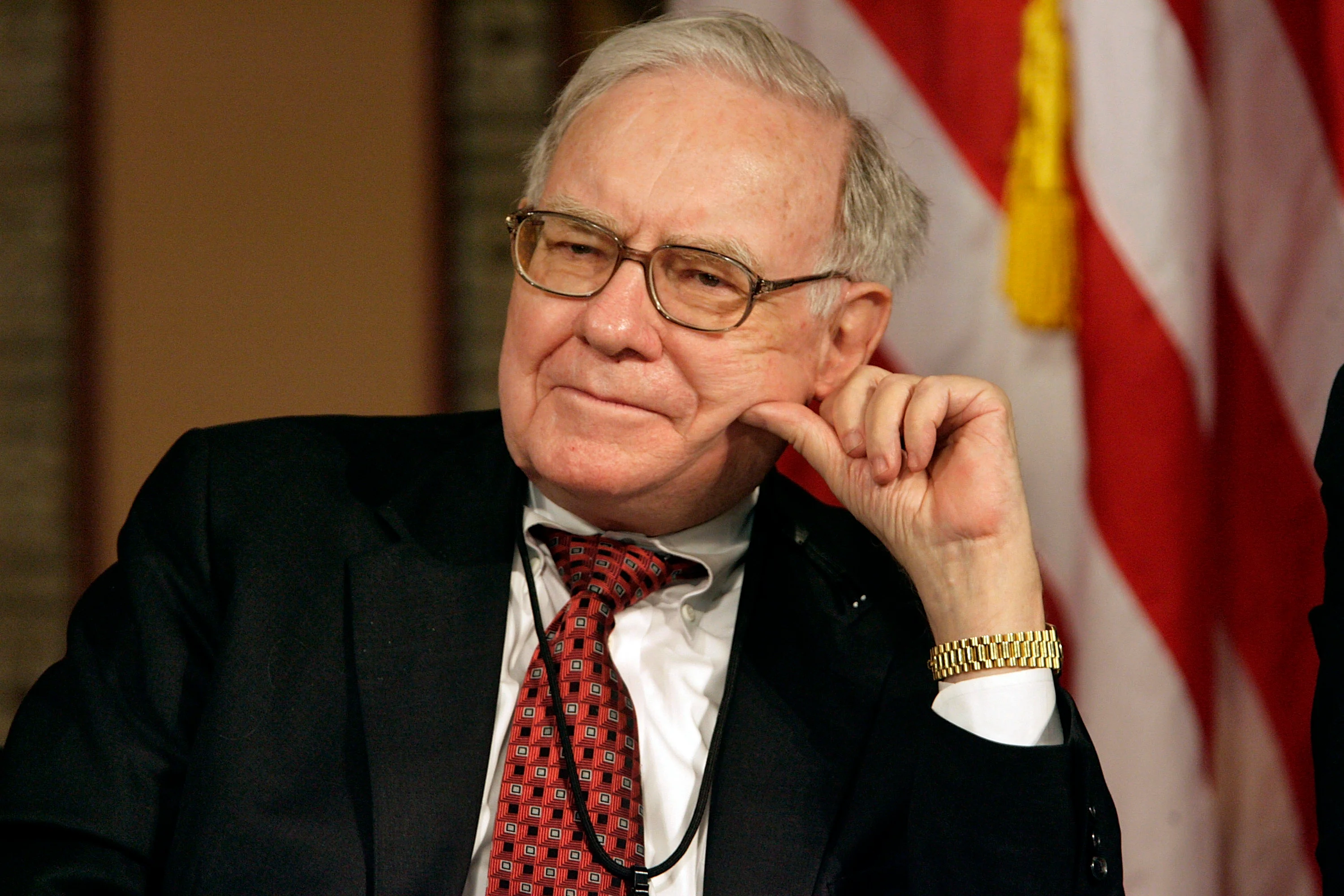
Source image: inc.com
inc.comThe Ultimate ROI: Investing in Human Transmission
In the upper echelons of global business and finance, extraordinary intelligence is practically table stakes. Executives spend decades optimizing balance sheets, studying market trends, and sharpening their strategic foresight. Yet, according to Berkshire Hathaway CEO Warren Buffett, a staggering amount of executive potential is systematically wasted every single day. The missing link is not a lack of vision or technical mastery, but rather a fundamental inability to transmit ideas with clarity and impact.
Buffett famously noted that failing to cultivate communication skills is akin to winking at someone in total darkness—an action executed with intent, yet completely devoid of external consequence. For investors, entrepreneurs, and corporate leaders navigating complex economic environments, this insight reframes professional development. Intellectual horsepower matters little if it cannot be translated into shared organizational momentum.
Why Clarity Trumps Complexity in Modern Leadership
Corporate communication frequently suffers from an over-reliance on jargon, abstract metrics, and convoluted strategies. Leaders often mistake complexity for sophistication, wrapping simple operational goals in layers of corporate buzzwords. However, elite organizations thrive on absolute alignment, which is impossible to achieve when executive directives require a decoder ring.
- Eliminate Obfuscation: True leadership clarity strips away superfluous language to focus entirely on actionable outcomes.
- Bridge the Strategic Gap: Research consistently shows that a minority of managers can accurately list their company's core priorities, highlighting systemic failures in top-down communication.
- Drive Accountability: When expectations are articulated without ambiguity, teams can execute with precision and velocity.
Market Implications and the Human Advantage
As automation and artificial intelligence rapidly absorb routine administrative tasks, data synthesis, and technical drafting, the marketplace is undergoing a profound structural shift. While machines can generate comprehensive market reports and optimize spreadsheets in milliseconds, they cannot build trust, resolve nuanced boardroom conflicts, or inspire a workforce through structural pivots.
Consequently, authentic human communication has transitioned from a soft skill to a hard economic asset. Executives who excel at storytelling, active listening, and empathetic engagement command higher market valuations for their leadership style. They cultivate resilient corporate cultures capable of weathering macro volatility, supply chain disruptions, and shifting regulatory landscapes.
What Investors and Executives Should Watch
For institutional investors and board members evaluating executive talent, communication competence should be treated as a primary key performance indicator. When assessing leadership teams during earnings calls, investor days, and strategic updates, stakeholders must look beyond financial models to evaluate narrative coherence.
Ultimately, Warren Buffett's enduring philosophy serves as a timeless reminder for the global business community. Capital allocation is crucial, but the capital invested in oneself—specifically in the art of making the complex simple and the obscure transparent—remains the ultimate compounding asset.
Continue reading
Related coverage in Business
nytimes.com
David Ellison Targets CNN Leadership Continuity in Paramount Merger Talks
David Ellison is currently negotiating to retain CNN CEO Mark Thompson without oversight from CBS editor in chief Bari Weiss as parent companies navigate merger plans.
2 min read
bbc.com
Decoding Nike’s Slump: How Strategic Missteps Cost the Sportswear Titan Its Edge
Explore the factors behind Nike's dramatic market decline. Industry analysts dissect the self-inflicted strategic errors that shook the sportswear giant.
3 min read
bbc.com
Treasury Committee Directs HMRC to Investigate Tax Implications of Manchester City Case
The UK Treasury Committee has called on HMRC to closely examine potential tax ramifications arising from the high-profile Manchester City legal verdict.
3 min read
nytimes.com
US Imposes Sanctions on Russian Firm A7 Over Global Shell Company Evasion Schemes
The United States targets Russian financial firm A7 with new sanctions following reports of utilizing global shell companies to bypass existing economic restrictions.
3 min read