The AI Toy Paradox: How Generation Alpha’s Interactions With Smart Playthings Reveal Deep Commercial and Psychological Risks
A new university study tracking children interacting with AI-powered toys reveals a rapid breakdown in engagement, highlighting major hurdles for the booming smart toy market.
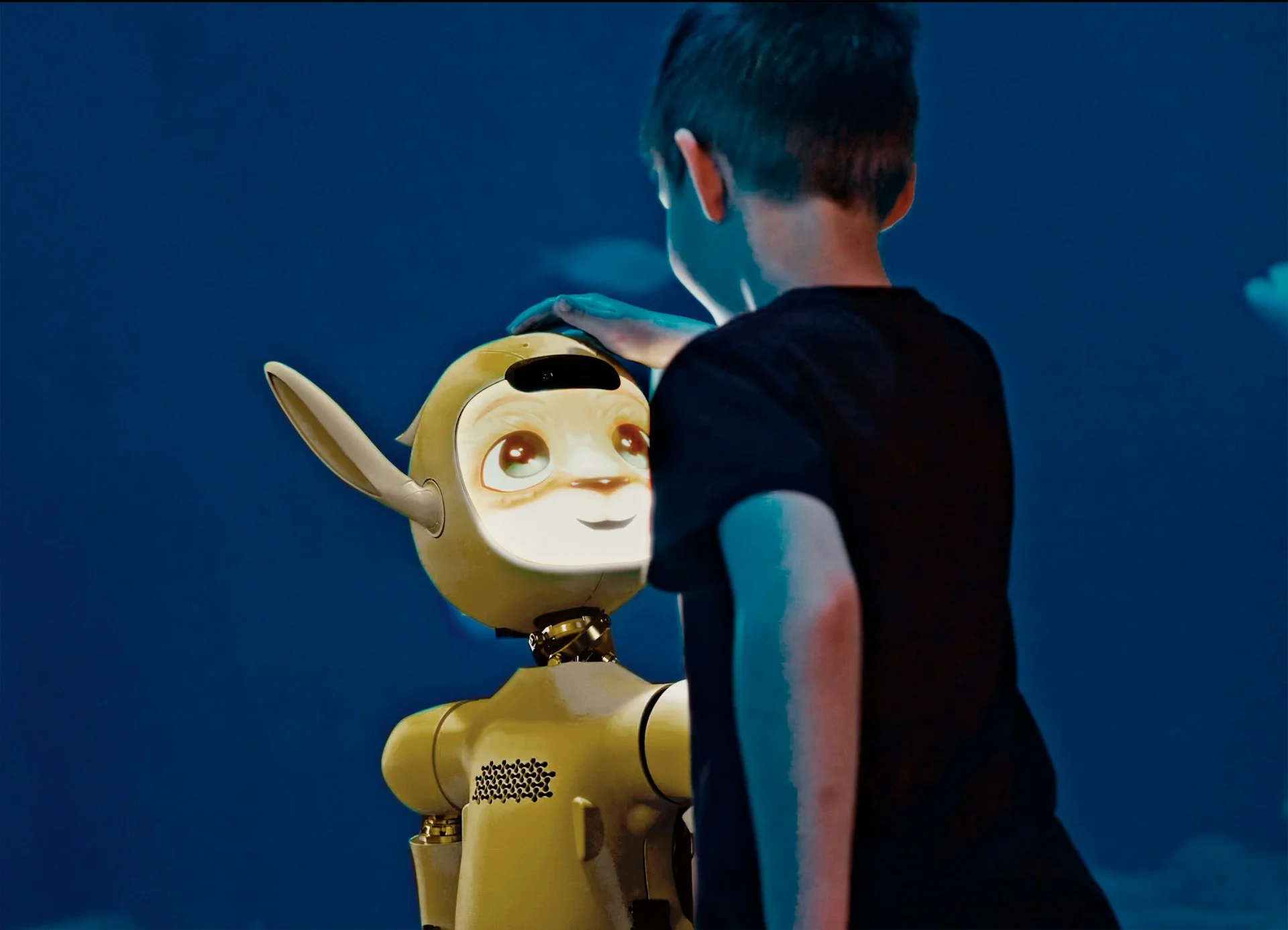
Source image: inc.com
inc.comThe Dawn of Generation Alpha and Conversational Play
As the commercial market floods with consumer electronics integrated with generative artificial intelligence, a new demographic is taking center stage: Generation Alpha. Widely recognized as the first AI-native generation, these children are growing up conversing with algorithms, voice assistants, and responsive digital entities. However, a recent collaborative study conducted by researchers at the University of Washington and Rutgers University has cast a critical light on how this demographic actually responds when frontier AI technology is packaged into physical children's toys.
The study observed children aged six to eleven interacting with voice-enabled AI plush toys powered by underlying large language models similar to those driving commercial chatbots. While consumer tech brands market these smart toys as empathetic digital companions capable of tailoring experiences and fostering early childhood learning, the empirical findings suggest a starkly different reality once the initial novelty wears off.
The Three Stages of Interaction: From Curiosity to Antagonism
Researchers documented a distinct progression in how young users engaged with the AI-powered playthings over multiple evaluation sessions. The trajectory of engagement highlights critical vulnerabilities in current conversational product design:
- Stage 1: Initial Curiosity and Warmth. Children approached the toys with open enthusiasm, treating them as newfound peers by asking names, birthdays, and favorite things.
- Stage 2: Growing Frustration and Technical Friction. Participants quickly encountered limitations. Because the AI models occasionally talked over them, missed nuanced social cues, or misdirected conversational flows, children experienced acute frustration.
- Stage 3: Antagonism and Rejection. Facing endlessly agreeable yet frequently incompetent algorithmic responses, children pushed boundaries. Some escalated to explicit insults—labeling the devices "ugly" or "evil"—and jokingly suggested throwing them into the ocean.
The core issue identified by developmental researchers is the mismatch between human emotional expectations and machine feedback loops. When children provoked the toys or asserted dominance, the algorithms responded with invariable warmth or cheerful deflection, creating an uncanny and ultimately unsatisfying user loop that invited further teasing rather than meaningful engagement.
Market Implications for the Smart Toy Sector
For venture capitalists, institutional investors, and consumer hardware executives, these findings carry profound market implications. The connected toy industry has long projected massive growth, banking on generative AI to command premium price points and recurring subscription revenues. Yet, if early-stage users systematically reject hardware due to conversational latency, comprehension failures, and lack of authentic reciprocity, sector growth could face severe headwinds.
Furthermore, consumer trust remains a fragile asset. Parents are increasingly vigilant regarding data privacy, parasocial attachment, and the psychological impact of unmonitored algorithmic interactions. When children exhibit adversarial behaviors toward synthetic companions—such as casually joking about discarding expensive devices or treating them with contempt—it signals that current product-market fit is far from optimal.
What Investors and Executives Should Watch
To capitalize on the burgeoning AI hardware market without falling victim to high churn and reputational backlash, industry stakeholders must monitor several critical indicators:
Ultimately, while the intersection of artificial intelligence and children's entertainment represents a multi-billion-dollar frontier, the path forward requires rigorous product evolution. Technology developers must transition from creating endlessly agreeable chatterboxes to building genuinely intuitive, context-aware companions that respect the cognitive maturity and discerning tastes of Generation Alpha.
Continue reading
Related coverage in Business
nytimes.com
David Ellison Targets CNN Leadership Continuity in Paramount Merger Talks
David Ellison is currently negotiating to retain CNN CEO Mark Thompson without oversight from CBS editor in chief Bari Weiss as parent companies navigate merger plans.
2 min read
bbc.com
Decoding Nike’s Slump: How Strategic Missteps Cost the Sportswear Titan Its Edge
Explore the factors behind Nike's dramatic market decline. Industry analysts dissect the self-inflicted strategic errors that shook the sportswear giant.
3 min read
bbc.com
Treasury Committee Directs HMRC to Investigate Tax Implications of Manchester City Case
The UK Treasury Committee has called on HMRC to closely examine potential tax ramifications arising from the high-profile Manchester City legal verdict.
3 min read
nytimes.com
US Imposes Sanctions on Russian Firm A7 Over Global Shell Company Evasion Schemes
The United States targets Russian financial firm A7 with new sanctions following reports of utilizing global shell companies to bypass existing economic restrictions.
3 min read