The $80,000 Side Dish: Former Fast-Food Employee Serves Prison Time for Mac-and-Cheese Fraud Scheme
A former Chick-fil-A worker serving a prison sentence for executing an $80,000 refund scheme utilizing catering mac-and-cheese trays expresses a surprising desire to return to his job.
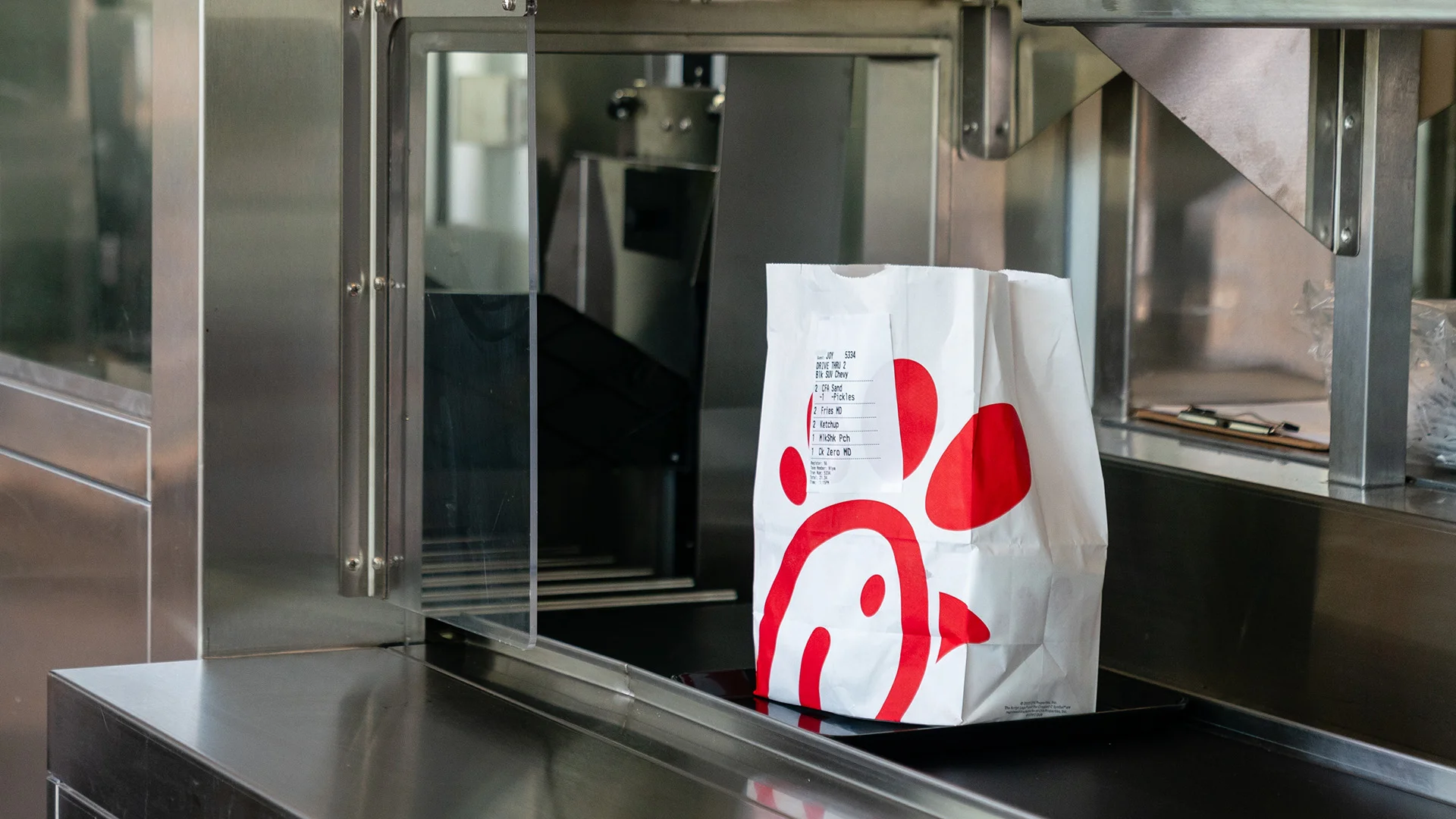
Source image: inc.com
inc.comInside the $80,000 Point-of-Sale Fraud Scheme
In the high-volume environment of the quick-service restaurant industry, internal security and point-of-sale (POS) oversight remain critical operational vulnerabilities. A striking example of this vulnerability recently surfaced following the legal fallout of Keyshun Jones, a former employee at a Chick-fil-A franchise in Grapevine, Texas. Jones orchestrated a sophisticated yet opportunistic financial fraud scheme that netted over $80,000 by exploiting the restaurant's refund architecture through a surprisingly specific vehicle: catering-sized trays of macaroni and cheese.
According to law enforcement and court documents, Jones utilized an unattended cash register while visiting the restaurant after his termination. Over a series of unauthorized transactions, he processed approximately 800 fake orders for the popular menu item, immediately routing the corresponding refunds back to his personal credit cards. Because the catering trays command a premium price point of around $100 each, the fraudulent total escalated rapidly without immediately raising algorithmic red flags in daily ledger balances.
The Motive, Capture, and Legal Consequences
Following an internal audit that revealed severe cash discrepancies, the franchise owner reported the missing funds, prompting an intensive investigation by local detectives utilizing surveillance footage. Authorities identified Jones—who had been dismissed from his position roughly a month prior—as the primary suspect. After evading local law enforcement and federal fugitive task forces for months, Jones was ultimately apprehended and faced multiple felony counts, including property theft and money laundering.
Plea negotiations ultimately spared Jones a potentially harsher 10-year prison sentence, resulting in a three-year sentence with credit for time served. In subsequent interviews from correctional custody, Jones insisted the scam was not meticulously premeditated, attributing his actions to impulsive anger following the loss of his job. In a twist that raised eyebrows across corporate and financial circles, Jones voiced an enduring loyalty to the brand, stating that he hopes to earn a second chance and return to his former role post-parole.
Broader Market Implications for Franchise Operators
While the narrative carries elements of corporate absurdity, the underlying financial crime highlights severe risk vectors that corporate executives and franchise operators must actively mitigate:
- POS Terminal Access Control: Leaving cash registers unlocked or accessible to former employees—even briefly—represents a critical failure in physical security.
- Refund Monitoring Protocols: Automated anomaly detection systems must flag high-volume, low-item refund patterns immediately rather than waiting for multi-thousand-dollar ledger discrepancies during periodic audits.
- Employee Offboarding Protocols: Immediate deactivation of credentials and physical access rights is paramount the moment an employment contract is terminated.
What Investors and Executives Should Watch
For investors monitoring the operational integrity of major quick-service restaurant (QSR) chains, internal shrink and employee-driven fraud represent a persistent drag on franchise margins. As retail and restaurant technology evolves, stakeholders should look for enterprises investing heavily in advanced, AI-driven POS analytics. These modern oversight systems are designed to instantly flag irregular refund behaviors, employee badge anomalies, and unauthorized drawer activations before losses scale into five-figure liabilities.
Continue reading
Related coverage in Business
nytimes.com
David Ellison Targets CNN Leadership Continuity in Paramount Merger Talks
David Ellison is currently negotiating to retain CNN CEO Mark Thompson without oversight from CBS editor in chief Bari Weiss as parent companies navigate merger plans.
2 min read
bbc.com
Decoding Nike’s Slump: How Strategic Missteps Cost the Sportswear Titan Its Edge
Explore the factors behind Nike's dramatic market decline. Industry analysts dissect the self-inflicted strategic errors that shook the sportswear giant.
3 min read
bbc.com
Treasury Committee Directs HMRC to Investigate Tax Implications of Manchester City Case
The UK Treasury Committee has called on HMRC to closely examine potential tax ramifications arising from the high-profile Manchester City legal verdict.
3 min read
nytimes.com
US Imposes Sanctions on Russian Firm A7 Over Global Shell Company Evasion Schemes
The United States targets Russian financial firm A7 with new sanctions following reports of utilizing global shell companies to bypass existing economic restrictions.
3 min read