The $500-a-Month Corporate Perk Replacing Traditional Commuter Subsidies
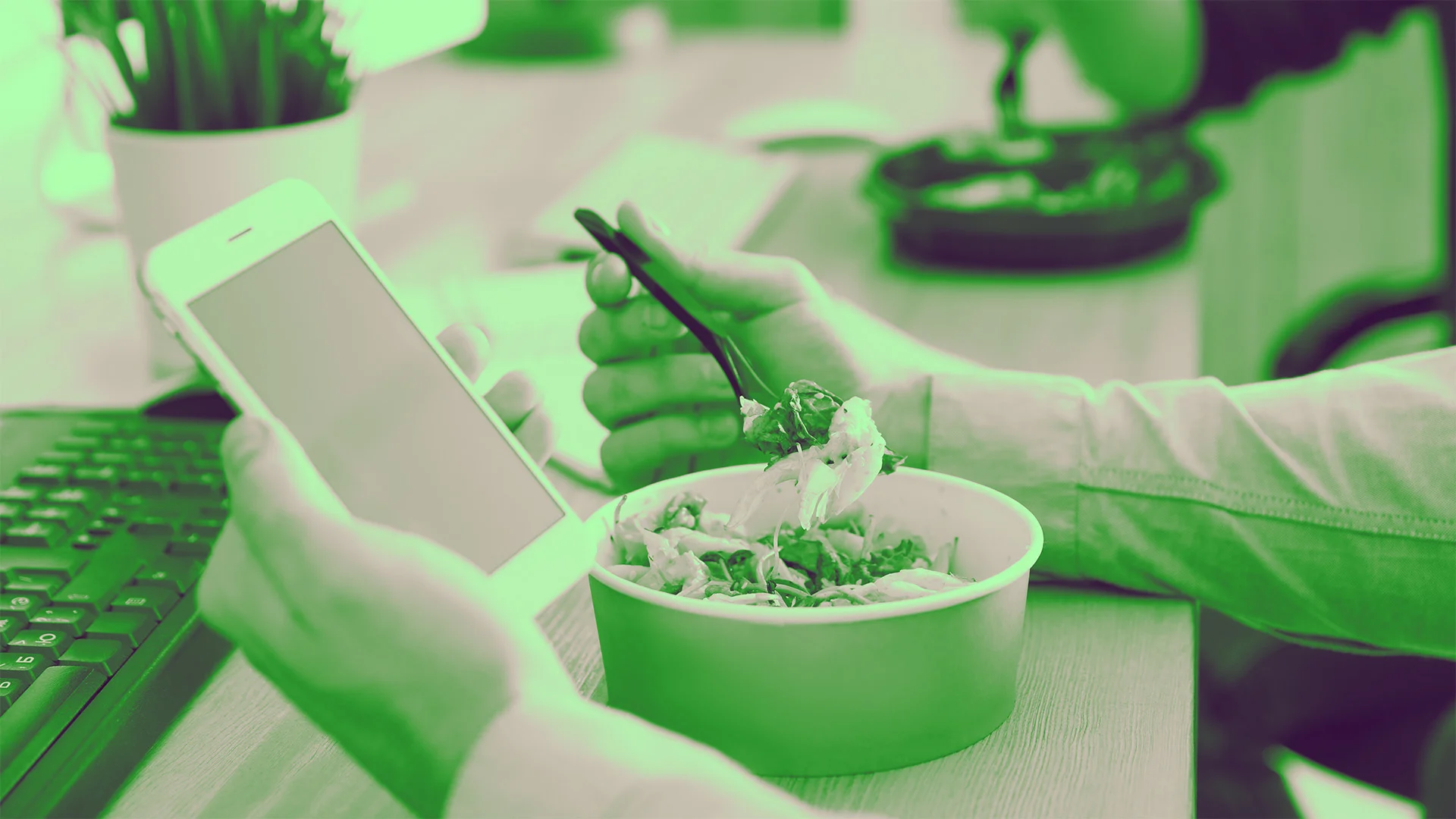
As hybrid work models mature, forward-thinking organizations are dropping transit passes in favor of daily gourmet meal stipends averaging $21 per worker.
Source image: inc.com
inc.comThe Evolution of Workplace Incentives
For decades, standard corporate benefits centered heavily around physical transit support. Companies offered parking stipends, monthly rail passes, and flexible spending accounts designed to ease the daily grind of commuting. However, the widespread adoption of hybrid work models has dramatically transformed employee priorities. Today's professionals are less concerned with subsidized train tickets and increasingly focused on tangible, daily quality-of-life enhancements that make coming into the corporate office worthwhile.
Leading enterprises are responding to this shift by reallocating their human resources budgets toward high-end culinary perks. Rather than enforcing strict mandates to drive return-to-office metrics, innovative organizations are leveraging the universal appeal of food. By covering roughly $21 per day—amounting to approximately $500 a month per worker—companies are effectively subsidizing daily lunches and snacks, turning the physical office into a vibrant destination rather than a mandatory obligation.
Why Executives Are Pivoting to Daily Meal Subsidies
From a financial and operational standpoint, offering robust food perks provides a unique strategic advantage. Business leaders note that daily catering or meal card allocations serve as a high-visibility benefit that employees interact with every single day, unlike annual bonuses or long-term equity packages whose psychological impact can fade over time. Industry experts point out that routine meal stipends remain significantly cheaper for corporate balance sheets than issuing major cash bonuses or expanded stock options, yet they deliver an immediate, high-impact boost to employee morale.
- Enhanced Daily Engagement: Free or subsidized meals provide a natural gathering point for hybrid teams, encouraging cross-departmental collaboration on office days.
- Cost-Effective Retention: Daily food perks cost a fraction of comprehensive compensation restructurings while maintaining high perceived value among staff.
- Frictionless Return-to-Office: Subsidizing meals softens the blow of commuting costs, naturally driving voluntary office attendance without heavy-handed mandates.
Market Implications and Financial Strategy
The rise of the $21-a-day food perk reflects a broader transformation in how corporate leadership views workplace culture and capital allocation. As labor markets remain competitive across key sectors, marginal perks can make the difference between securing top-tier talent and watching candidates accept rival offers. Furthermore, the corporate catering and food-tech sectors are experiencing a renaissance, as startups and legacy vendors alike build sophisticated platforms to manage decentralized meal stipends for hybrid workforces.
For institutional investors and market analysts, this trend highlights a shifting mindset in corporate overhead expenditures. Companies are increasingly willing to invest directly in workspace experience rather than passive allowances. This trend also supports commercial real estate stabilization, as active office spaces with strong on-site amenities tend to maintain higher occupancy rates and stronger cultural cohesion.
What Investors and Executives Should Watch
As this workplace trend scales, decision-makers must monitor several critical factors moving forward:
- Vendor Ecosystem Growth: Track the financial performance and expansion of corporate food-tech platforms and digital meal card providers handling enterprise accounts.
- Tax and Regulatory Changes: Keep an eye on potential adjustments to corporate tax deductions regarding employee meal programs and fringe benefits.
- Productivity Metrics: Assess whether daily meal subsidies measurably correlate with improved long-term retention rates and tangible increases in cross-functional output.
Ultimately, the pivot from transit subsidies to daily dining stipends underscores a broader corporate realization: keeping hybrid employees engaged requires meeting them where their daily friction points lie. By transforming the office lunch break into a valued corporate investment, forward-thinking businesses are redefining the economics of workplace culture.
Continue reading
Related coverage in Rankings
bbc.com
Thames Water Issues Apology Following Major £145,000 Billing Error
Thames Water has issued a formal apology to a family after a severe customer billing mistake totaling £145,000, highlighting ongoing operational challenges.
3 min read
bbc.com
UK Engages EU Allies Over Emergency Diesel Stock Release Amid US Export Ban Threats
The UK is in talks with European partners to potentially release strategic fuel reserves as US President Donald Trump threatens a diesel export ban to curb domestic prices.
3 min read
bbc.com
Travelodge Under Fire After Review Reveals Systemic Safety Failures and Room Intrusions
A damning independent review reveals Travelodge failed a sexual assault victim at every turn, with unauthorized room intrusions still plaguing one in ten hotels.
3 min read
bbc.com
Trump's AI Rebrand Sparks Unprecedented Demand for Slovenian Domain Names
Donald Trump's proposed rebrand of artificial intelligence to super intelligence, or SI, has triggered a massive surge in demand for Slovenian website domains.
2 min read