The $150 Billion Tech Paradox: Why Manufacturers Are Struggling With Scale
Despite pouring billions into artificial intelligence and digital infrastructure, global manufacturers are hitting a critical bottleneck that stalls large-scale integration.
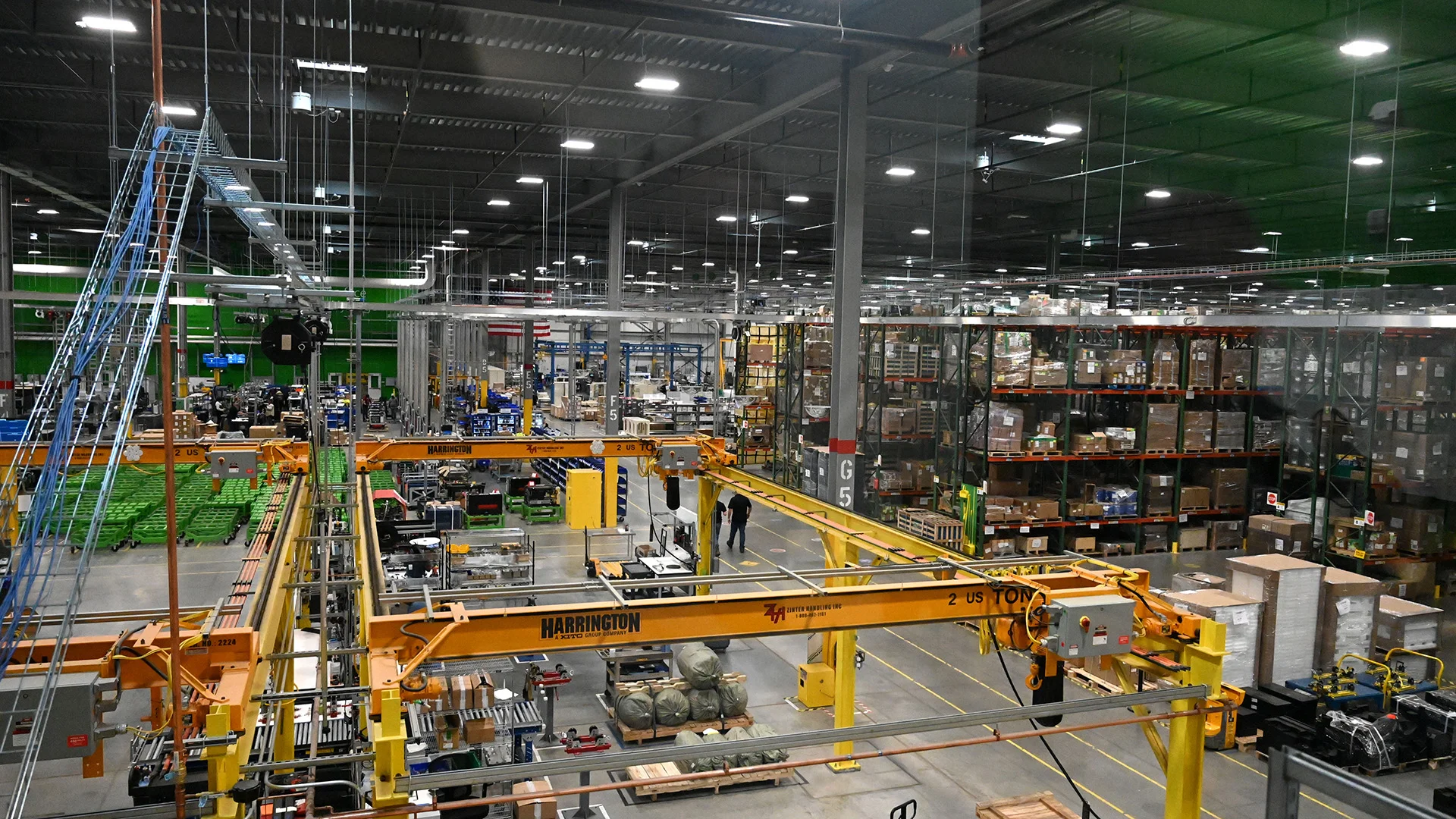
Source image: inc.com
inc.comThe Capital Surge Meets the Integration Wall
The global manufacturing sector is undergoing one of the most aggressive capital expenditure cycles in its modern history. Driven by the promise of artificial intelligence, cloud computing, and advanced automation, industry leaders are channeling billions into modernization. Major corporations—ranging from heavy machinery producers to consumer goods giants—are heavily banking on tech integration to protect profit margins and overcome persistent labor constraints.
However, a stark dichotomy has emerged between financial commitment and operational reality. While the headline figures indicate robust confidence in digital tools, granular research exposes a fragile foundation. The primary hurdle is no longer about acquiring software licenses or hardware components; it is about the systemic capacity of legacy manufacturing networks to support continuous, enterprise-grade data flows.
Dissecting the Infrastructure Deficit
According to recent enterprise studies, a striking majority of U.S. manufacturers harbor deep skepticism regarding their internal infrastructure's readiness for next-generation digital tools. Key findings illustrate the depth of the issue:
- Isolated Deployments: Over 85 percent of manufacturing firms admit that artificial intelligence is currently restricted to localized business pockets rather than operating as an enterprise-wide framework.
- Limited Transformation: Only a small fraction of industry operators classify their digital integration as extensive, with virtually none reporting a fundamental, holistic operational transformation.
- Network Bottlenecks: Outdated legacy telecommunications and internal data architecture frequently buckle under the heavy bandwidth and real-time processing demands of modern AI models.
These statistics paint a vivid picture of an industry attempting to build advanced digital superstructure on top of crumbling industrial plumbing. Without harmonizing foundational networks, executive spending risks producing expensive, siloed experiments rather than enduring competitive advantages.
Market Implications for Investors and Executives
For institutional investors, corporate strategists, and market analysts, this disconnect carries profound portfolio implications. The traditional valuation metric of simply tracking a company's research and development or IT budget is no longer sufficient. Stakeholders must now evaluate management's execution capabilities, specifically regarding organizational change management and infrastructural overhauls.
Companies that successfully bridge the gap between capital injection and foundational architecture stand to capture significant market share, driving efficiency, reducing waste, and expanding operating margins. Conversely, firms that continuously throw capital at surface-level software solutions without addressing structural network flaws face severe margin compression and diminished returns on invested capital.
Strategic Indicators to Watch
As the manufacturing sector continues its aggressive digital push through the decade, market participants should closely monitor several leading indicators to separate true innovators from laggards:
- Cross-Departmental Integration Metrics: Look beyond pilot programs to gauge whether AI and automation tools are embedded across supply chain, production, and distribution channels.
- Network Modernization Outlays: Track corporate disclosures for dedicated investments in foundational IT infrastructure, cybersecurity, and cloud migration rather than just end-user software applications.
- Executive Talent Shifts: Pay attention to the appointment of chief digital and technology officers who possess specific expertise in legacy systems integration.
Ultimately, the $150 billion question facing the manufacturing sector is not how much capital can be deployed, but how effectively organizations can modernize their internal architectures to support it. Navigating this hurdle will define the winners and losers of the next industrial era.
Continue reading
Related coverage in Business
nytimes.com
David Ellison Targets CNN Leadership Continuity in Paramount Merger Talks
David Ellison is currently negotiating to retain CNN CEO Mark Thompson without oversight from CBS editor in chief Bari Weiss as parent companies navigate merger plans.
2 min read
bbc.com
Decoding Nike’s Slump: How Strategic Missteps Cost the Sportswear Titan Its Edge
Explore the factors behind Nike's dramatic market decline. Industry analysts dissect the self-inflicted strategic errors that shook the sportswear giant.
3 min read
bbc.com
Treasury Committee Directs HMRC to Investigate Tax Implications of Manchester City Case
The UK Treasury Committee has called on HMRC to closely examine potential tax ramifications arising from the high-profile Manchester City legal verdict.
3 min read
nytimes.com
US Imposes Sanctions on Russian Firm A7 Over Global Shell Company Evasion Schemes
The United States targets Russian financial firm A7 with new sanctions following reports of utilizing global shell companies to bypass existing economic restrictions.
3 min read