The $1.4 Billion Feline Strategy: How a Scrappy Cat Litter Startup Outsmarted Silicon Valley
Discover how Daniel Rotman built PrettyLitter with minimal venture capital, turning an unsexy pet care category into a massive $1.4 billion acquisition by Mars.
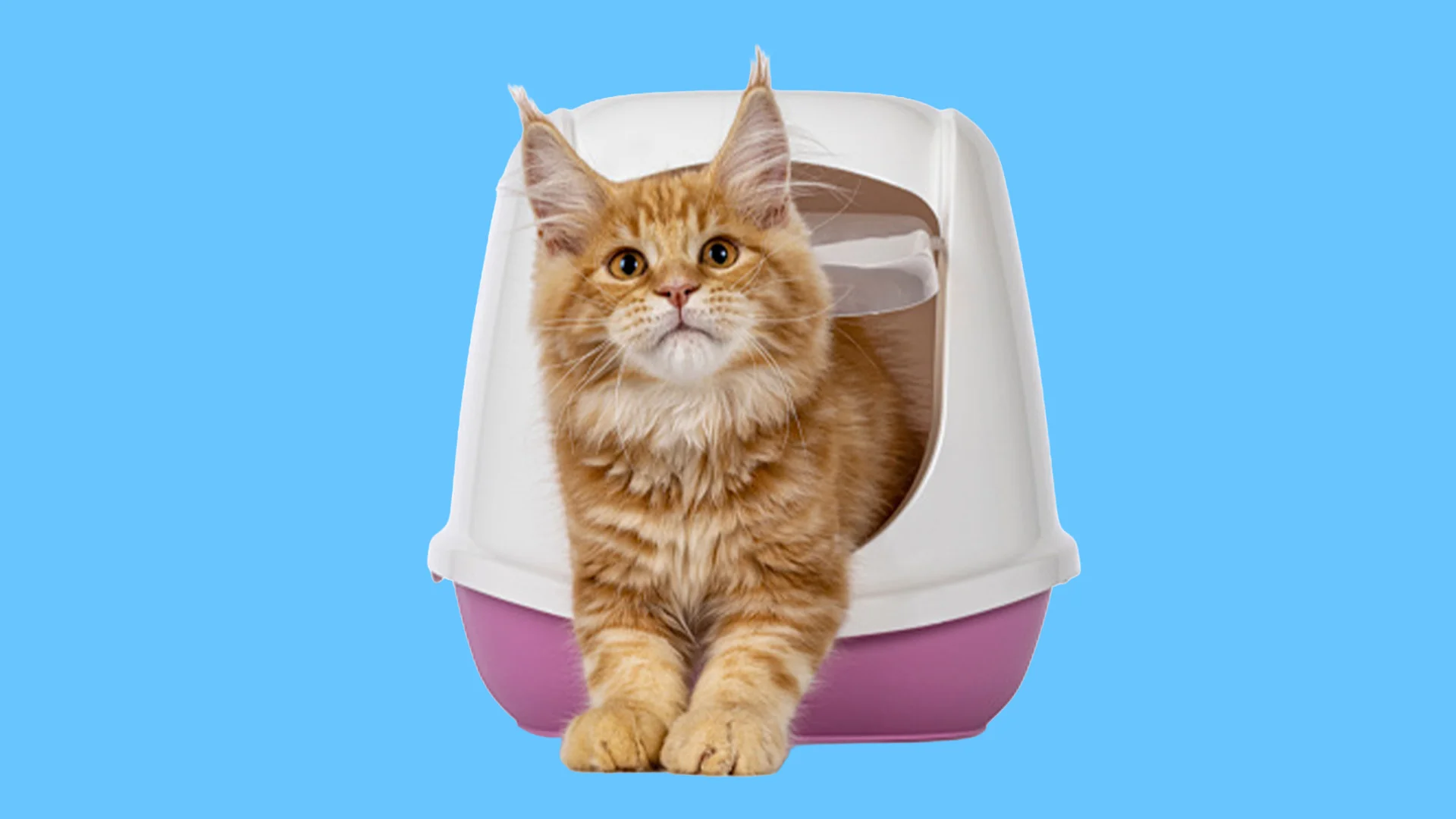
Source image: inc.com
inc.comThe Anatomy of an Unlikely Billion-Dollar Empire
During the height of the 2010s direct-to-consumer (DTC) boom, venture capitalists poured billions of dollars into crowded, highly glamorous categories like men's grooming, apparel, and premium mattresses. Founders routinely raised tens of millions of dollars out of the gate, prioritizing rapid customer acquisition over unit economics. Yet, while the tech and venture capital worlds fixated on software-as-a-service and trendy consumer goods, first-time founder Daniel Rotman quietly identified a massive, unglamorous market gap: cat litter.
Rotman launched PrettyLitter in 2015 with a remarkably modest $1 million in seed funding. Inspired by the passing of his childhood cat, Gingi, who suffered from an undetected illness, Rotman engineered a lightweight, silica-crystal cat litter that changes color depending on the acidity, alkalinity, or presence of blood in a cat's urine. This built-in health diagnostic tool addressed a profound consumer pain point: cats are notoriously stoic creatures that instinctively hide signs of illness until conditions become critical.
Capital Efficiency Defies the Silicon Valley Playbook
What makes PrettyLitter’s trajectory extraordinary to financial analysts and private equity investors is its extreme capital efficiency. While typical DTC startups burned through cash hiring massive operational teams and subsidizing unsustainable customer acquisition costs, Rotman kept his organization remarkably lean. Even as annual sales surged past the nine-figure mark, the company operated with a tight core team of just a dozen full-time employees.
By outsourcing core logistical bottlenecks like warehousing and fulfillment, PrettyLitter achieved exceptional revenue-per-employee metrics. Rotman routinely resisted overtures from venture capital firms eager to shovel cash into the business, preferring to scale organically off incoming profits. This disciplined financial posture ensured that when multinational consumer giant Mars came knocking, equity dilution was minimal, leaving early-stage backers and the founder with a massive windfall when the company was acquired at a $1.4 billion valuation.
Market Implications: Why the Feline Economy is Booming
The pet care industry has historically skewed its marketing and product innovation toward dogs, leaving cats as a secondary consideration for major conglomerates. However, demographic shifts and ownership statistics tell a different story. In the United States, cats outnumber dogs, and a substantial percentage of households maintain multiple feline companions.
- Under-Monetized Niches: Major brands frequently overlook unsexy household staples, leaving ripe opportunities for agile disruptors.
- Health-Centric Pets: Modern pet owners increasingly treat animals as family members, fueling robust demand for preventative health diagnostics.
- Logistical Innovation: Overcoming heavy shipping weights through lightweight silica crystals unlocked the direct-to-consumer subscription model for heavy pet products.
Mars’ multi-billion-dollar acquisition of PrettyLitter underscores a broader macroeconomic trend: legacy consumer packaged goods (CPG) giants are increasingly utilizing their balance sheets to acquire agile, digitally native brands rather than attempting to incubate disruptive products organically.
What Investors and Executives Should Watch
As the private equity and venture capital landscapes recalibrate toward profitability over growth-at-all-costs, the PrettyLitter playbook serves as an essential masterclass. Investors are actively scanning for businesses that operate in mundane, recession-resistant sectors with high customer retention and clear product differentiation.
For executives and founders, the takeaway is clear: dominating a neglected niche with superior unit economics and a product that solves a genuine emotional or physical pain point will consistently outshine superficial market noise. As strategists look toward the future of the pet wellness economy, the next wave of billion-dollar exits will likely emerge not from hyper-funded tech copycats, but from disciplined operators willing to look where nobody else is watching.
Continue reading
Related coverage in Rankings
bbc.com
Thames Water Issues Apology Following Major £145,000 Billing Error
Thames Water has issued a formal apology to a family after a severe customer billing mistake totaling £145,000, highlighting ongoing operational challenges.
3 min read
bbc.com
UK Engages EU Allies Over Emergency Diesel Stock Release Amid US Export Ban Threats
The UK is in talks with European partners to potentially release strategic fuel reserves as US President Donald Trump threatens a diesel export ban to curb domestic prices.
3 min read
bbc.com
Travelodge Under Fire After Review Reveals Systemic Safety Failures and Room Intrusions
A damning independent review reveals Travelodge failed a sexual assault victim at every turn, with unauthorized room intrusions still plaguing one in ten hotels.
3 min read
bbc.com
Trump's AI Rebrand Sparks Unprecedented Demand for Slovenian Domain Names
Donald Trump's proposed rebrand of artificial intelligence to super intelligence, or SI, has triggered a massive surge in demand for Slovenian website domains.
2 min read