Super El Niño Set to Trigger Severe Aviation Disruptions Across the Southern U.S. This Fall and Winter
A historic super El Niño weather pattern is gathering momentum, threatening major commercial flight disruptions, heavy flooding, and severe turbulence across key Sun Belt travel hubs.
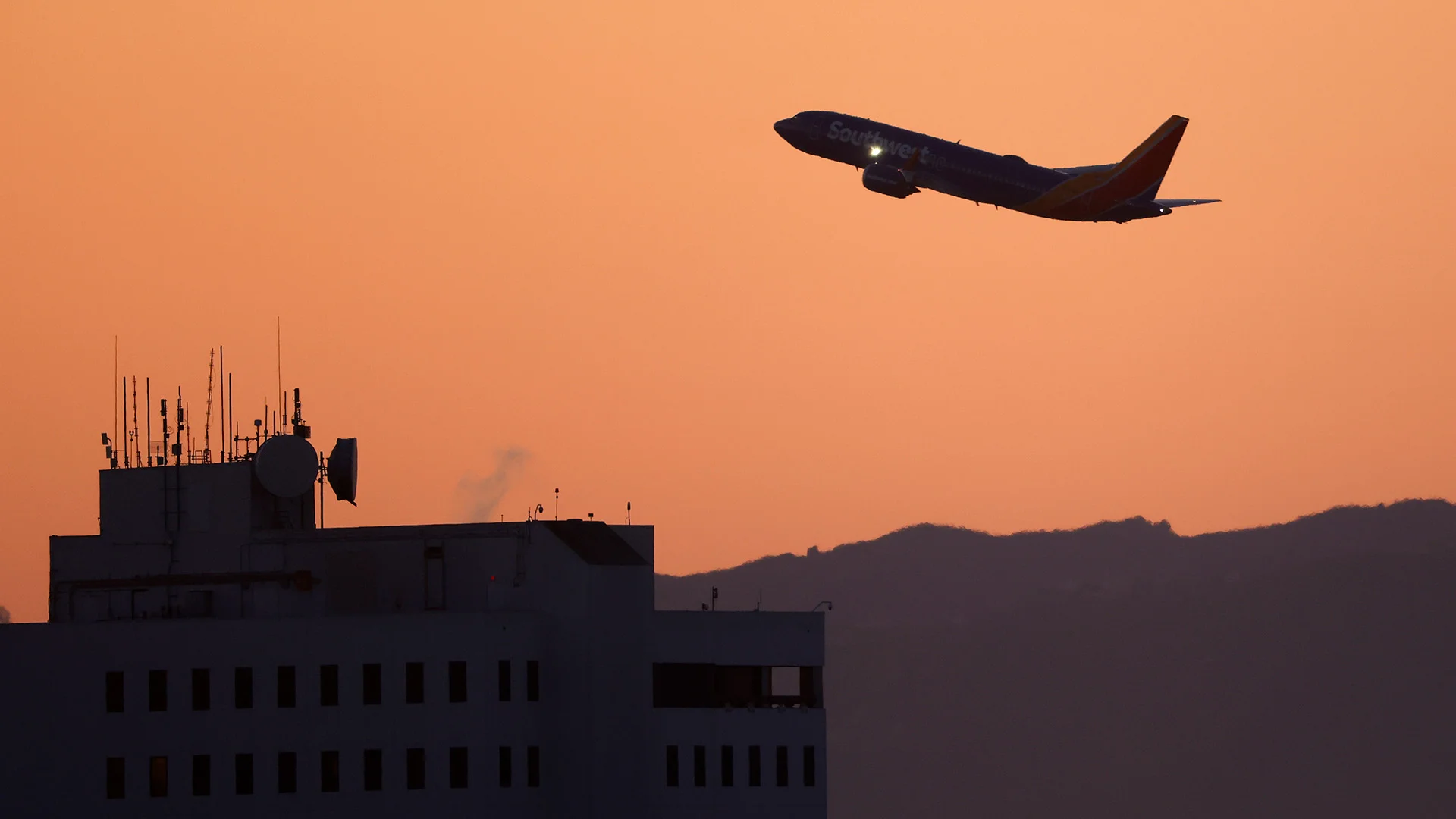
Source image: inc.com
inc.comThe Rise of a Historic Climate Phenomenon
A rapidly strengthening super El Niño is establishing its dominance across the Pacific Ocean, sending ripples through global meteorological systems that are expected to heavily impact the United States throughout the upcoming fall and winter seasons. Characterized by significantly warmer-than-average sea surface temperatures in the central and eastern equatorial Pacific, this climate cycle is tracking toward historic intensity. Meteorologists and climate institutions note that the compounding intensity of the current cycle will profoundly alter traditional jet stream pathways, steering turbulent weather systems directly toward the southern tier of the country [1.1.7].
For the commercial aviation sector and corporate travelers, this means a departure from predictable seasonal patterns. While northern states may experience milder, drier conditions, the Sun Belt and southern coastal corridors are bracing for an onslaught of volatile weather. Industry analysts point out that major aviation hubs in states like Texas and Florida will bear the brunt of these localized atmospheric disruptions.
Key Regions and Operational Risks Facing Travelers
The primary concern for airlines and passengers alike centers on the intersection of severe convective weather and shifting high-altitude winds. The geographical zones most vulnerable to these seasonal anomalies include:
- Texas: Anticipated increases in winter storm frequency and severe convective activity threaten major hubs like Dallas/Fort Worth International (DFW) and George Bush Intercontinental (IAH).
- Florida: Heavy precipitation, localized flooding, and potential severe storm outbreaks pose risks to heavy-traffic airports including Miami International (MIA) and Orlando International (MCO).
- California and Arizona: Subtropical jet stream shifts are projected to bring heavy downpours and low-visibility conditions, impacting regional transit networks.
- Georgia and North Carolina: Southern storm tracks could routinely bottleneck major connecting hubs such as Hartsfield-Jackson Atlanta International (ATL).
The Mechanics of Aviation Disruption: Turbulence and Jet Streams
Beyond surface-level flooding and airport ground delays, the super El Niño introduces significant airborne hazards. Scientific studies presented at meteorological conventions highlight a direct correlation between strong El Niño phases and a substantial surge in vertical wind shear. At cruising altitudes, this phenomenon can increase clear-air turbulence—a hazardous, invisible atmospheric condition detectable only via specialized onboard tools—by up to 50 percent in regional flight corridors.
Furthermore, the repositioning of the subtropical jet stream alters prevailing winds along critical domestic and international flight paths [1.1.7]. Altered wind speeds directly affect aircraft groundspeeds, leading to extended flight durations, increased fuel burn, and necessary adjustments to airline scheduling logistics [1.1.7]. Carriers operating heavily out of southern bases will need to carefully manage fuel hedging and fleet utilization to offset these inefficiencies.
Market Implications and Investor Guidance
For investors and aviation stakeholders, the coming months require a close evaluation of operational resilience. Airlines with modern fleets equipped with advanced weather-tracking technology and robust network flexibility are better positioned to absorb the financial shocks of weather-related delays. Key factors for market watchers to monitor include:
- Operational Margins: Track how prolonged tarmac delays, rerouting, and increased fuel consumption impact quarterly operating expenses for major U.S. carriers.
- Passenger Yields and Cancellations: Assess potential dips in regional passenger satisfaction and the financial burden of rebooking passengers during severe storm clusters.
- Regulatory and Airport Readiness: Monitor local airport infrastructure adaptations in flood-prone southern metros to mitigate prolonged gate closures.
Ultimately, while federal agencies such as the FAA do not dictate airline cancellations—leaving those determinations strictly to carrier management and safety protocols—the overarching market reality remains clear. Stakeholders across the board must price in the compounding logistical friction of a historic super El Niño as it alters the skies above America's busiest southern corridors.
Continue reading
Related coverage in Business
nytimes.com
David Ellison Targets CNN Leadership Continuity in Paramount Merger Talks
David Ellison is currently negotiating to retain CNN CEO Mark Thompson without oversight from CBS editor in chief Bari Weiss as parent companies navigate merger plans.
2 min read
bbc.com
Decoding Nike’s Slump: How Strategic Missteps Cost the Sportswear Titan Its Edge
Explore the factors behind Nike's dramatic market decline. Industry analysts dissect the self-inflicted strategic errors that shook the sportswear giant.
3 min read
bbc.com
Treasury Committee Directs HMRC to Investigate Tax Implications of Manchester City Case
The UK Treasury Committee has called on HMRC to closely examine potential tax ramifications arising from the high-profile Manchester City legal verdict.
3 min read
nytimes.com
US Imposes Sanctions on Russian Firm A7 Over Global Shell Company Evasion Schemes
The United States targets Russian financial firm A7 with new sanctions following reports of utilizing global shell companies to bypass existing economic restrictions.
3 min read