Sunnyvale Disrupts Urban Mobility with Government-Backed Electric Microtransit Service
Sunnyvale launches Beam, a municipal rideshare alternative featuring an all-electric fleet and $3.50 flat fares to challenge private giants like Uber and Lyft.
Source image: inc.com
inc.comA New Frontier in Municipal Transit
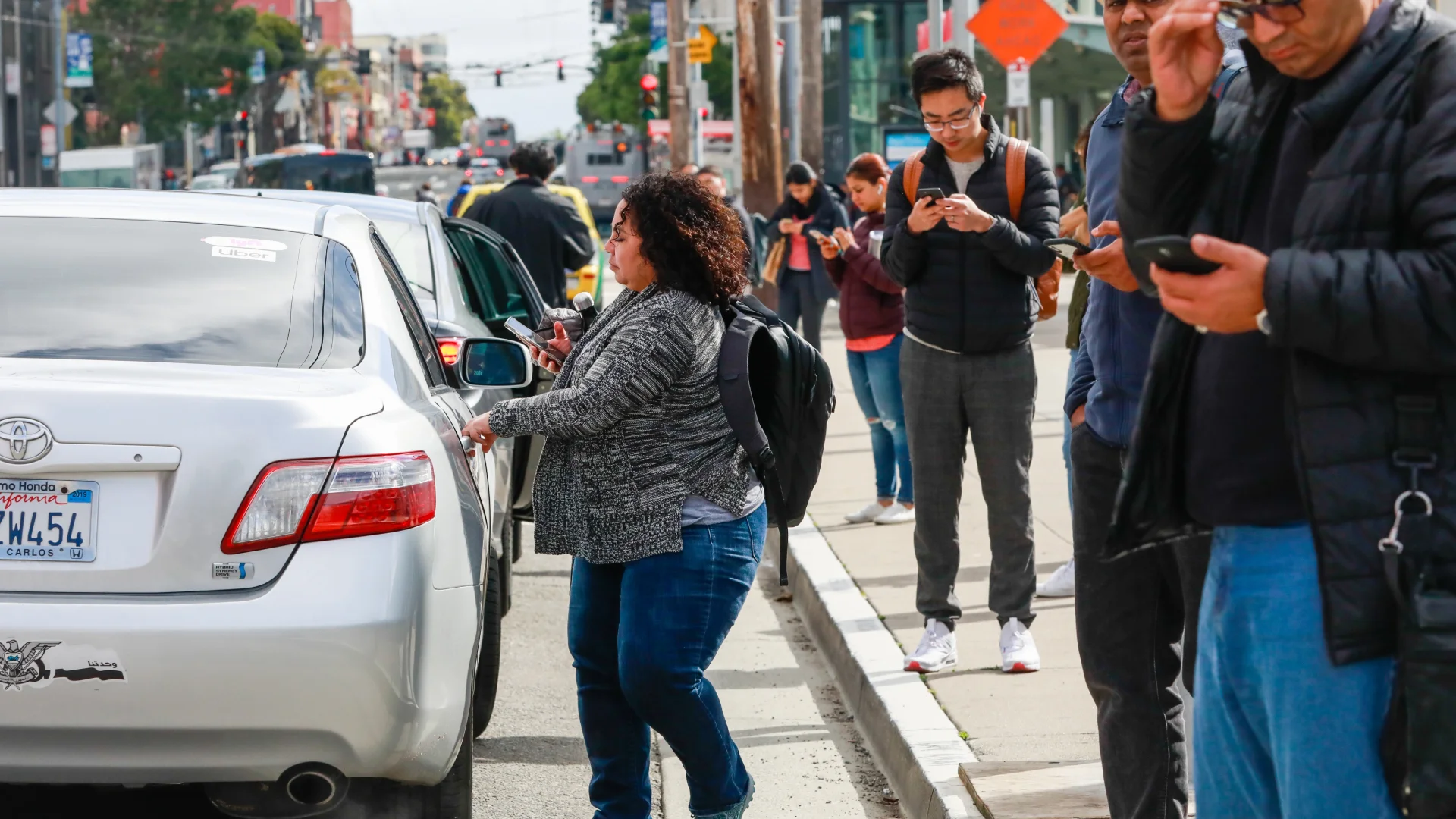
The landscape of urban mobility in Silicon Valley is experiencing a profound transformation as local governments step directly into the rideshare arena. Sunnyvale, California, has officially inaugurated Sunnyvale Beam, an on-demand microtransit solution engineered to compete with private behemoths such as Uber, Lyft, and autonomous vehicle operators. By offering citywide transportation for a standard flat rate of $3.50, municipal leaders are aiming to bridge the widening affordability gap in modern transit while supporting green infrastructure.
Operated in collaboration with transit technology provider Via Transportation, the service utilizes a dedicated, zero-emission fleet composed of six Kia Niro SUVs and three Ford E-Transit vans. The initiative is heavily supported by a $4.2 million state grant from the California Transit and Intercity Rail Capital Program, which covers half of the program's initial financial requirements. The municipality will fund the remaining balance across its five-year contractual rollout.
Economic Structure and Market Implications
The introduction of Sunnyvale Beam introduces a fascinating economic dynamic to a region traditionally dominated by venture-backed tech platforms. Unlike commercial rideshare drivers who operate on fluctuating commission structures and piece-rate incentives, Beam drivers are guaranteed an hourly wage ranging from $23 to $25. Furthermore, fares are kept artificially low through public subsidization: standard riders pay $3.50, while qualifying seniors aged 65 and older, youths aged 13 to 18, individuals with disabilities, and low-income residents enjoy a heavily discounted rate of $1.75.
For investors and urban economists, this model sparks critical conversations regarding market competition and government intervention:
- Direct Competition with Private Enterprise: Municipalities entering the transport space leverage taxpayer backing to offer price points that private corporations cannot match without incurring steep operational losses.
- Labor Model Shift: Transitioning drivers from gig-economy piece-rates to stable, hourly compensation sets a high benchmark that could increase labor pressure on private rideshare networks operating locally.
- Capital Efficiency: Utilizing targeted microtransit grants allows cities to address structural transit gaps more efficiently than building out fixed-rail or traditional bus routes.
Strategic Utility and Investor Outlook
While Sunnyvale Beam is not intended to fully replace vehicle ownership or long-distance commuting, it strategically targets the persistent 'first-and-last-mile' dilemma. The service connects residents to vital regional transport hubs—such as the Sunnyvale and Lawrence Caltrain stations—as well as essential community pillars, including medical centers and local high schools just beyond city boundaries.
For enterprise executives and investors monitoring the transportation sector, several key indicators warrant close observation over the coming quarters:
- Scalability and Sustainability: Evaluating whether state-grant-dependent microtransit models can achieve long-term fiscal self-sufficiency once initial public subsidies phase down.
- Ridership Adoption Metrics: Analyzing adoption rates among tech-savvy professionals versus transit-dependent demographics to determine true demand elasticity.
- Replication Across Municipalities: Observing if neighboring Silicon Valley cities adopt similar Via-backed frameworks, which could collectively compress the local market share of private rideshare companies for short urban trips.
As Sunnyvale Beam establishes its footprint, it serves as a prominent test case for municipal intervention in the gig economy. Whether this public-private friction sparks broader structural shifts in how metropolitan areas handle mass transit remains one of the most compelling storylines in urban economics today.
Continue reading
Related coverage in Business
nytimes.com
David Ellison Targets CNN Leadership Continuity in Paramount Merger Talks
David Ellison is currently negotiating to retain CNN CEO Mark Thompson without oversight from CBS editor in chief Bari Weiss as parent companies navigate merger plans.
2 min read
bbc.com
Decoding Nike’s Slump: How Strategic Missteps Cost the Sportswear Titan Its Edge
Explore the factors behind Nike's dramatic market decline. Industry analysts dissect the self-inflicted strategic errors that shook the sportswear giant.
3 min read
bbc.com
Treasury Committee Directs HMRC to Investigate Tax Implications of Manchester City Case
The UK Treasury Committee has called on HMRC to closely examine potential tax ramifications arising from the high-profile Manchester City legal verdict.
3 min read
nytimes.com
US Imposes Sanctions on Russian Firm A7 Over Global Shell Company Evasion Schemes
The United States targets Russian financial firm A7 with new sanctions following reports of utilizing global shell companies to bypass existing economic restrictions.
3 min read