Southwest Airlines Breaks Decades-Long Tradition to Launch Its First Airport Lounges in Partnership with Chase
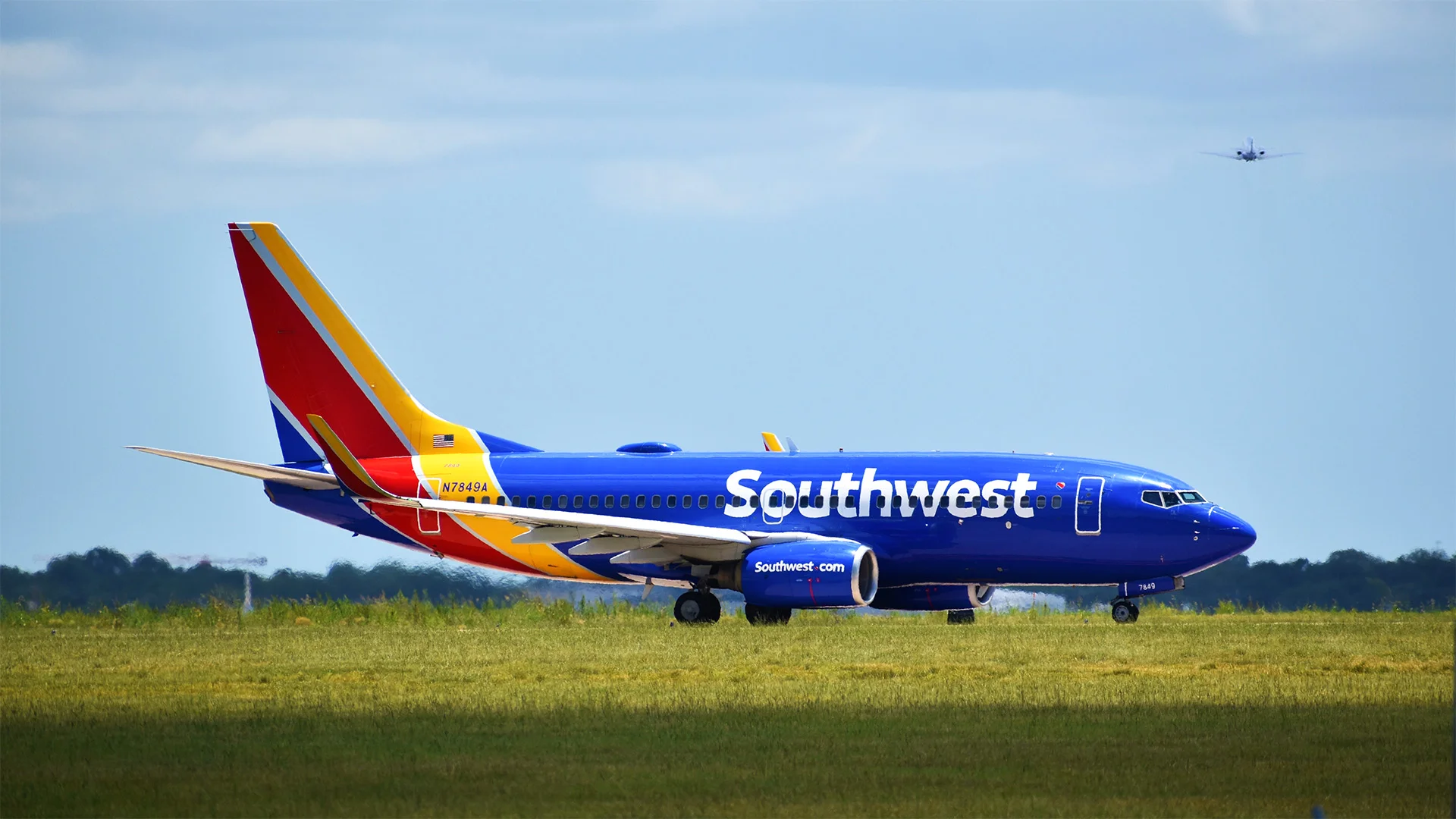
Southwest Airlines announced its historic pivot into premium airport lounges through a partnership with Chase, tying future access to an exclusive high-fee credit card.
Source image: inc.com
inc.comA Paradigm Shift for a Low-Cost Pioneer
In a historic strategic pivot that reshapes its nearly six-decade identity, Southwest Airlines has officially announced plans to construct and operate its first-ever network of dedicated airport lounges. Known historically for pioneering low-cost, no-frills air travel with open seating and standardized gate experiences, the carrier is aggressively chasing high-spending business and leisure travelers. The announcement underscores a broader corporate transformation aimed at capturing higher-yield demographics who increasingly demand upscale terminal amenities.
The initial phase of the rollout, slated to welcome guests in late 2027, targets four high-demand metropolitan airports: Austin-Bergstrom International Airport (AUS), Baltimore/Washington International Thurgood Marshall Airport (BWI), Daniel K. Inouye International Airport in Honolulu (HNL), and Nashville International Airport (BNA). Furthermore, corporate leadership has confirmed that at least seven additional locations are already in the pipeline, mapping out a multi-year infrastructure expansion across key domestic hubs.
The JPMorgan Chase Partnership and Architectural Synergy
To execute this capital-intensive transition, Southwest is leaning heavily on its entrenched 30-year co-branding relationship with financial titan JPMorgan Chase. The lounges will explicitly leverage the operational blueprint and design success of the elite Chase Sapphire Reserve Lounge Network. By merging Chase's expertise in high-end hospitality infrastructure with Southwest's trademark customer service ethos, the airline intends to deliver sophisticated spaces featuring locally inspired dining, premium beverage programs, and high-end workstation amenities.
For Chase, this collaboration deepens a lucrative credit card ecosystem, while for Southwest, it represents an essential structural upgrade. Modern airline profitability heavily relies on ancillary revenue and co-branded card spending rather than pure ticket sales alone. Premium lounges serve as the ultimate psychological and financial anchor to lock frequent flyers into a proprietary ecosystem.
The Major Catch: Premium Plastic Required
Despite the excitement surrounding the brand's upscale evolution, the initiative introduces a significant friction point for loyal customers: access will not be available through standard frequent-flyer status or day passes. Southwest has confirmed that entry to the lounge network will be strictly gated behind a brand-new, premium Southwest Rapid Rewards credit card issued by Chase, slated to launch alongside the lounges in 2027.
While executives have remained tight-lipped regarding the exact annual fee for the upcoming card, market analysts anticipate a steep price tag comparable to other luxury travel cards on the market, which routinely exceed hundreds of dollars annually. This requirement effectively segregates Southwest's customer base, alienating budget-conscious travelers who built the airline's legacy while courting affluent consumers who historically gravitated toward legacy carriers like Delta, United, and American.
Market Implications and What Investors Should Watch
The strategic shift has been largely welcomed by Wall Street, reflecting a maturation of Southwest's business model as it faces mounting pressure from activist investors and rising operational costs. By diversifying revenue streams beyond standard seat inventory, Southwest is positioning itself to capture a larger share of high-margin corporate travel dollars.
Investors and market observers should monitor several critical metrics moving forward:
- Card Adoption Rates: The velocity at which Chase signs up cardholders for the new tier will dictate the immediate financial success and perceived value of the lounge network.
- Construction Timelines: Given ongoing supply chain complexities and airport real estate constraints, adhering to the late 2027 launch window is crucial for maintaining market momentum.
- Competitor Response: How legacy carriers adjust their own loyalty programs and lounge capacity in response to Southwest’s encroachment into premium territory.
- Customer Retention: Analyzing whether legacy budget travelers push back against the increasing stratification of the Southwest brand experience.
Ultimately, Southwest's entry into the lounge arena marks the end of an era for low-cost aviation norms. As the airline prepares for 2027, its ability to successfully balance its historic populist appeal with high-end luxury execution will define its valuation and market dominance for the next decade.
Continue reading
Related coverage in Business
nytimes.com
David Ellison Targets CNN Leadership Continuity in Paramount Merger Talks
David Ellison is currently negotiating to retain CNN CEO Mark Thompson without oversight from CBS editor in chief Bari Weiss as parent companies navigate merger plans.
2 min read
bbc.com
Decoding Nike’s Slump: How Strategic Missteps Cost the Sportswear Titan Its Edge
Explore the factors behind Nike's dramatic market decline. Industry analysts dissect the self-inflicted strategic errors that shook the sportswear giant.
3 min read
bbc.com
Treasury Committee Directs HMRC to Investigate Tax Implications of Manchester City Case
The UK Treasury Committee has called on HMRC to closely examine potential tax ramifications arising from the high-profile Manchester City legal verdict.
3 min read
nytimes.com
US Imposes Sanctions on Russian Firm A7 Over Global Shell Company Evasion Schemes
The United States targets Russian financial firm A7 with new sanctions following reports of utilizing global shell companies to bypass existing economic restrictions.
3 min read